
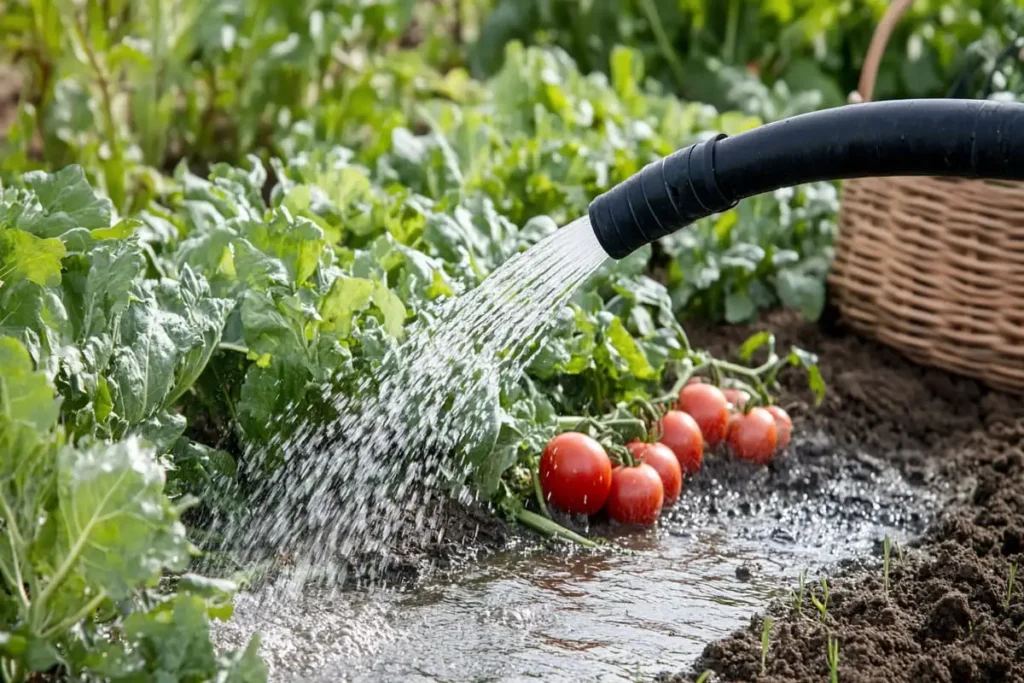
Should I water my vegetable garden every day? Most gardens won’t require daily watering, but there are many factors that can change that, such as the climate, types of plants, types of soil, sunlight exposure and so on.
Rather than following a calendar, you should just check the soil daily and decide after. In most cases, you won’t have to do it daily.
From many points of view, deep watering a few times a week might be better than daily sprinkling. As for the type of plants, it’s worth noting that seedlings, containers, raised beds or plants in hot climates may require more frequent watering sessions.
All in all, here’s everything you need to know about the frequency of watering and whether you should do it daily or not.
Should You Water a Vegetable Garden Every Day?
How often to water vegetable garden depends on the soil. You can check daily, but you may not have to water daily. Deep watering is better because it reaches the roots. Light sprinkling will usually cover the top surface only.
Therefore, a fixed schedule or daily watering could suffocate and cause plants to drown or rot. Of course, daily watering isn’t a bad idea in a hot and dry climate. It’s just not the case for the majority of established gardens.
So, should I water my vegetable garden every day? What works for some gardens won’t work for every garden, hence the necessity of a customized, flexible plan.
How Often Should You Water a Vegetable Garden?
How often to water vegetable garden depends on climate, rainfall, temperature, wind conditions, types of plants, their maturity and how deep their roots are.
Here are some general rules to help you decide, yet you’ll still require a customized approach.
| Garden condition | Starting point |
|---|---|
| Established in-ground garden | One to three deep watering sessions weekly |
| Sandy or fast-draining soil | Small, frequent sessions |
| Clay or moisture-retentive soil | Less frequent sessions |
| Raised beds | Check the soil more often than in-ground beds. |
| Containers and grow bags | Daily or almost daily watering in warm weather |
| Seedlings and new transplants | Consistent moisture, so increased frequency |
| Rainy or cool weather | Little to no watering |
While these are the starting points, you’ll obviously need to adjust everything based on your unique circumstances.
How to Tell Whether Your Garden Needs Water Today
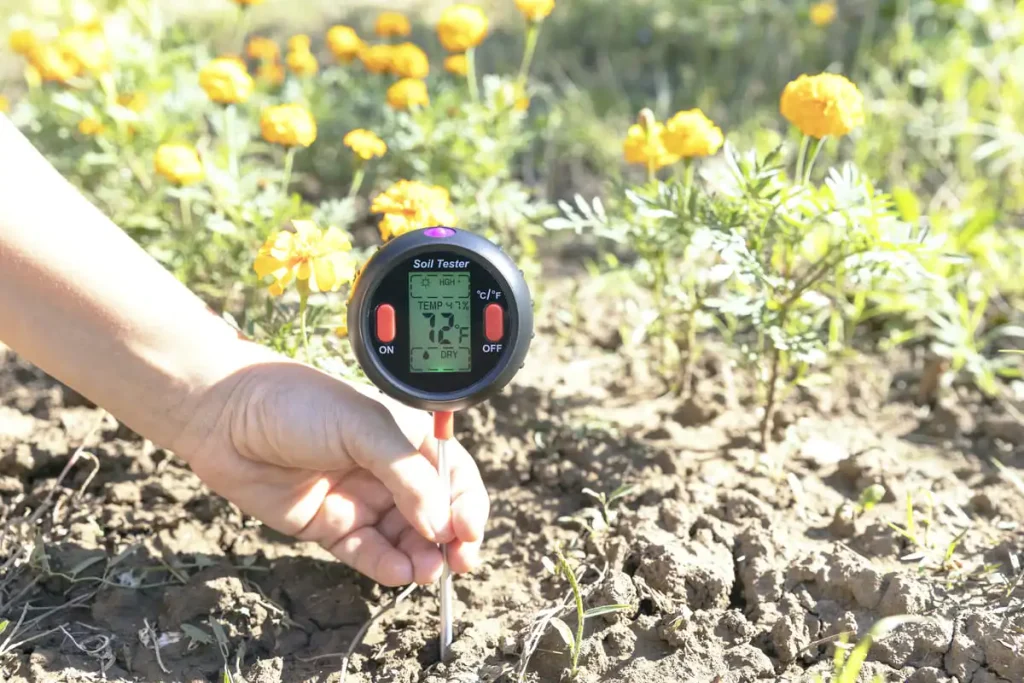
Should I water my vegetable garden every day? One thing at a time. How about today? First, it’s pretty obvious that if you had rain for a long time today, you don’t need to water. Second, here are some useful tests.
Check the soil two inches below the surface
Try the finger test. Stick the finger past the first dry layer and reach the second knuckle. Mulch doesn’t count. If it’s dry, you need to water it. If it feels cool and damp, it has enough water.
Check how deeply the water penetrated
Don’t just water each section of your garden for a few seconds or until it looks wet and dark. Instead, you need to know how deep the water goes. Dig a narrow hole to test and make sure that water goes at least a couple of inches into the ground.
Do not rely only on wilting
Wilting is normal as the result of stress caused by heat. It’s normal, even if the soil is wet. Wilting isn’t a reason to start watering, but a reason to run a soil check.
However, if you see wilting in the morning and your soil is usually dry, you do need to water your plants straight away.
When Daily Watering May Be Necessary
So, how much water does a vegetable garden need? When do you need to water daily? Here are the main rules to remember here.
Seeds and seedlings
Young roots can’t go too deep into the ground, so you’ll need to keep the upper layer of soil wet more often than usual.
New transplants
Newly transplanted plants have weak roots, so they require more frequent watering until they settle into the ground.
Containers and grow bags
Containers and grow bags don’t have much volume, so they dry fast. Some of them could do with daily watering, especially in hot or windy weather. Containers can be safely watered until water starts draining out.
Raised Beds
Raised beds lose moisture quicker than in-ground beds. Decide based on how deep they are, what kind of soil yoy have, weather and plants.
Extreme heat and sandy soil
Believe it or not, roots in sandy soil can dry and die in less than a day, especially in hot, dry and windy weather. Watering vegetable garden in hot weather should still be based on a few tests, rather than the weather conditions.
How Much Water Does a Vegetable Garden Need?
As a general starting point, an inch of total water per week is great guidance. That includes rainfall too. Again, it’s not a universal rule. Heat, sandy soil, fast-draining soil and large plants may require more. On the other hand, cool weather, heavy soil and rainfall could reduce this requirement.
To measure, get a small container or rain gauge in your garden while you water. When the collected water reaches the optimal depth, you can stop. Run a quick check to ensure that the moisture has reached the root zone, though.
Deep Watering vs a Small Amount Every Day
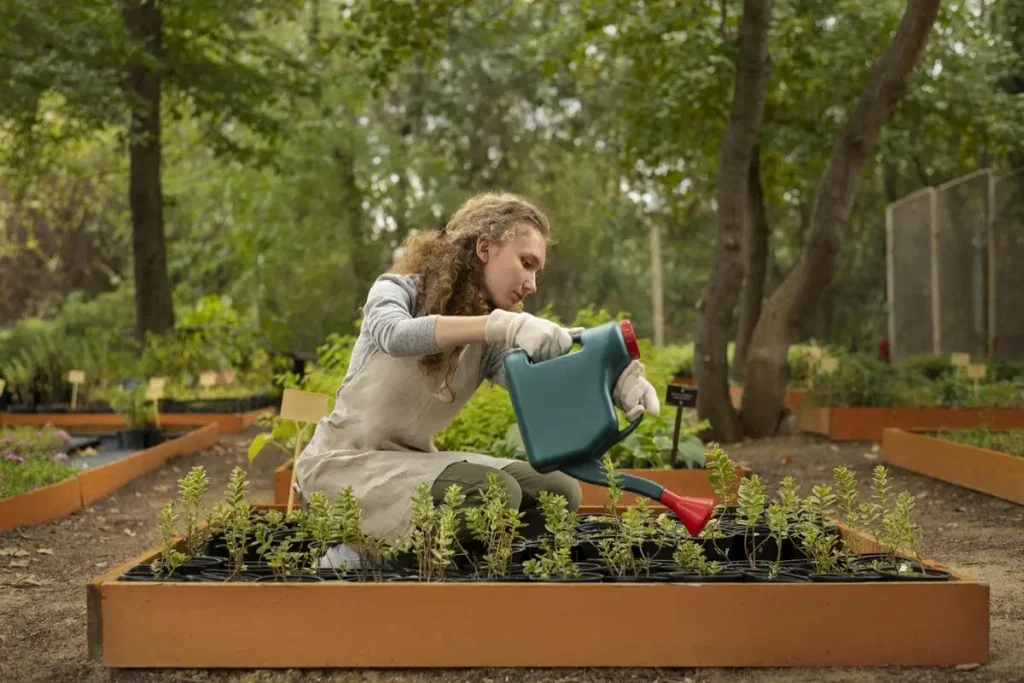
How you water your plants is sometimes even more important than how often you do it. Most importantly, deep watering reaches the root zone, which is vital for your plants. Small amounts are less likely to go so deep. Occasional sprinkling does have its benefits too. Here’s an easy comparison table.
Deep watering must be done steadily to avoid flooding the soil. The goal is to penetrate all the way to the root system, not to have your plants swim in water.
What Is the Best Time to Water a Vegetable Garden?
For most plants, the best time to water vegetable garden is in the morning. If not possible, do it early in the evening. If your plants require urgent watering in the middle of the day, go for it.
Morning watering is recommended due to lower evaporation. Besides, plants get a nice reserve of water and can prepare for the daytime heat.
Watering at night won’t hurt your plants, though it’s important to focus on watering the soil rather than the foliage. Leaving the foliage wet overnight could stimulate fungal disease.
Signs of Overwatering and Underwatering
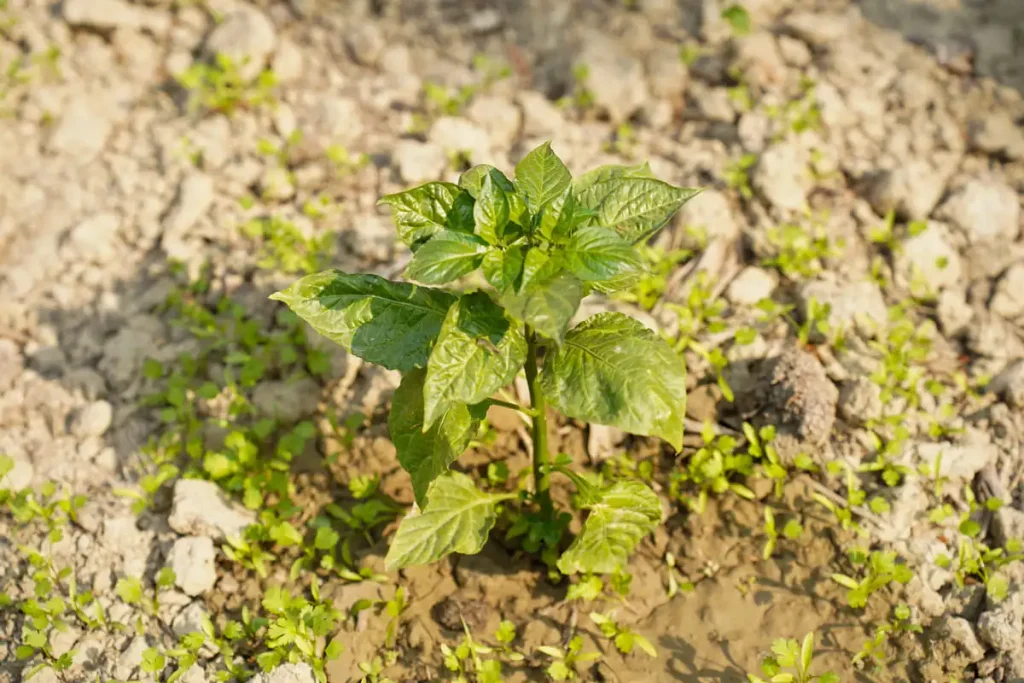
Too much or too little water may have similar effects, such as yellowing leaves or wilting. To figure out the cause, you’ll need to inspect the soil first.
Watering plants inconsistently can affect the taste of your veggies. Cucumbers can be bitter. Tomatoes may crack. Your blossoms could drop, let alone the poor or nonexistent fruit development.
On the same note, such problems aren’t always caused by water, so you may need to research the reason behind your problems before starting to water your garden excessively.
How to Water Less Frequently Without Stressing Your Plants
Mulch helps the soil retain moisture while reducing evaporation. Move it aside when testing the soil and don’t count it as a layer.
Finished compost and quality soil will also improve your existing soil. A soaker hose or drip irrigation works well for plants that require constant moisture.
Keep an eye on your garden and remove weeds straight away. They compete for both water and nutrients. Also, it’s much better to group plants with similar water requirements together.
When you water, do it slowly, so the water has time to penetrate the soil. Always check the soil to avoid overwatering and, if you can, offer some temporary shade to your plants during heatwaves or extreme heat.
Bottom line, should I water my vegetable garden every day? It depends, but one thing’s for sure. There are no general rules regarding watering. There’s one golden rule to remember though. Check the soil daily, but water only if your soil needs it.
Other than that, remember that established gardens and veggies gain more benefits from deep watering a few times a week, while seeds and seedlings are more likely to require daily surface watering. Not sure? Always check your soil first.
FAQs
No. Check the soil daily, but only focus on the root zone. When it starts drying, start watering. Raised beds, sandy soil, seedlings and containers may require more frequent (and even daily) watering.
How many times per week should I water vegetables?
Established gardening can usually do with up to three deep watering sessions on a weekly basis, assuming there are no extreme weather conditions, such as heatwaves, storms or unusual winds. The soil, plant types and crop maturity can also help you decide.
Should I water after it rains?
It depends. If it barely rains for 10 minutes, you may still have to. If it rains for five hours, your garden is probably alright. Always run a soil test with your finger if you’re not sure, or just use a rain gauge.
Do raised vegetable beds need water every day?
While raised beds require more frequent watering than in-ground beds, daily watering sessions aren’t always mandatory, unless the weather is extremely hot or windy. A deep bed with lots of compost and mulch at the top can be pretty good at retaining moisture.
Can you overwater a vegetable garden?
Absolutely. Too much water can kill the plant. First signs include wilting and yellow leaves. With time, you’ll hinder growth, stimulate fungal problems and even cause the roots to rot.