
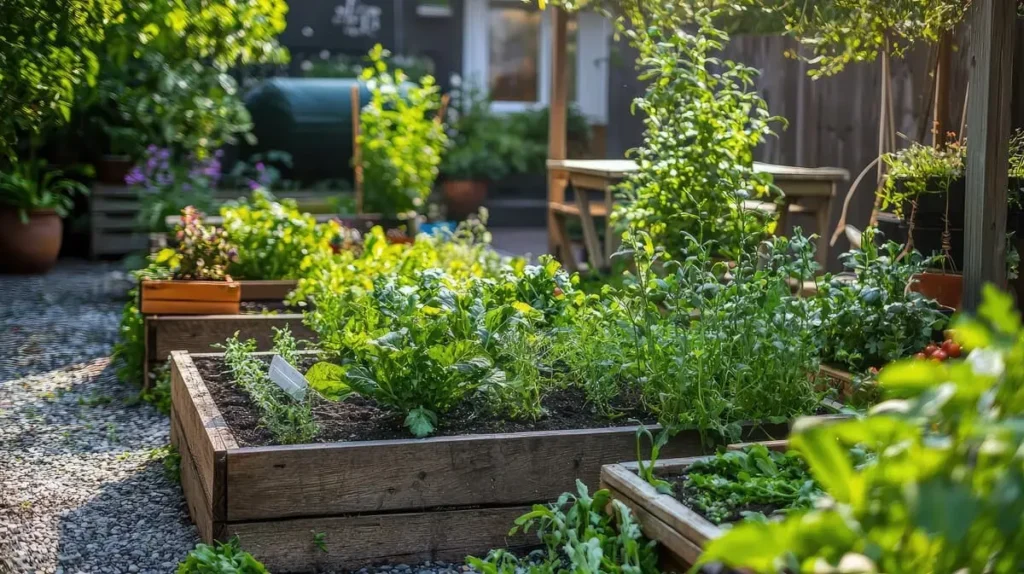
Can you use garden soil in raised beds? Yes, but not on its own. Garden soil compacts once it’s been watered a few times, which blocks drainage and air for roots. Mix it with finished compost and a texture material like perlite or pine fines, and it works well. This guide covers the mix, how much soil you need, and how to fix a bed that’s already filled.
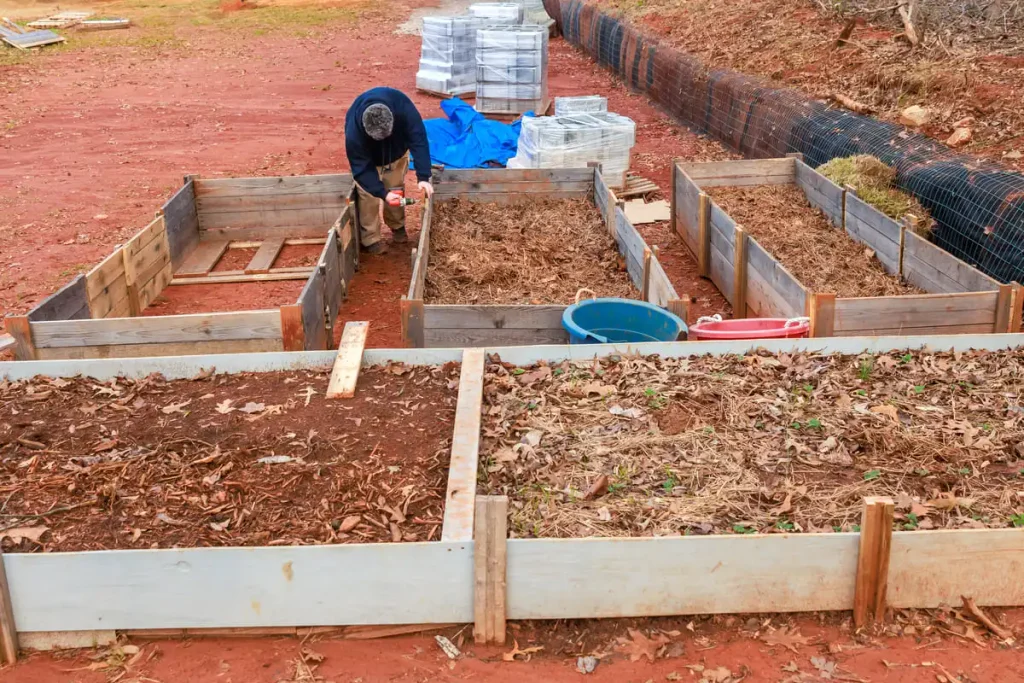
Can You Use Garden Soil in Raised Beds?
So, can you use garden soil in raised beds? Yes, but not on its own. There are a few “buts” here. Simple garden soil is mainly used for general grass or as a base for something else. Once it gets watered a few times, it tends to become more compact. Soil compaction will prevent drainage and aeration.
On the same note, how you’re creating the raised beds will also determine what kind of soil you need. If you only have the borders, but you prefer an open bottom, roots can move into the ground, so that’s alright.
If the bed is created like a sealed pot, you may have a problem.
Pure garden soil could be useful for many plants, but you’ll need to make sure that it doesn’t have clay in its composition. It must be clean and purchased from a reputable provider to ensure good baseline quality.
That also means you shouldn’t mix in urban soil, which is often contaminated, or random compost that could carry herbicide residue.
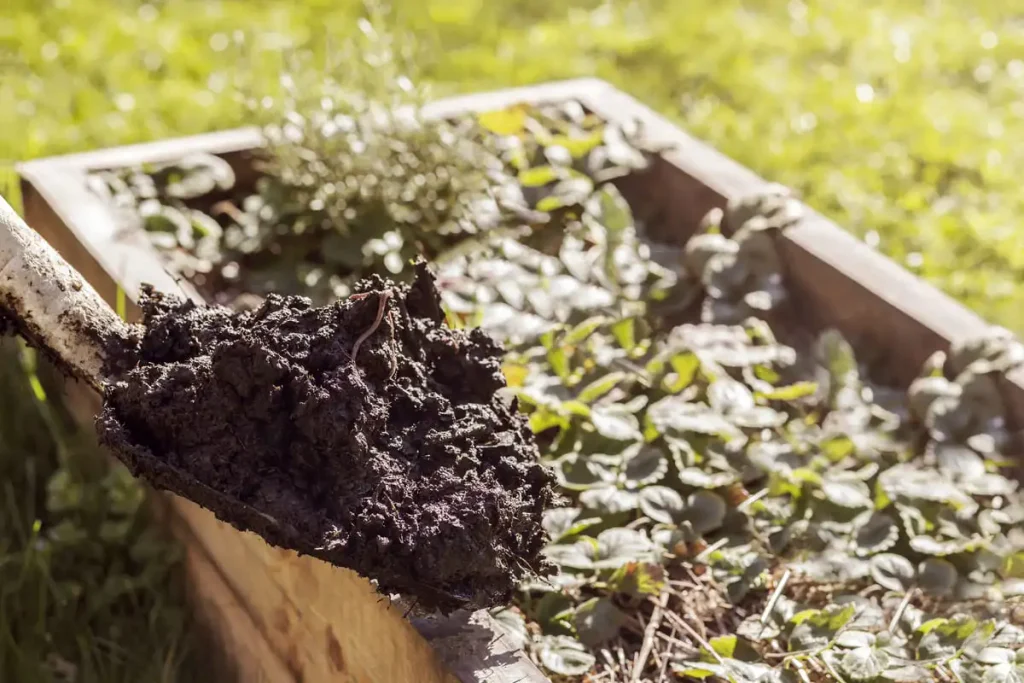
Garden Soil Vs. Topsoil Vs. Potting Mix Vs. Raised-Bed Soil
Here’s a brief comparison of the main types of soil used in raised beds and gardens. For a deeper look at how these differ, see our potting soil vs garden soil guide.
| Material | What it contributes | Main limitation | Best use in a raised bed |
|---|---|---|---|
| Native or garden soil | Mineral structure and affordable bulk | Texture and cleanliness vary | Tested component of a blend |
| Screened topsoil | Mineral structure and volume | May contain little organic matter | Base ingredient mixed with compost |
| Finished compost | Organic matter, soil biology, and nutrients | Settles and may create nutrient excess when overused | Approximately 25–50% of the mix, depending on the other ingredients |
| Potting mix | Aeration and moisture retention | Expensive and often too light for a full raised bed | Partial ingredient, especially in smaller or elevated beds |
| Raised-bed mix | Ready-to-use convenience | More expensive and formulations vary | Small beds or gardeners prioritizing convenience |
As you can see, each type of soil has its own main uses and characteristics. Unfortunately, some brands will try to make poor-quality soil look perfect. They’ll promise you the world on the labels and packaging. Besides, you’ll also find types of soil sold as other types of soil.
It’s not a fully regulated industry, so there’s plenty of room for false advertising. What you need to do is go through the ingredients and use your training to determine whether you have the right type of soil or there’s a marketing gimmick designed to sell cheap filler.
What Is the Best Soil for Raised Garden Beds?
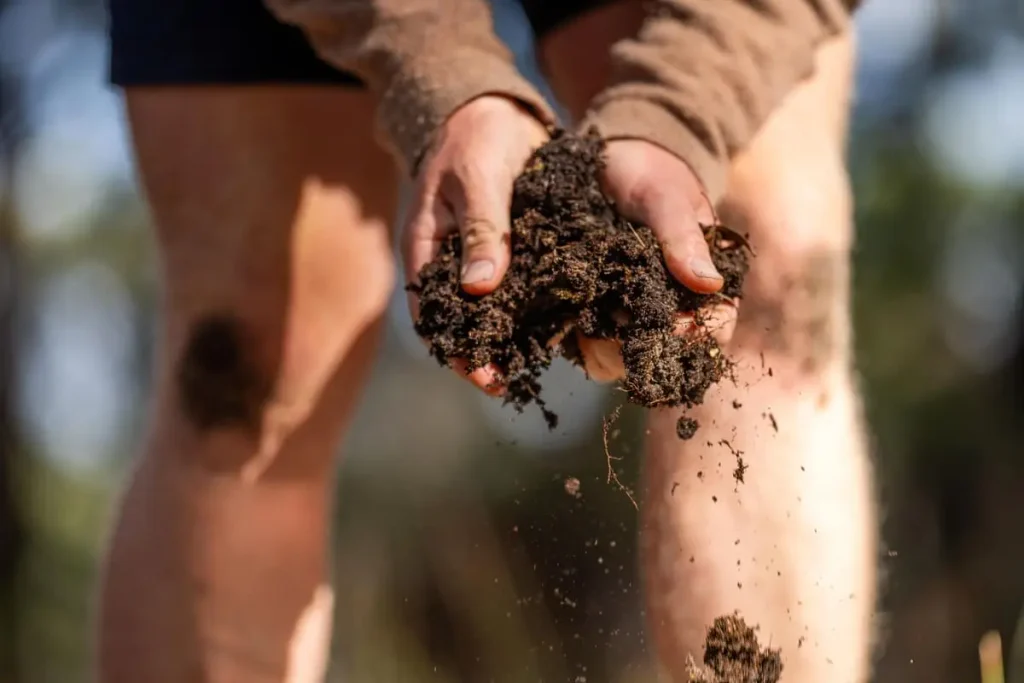
So, can you use garden soil in raised beds? Yes, but only in a mix, and you’ll have to check what comes in the bag. Unfortunately, many types of soil come in bags, so you can’t always check the texture before buying. Here’s what the ideal soil for raised beds should look and feel like:
- Loose and easy to break into small bits.
- Crumbly when you touch a big chunk.
- Rich in nutrients or at least supportive.
- Able to retain moisture, yet have decent drainage.
Unfortunately, plain garden soil won’t check all these boxes. About 50% of all the soil should be clean topsoil or garden soil. This adds to the mineral composition. Around 30% of the soil must be finished compost. That’s what boosts nutrition and delivers essential beneficial microbes. The rest should consist of texture adjusting materials.
Texture adjusting materials keep the mix loose and improve aeration. Products like perlite, coarse vermiculite, pumice, coco coir or just pine fines are often used as extras to maintain permanent pore spaces.
So, how do you adjust the mix? It can be adjusted depending on your climate, crop type, current soil and other ingredients in the soil, hence the necessity of checking every label. Here are some brief rules to consider when you start your research.
- Wet soil based on clay requires less dense soil and extra materials to form pores.
- Sandy soil requires extra compost and organic matter to retain moisture.
- Dry or hot climates do well with compost, mulch or leaf mold.
- Deep perennial beds require extra mineral soil to avoid compactness.
How to Improve Garden Soil Already in a Raised Bed
So, can you use garden soil in raised beds? es, as long as it’s well mixed with compost and texture material. Don’t worry if your garden bed is already full. You don’t have to empty it, but improve it instead in place.
Keep an eye on rain ponds and see if they drain fast. After rain or watering, squeeze a handful of soil and observe it. If it forms a sticky, solid clod, it needs improvement. It should normally crumble lightly when nudged. Pay attention to your plants and roots, get a soil pH test and check for nutrients.
Add compost, soil or structural elements only if you need them. Occasional improvement will work, but don’t do it too often or you risk causing nutrient imbalances like phosphorus toxicity. If the bed works flawlessly, there’s no need for any extras.
How much soil do you need?
Enter your bed size to get the total volume, a 50/30/20 mix breakdown, and a bag count.
- Topsoil / garden soil 16.0 cu ft
- Finished compost 9.6 cu ft
- Texture material 6.4 cu ft
How Much Soil for a Raised Bed?
Now, how much soil for a raised bed? Here are a few formulas that can help you determine the right amount for a rectangular bed. When you measure, don’t just measure the wall, but use the internal bed sizes and subtract the current fill.
- Length x width x depth = cubic feet
- Cubic feet ÷ 27 = cubic yards
Here’s a soil calculator for raised beds if you have the depth in inches.
- Length in feet x width in feet x (depth in inches ÷ 12) = cubic feet
If you’re not sure about bags, use the following formula.
- Total cubic feet ÷ volume per bag = number of bags
Always get a bit extra, just in case. The buffer is what makes the difference sometimes.
| Bed size | Fill depth | Soil volume | Cubic yards |
| 2 × 4 ft | 12 in | 8 cu ft | 0.30 yd³ |
| 4 × 4 ft | 12 in | 16 cu ft | 0.59 yd³ |
| 4 × 8 ft | 6 in | 16 cu ft | 0.59 yd³ |
| 4 × 8 ft | 12 in | 32 cu ft | 1.19 yd³ |
| 4 × 8 ft | 18 in | 48 cu ft | 1.78 yd³ |
| 4 × 8 ft | 24 in | 64 cu ft | 2.37 yd³ |
Here’s a quick calculation example for a traditional garden bed measuring 4x8x1 feet.
- 32 cubic feet volume.
- At a 50/30/20 mix, you’ll need 16 cubic feet of topsoil, 9.6 cubic feet of compost and 6.4 cubic feet of texture materials.
- If a bag has 2 cubic feet, you’ll need 16 bags.
- Bulk amount goes to 1.19 cubic yards.
How to Fill a Deep Raised Bed Without Overspending
When comparing bulk soil vs bagged soil, the bulk option is more cost-effective, even if you have to pay for delivery. It’s suitable for large amounts, such as a cubic yard or more. If you have a deep bed, you don’t need premium soil throughout the whole bed.
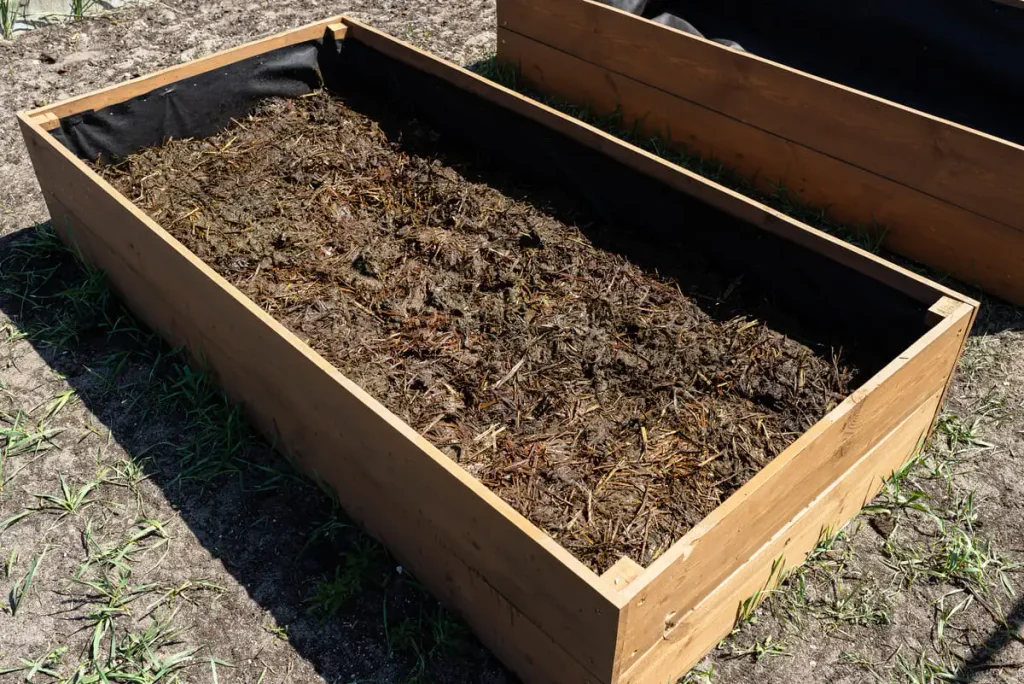
The bottom may have mulch from your garden, logs, branches or other organic materials from your garden, which will settle with time. However, wooden elements could affect nitrogen availability, but that’s not a permanent issue. Make sure the fill is organic though.
Maintaining Raised-Bed Soil
Organic soil settles naturally as materials decompose. Once you have the perfect soil composition, top it with compost. As it may drop with time, you can always top up with compatible soil, rather than just compost. Can you use garden soil in raised beds year after year? Yes, as long as you keep topping it up with compost.
Feel free to use mulch for maintenance too, not just for filling. It clears weeds and erosion, but it also regulates moisture and temperature during extreme weather swings.
No matter what you apply, always check the pH and nutrients first. Most veggies, for example, need pH 6.2-6.8, yet you should check upfront with a dedicated soil meter.
Common Raised-Bed Soil Mistakes
Here’s a list of common mistakes.
- Using dense soil exclusively.
- Assuming all types of soil have the same ingredients.
- Using expensive potting mix exclusively.
- Adding extras without identifying the problem.
- Using contaminated or unknown manure or compost.
- Measuring external sizes or failing conversions between feet and inches.
- Fertilizing automatically instead of testing first.
- Ignoring contamination when growing food.
- Forgetting how organic soil settles.
Frequently Asked Questions
Yes, but not on its own. Mix clean garden soil with finished compost and a texture material like perlite or pine fines.
What is the best soil for raised garden beds?
Replace the answer with: “A mix of about 50% clean garden soil or topsoil, 30% finished compost and 20% texture material like perlite or pine fines.
How much soil for a raised bed?
Measure your bed and apply the general formula, length x width x depth = cubic feet. Divide the result by volume per bag to figure out how many bags you need.
Can I fill a raised bed with only compost?
Compost has a dense, moisture-heavy structure and will most likely settle and prevent nutrients, salt and water from circulating. A durable mineral structure mixed with soil is much better.
Is garden soil or potting soil better for raised beds?
Neither on its own. Garden soil compacts, and potting soil is expensive and too light for a full bed. Mix garden soil with compost and texture material, and use potting mix as a partial ingredient in small beds.
How often should raised-bed soil be replaced?
Replacement isn’t really needed, unless you deal with contamination, disease or other problems that can’t be fixed otherwise. Instead, most gardeners refresh the soil, rather than replace it entirely.