
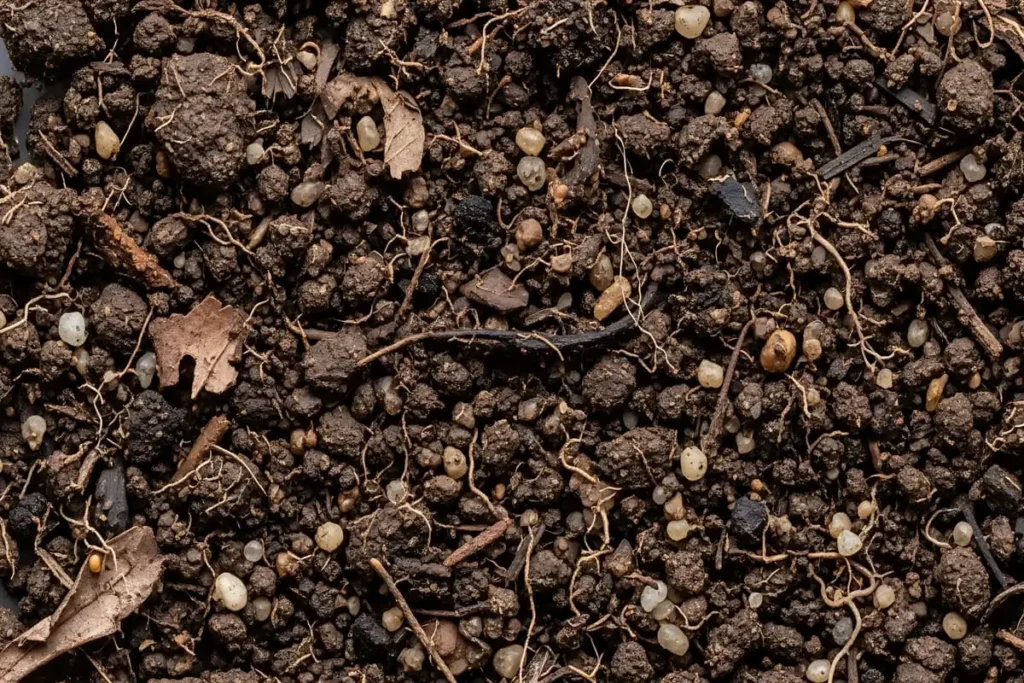
Potting soil vs garden soil comes down to where the plant lives. Potting soil is light, drains fast and is made for pots and containers. Garden soil is heavier, contains real topsoil and is made for beds and in-ground planting. Use the wrong one and your plants will struggle.
Get to the nearest garden center, and you’ll find loads of different types of soil. All sorts of labels and names, each with its own ingredients. They may look like they’re all the same, but they’re not. Therefore, price isn’t the only thing to pay attention to.
Learning to compare potting soil vs garden soil, checking ingredients and understanding how each type of soil works could make the difference between thriving and dying plants. That being said, this article will clear everything up and help you understand how gardeners choose and use the right soil for every specific growing environment.
Potting Soil vs Garden Soil vs Topsoil vs Potting Mix at a Glance
| Product | Contains real dirt | Weight | Drainage | Sterile | Nutrients | Best use | Typical cost |
|---|---|---|---|---|---|---|---|
| Topsoil | Yes | Heavy | Slow | No | Low, varies by source | Lawns, filling holes, base layers | Cheap |
| Garden soil | Yes | Heavy | Slow to moderate | No | Moderate, from added compost | In-ground beds, raised beds (mixed with compost) | Mid-priced |
| Potting soil | Usually no | Light to medium | Fast | Usually | Low, some added fertilizer | Large containers | More expensive |
| Potting mix | No | Light | Fast | Usually | Low, some added fertilizer | Pots, houseplants, seed starting | More expensive |
As you can see, the real split is weight and drainage. The two container products are light and drain fast, while the two ground products are heavy and hold water.
Is Topsoil the Same as Garden Soil?
Topsoil, garden soil and other types of soil, that’s what you’ll find in gardening stores. But then, is topsoil the same as garden soil? They’re often used interchangeably and sold with misleading packaging, but there are quite a few differences.
Topsoil is basically soil. Dirt. Nothing else. It makes a good option if you need a cheap base for a raised bed, for example. However, it’s not suitable for long-term use by itself because it lacks balanced aeration and active organic life.
On the other hand, garden soil is a mix of topsoil and other extras. It has a bit of manure, some compost too, maybe some bark as well. All these extra ingredients add to its fertility and help loosen dense particles.
If you need loads of soil for your garden, you could add topsoil as the base, then top it up with garden soil. Otherwise, garden soil by itself is a better idea.
What Is Garden Soil?
Garden soil is a mix of general soil (just plain dirt) and other ingredients. It’s plain soil enhanced with different ingredients for fertility, composition and long-term success for your plants.
Garden soil could be enhanced with live microbes, manure, bark and compost. Before adding any of that, it helps to test your garden soil first, since pH and nutrient levels decide how much you actually need to amend. It’s an excellent option due to its heavy profile. It can also retain moisture, but without becoming clogged when integrated into a natural open landscape.
Given its composition, garden soil works best in in-ground beds. In raised beds, mix it with compost, because on its own it can compact over time. We cover that in our guide on whether you can use garden soil in raised beds. A big garden may need quite a lot of soil, so you could use topsoil as a base and top it up with garden soil to keep overall project costs manageable.
What Is Potting Soil?
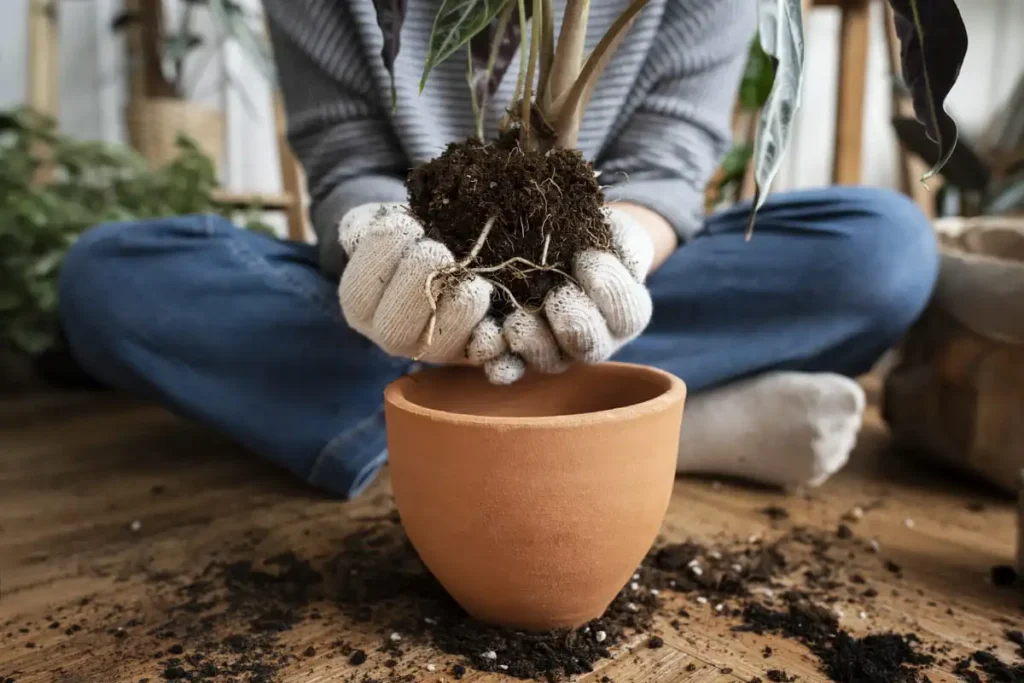
Potting soil is made for containers. Despite the name, most bagged potting soil contains little or no real dirt. It’s usually a blend of peat moss or coco coir, bark and perlite, often with some fertilizer added. Many brands use “potting soil” and “potting mix” for the same product.
Some cheaper bags labeled potting soil do include actual soil or sand, which makes them heavier and slower to drain. Check the ingredients list before you buy.
What Is Potting Mix?
Potting mix is a soilless blend. Instead of dirt, it’s a mix of ingredients that give roots air, drainage and moisture.
Potting mix is often based on vermiculite, perlite, coco coir and other similar ingredients. It’s light and drains fast. It’s ideal for pots and containers, so it’s a good choice for houseplants. It isn’t meant for filling garden beds, though. It’s too light, dries out fast and costs too much at that scale.
Can You Mix Potting Soil and Garden Soil?
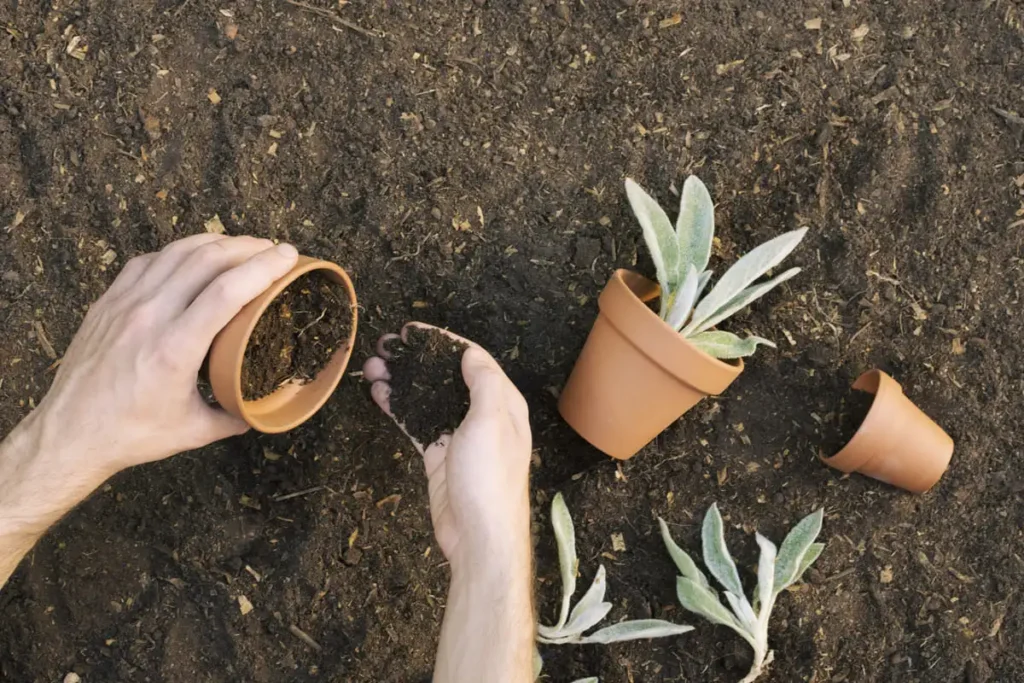
Can you mix potting soil and garden soil? Yes, but where you use the mix matters.
For houseplants and small pots, don’t. Potting soil on its own is what container plants need. Garden soil adds weight, slows drainage and can bring in weed seeds and pests.
For large outdoor containers, a blend can work. Keep potting soil as the main ingredient, around 70%, with no more than about 30% garden soil. The garden soil holds moisture longer, which helps big planters that dry out fast.
So potting soil vs garden soil isn’t always one or the other. Outdoors, in big containers, a mix can work. Indoors and in small pots, stick to potting soil or potting mix alone.
Why Garden Soil Compacts in Pots and What Actually Fixes Drainage
Garden soil could potentially kill plants in pots, as it tends to get heavy, dense and compact. It contains fine clay and silt particles that pack tight in a pot, so water struggles to drain.
Things change 180 degrees when used directly outdoors, in your garden. Soil organisms can aerate your soil, which isn’t an option when you use it in pots. After all, this type of ecosystem is impossible to obtain in a pot where earthworms and deep drainage channels are absent.
A few watering sessions will turn garden soil into mud. Roots can no longer get the oxygen they require, so your plants will fade away and die. Fixing drainage implies mixing it with a different type of soil or replacing it completely with a dedicated container medium.
Now, does adding sand help drainage in pots?
Adding fine sand, like play sand or builder’s sand, will make drainage even worse. It fills the gaps between particles and packs into a concrete-like mass over a few watering sessions. Coarse sharp sand (also known as horticultural sand) will, indeed, help, as it doesn’t get that compact.
Grit and perlite help too. Grit is heavy, so it adds stability along with drainage, which suits succulents and top-heavy plants. Perlite is very light and keeps air in the mix while holding a little moisture. Both work best mixed evenly through the soil, not layered at the bottom of the pot.
Should You Add Potting Soil to Your Garden Beds?
When setting up or maintaining a garden bed, you need to feed the soil. That’s your primary goal. From this point of view, adding potting soil isn’t necessarily the best idea because it’s mostly peat moss. It has little to no nutrients itself.
It won’t hurt your beds, and leftover potting soil from old containers can be worked in to loosen heavy ground. But it’s an expensive way to fill a bed, and it won’t feed your soil. Compost does that job better and helps plants thrive, regardless of what you want to plant.
Potting Soil vs Compost: What’s the Difference?
Compost is decomposed organic matter, like kitchen scraps and leaves. It feeds soil, but it’s too dense and rich to grow in on its own, especially in pots. Potting soil is a ready-to-use growing medium that gives roots air and drainage. Mix compost into garden soil to feed beds. For containers, use potting soil, and add only a small amount of compost if you want extra nutrients.
Which One Should You Use?
Here’s a brief guide on what type of soil to use based on your needs, as well as small indications when undecided between potting soil vs garden soil.
- Potting mix for seed starting and houseplants or pots.
- Potting soil, or potting soil with up to 30% garden soil, for large outdoor containers.
- Garden soil mixed with compost, not garden soil alone, for raised beds.
- Garden soil for in-ground beds.
- Topsoil for base layers or to fill low spots.
FAQ
No. Garden soil is heavy and dense, and it should be mixed into native soil in open ground. Potting soil is light and fluffy, usually sterile, and made for containers, pots and houseplants.
Is topsoil the same as garden soil?
Topsoil is the natural outer layer of earth, so it’s basically dirt. It’s heavy and natural, but it’s based on sand, clay and silt. It’s great to fill holes, level lawns or even build a base for a bed. Garden soil is topsoil blended with organic matter such as compost, peat moss or aged bark, sometimes with added fertilizer.
What’s the difference between potting mix and garden soil?
Potting mix is a manufactured, soilless blend that’s usually sterile and lightweight. It’s ideal for pots and containers. Garden soil is based on topsoil and organic matter, and it’s made for outdoor beds.
What happens if you use the wrong one?
Garden soil compacts easily in pots, so water can’t drain and roots can’t get air. Houseplants in it often struggle and can die. Potting mix in garden beds is less risky but wasteful: it dries out quickly and costs far more than garden soil at that volume. Small amounts can be mixed into beds, as long as garden soil dominates the mix. That’s why it’s worth knowing the differences when you compare potting soil vs garden soil.