
Learning how to create a DIY home vegetable garden requires a bit of education, plenty of information about your climate, as well as thorough planning. While you can definitely plant some random veggies around your garden, in reality, things could go wrong without planning and leave you with a lot of wasted effort.
Some veggies may not grow in your climate. The soil could be wrong too. How about those that spread out of control? Keeping all these things under control requires a little research upfront.
With this thought in mind, let’s explore the steps to establishing the perfect vegetable garden that will yield a bountiful harvest year after year.
Pick the Right Location for Your Vegetable Garden
First things first. Where do your vegetables go? Choose a location that’s exposed to at least eight hours of direct sunlight daily. If you’re not sure, monitor your yard before starting by checking the shadow patterns at different times of the day.
Then, you’ll need to be close to a water source. Make sure there’s a rain barrel or an outdoor tap nearby. If you struggle, consider getting a long hose too. If manual watering isn’t realistic for your schedule, a smart sprinkler controller can handle it for you, and most last for years with minimal upkeep.
Finally, accessibility is just as important. You can’t step on your vegetables. Instead, get some paths around the garden. Give yourself at least a couple of feet between beds too, as you’ll need to move with tools and even a wheelbarrow at times without accidentally snapping any stems.
Decide on the Type of DIY Garden You Want
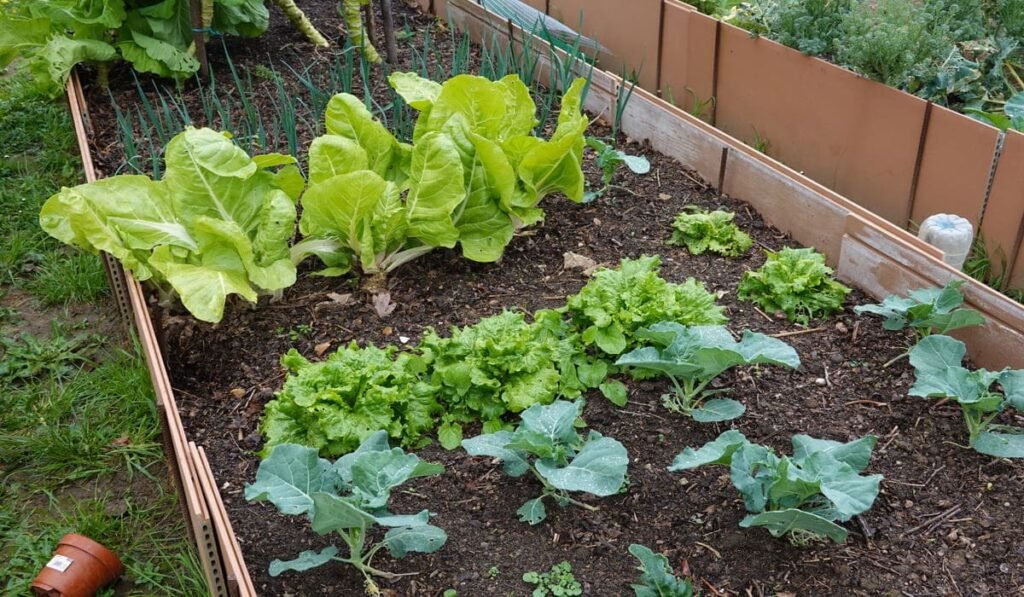
Learning how to create a DIY home vegetable garden also implies choosing what kind of garden you want. Some people go for raised beds. They’re convenient, since you don’t have to be on your knees all the time and they offer excellent protection against common ground pests.
You can build such a garden yourself. Get some wooden frames and nail them together. You can also buy metal troughs which add a stylish, industrial look to your yard. You can then fill them with whatever soil you want, so it’s convenient if your current soil isn’t great.
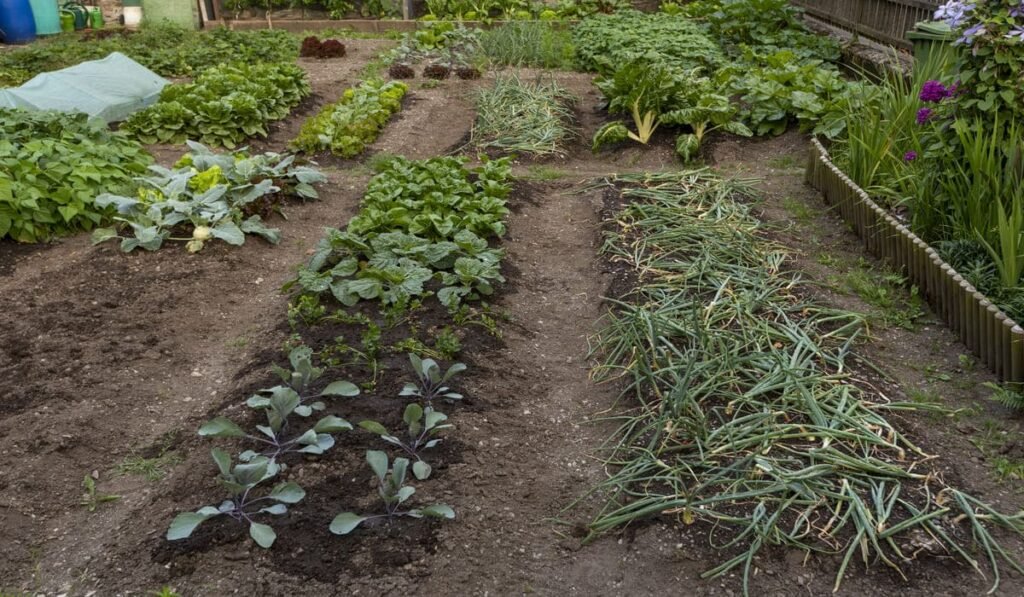
In-ground gardens are also common, but are suitable for large gardens that have plenty of good soil. You will need to do some weeding upfront.
Containers and pots are suitable for small spaces, as well as balconies. You can find them in all kinds of sizes too.
Get the Right Soil for Your Vegetable Garden
Depending on what you want to grow, you may have to change the soil or at least invest in the right soil upfront. Healthy soil is one of the most important considerations when learning how to create a DIY home vegetable garden.
For containers and raised beds, your best bet would be a mix of topsoil and organic compost which keeps the texture loose, fluffy, and rich. If you want an in-ground garden, test the pH of your soil first. You may have to bring in compost or rotted manure.
What Vegetables You Want to Grow
What you want to grow determines what kind of soil you need, how much space you require and so on.
If you’re new to vegetable gardens, it might be a good idea to avoid a massive project upfront. Sure, you could get a professional gardener to set it up for you. However, since you’re interested in doing everything yourself, you may want to start small.
From this point of view, you’ll find the cut-and-come-again crops to be the easiest ones. Get some herbs, maybe some radishes or even salad greens.
Think scalability too. No matter how big you want the garden to be, start small, but leave plenty of room for expansion. As you gain experience, you may also change your needs and want to experiment with more challenging varieties.
Other than that, choose between seeds and seedlings too. Seedlings are young starter plants. They’re easy to find in pretty much every garden center. You can find cucumbers, peppers and tomatoes, among many others.
Seeds require more work. You need a bit of experience too. If you’re up for them, start with plants that grow very well directly from seed, such as radishes and carrots.
The problem with seeds is that they may need to be planted in small pots, then maintained daily with fine watering and nutrients. You can usually move them to your garden once they turn into seedlings. Of course, some seeds can be planted directly in the garden.
Planting and Maintaining Your DIY Vegetable Garden
Finally, assuming you’ve got all these covered, it’s time to move to the actual planting part. This is when the exciting part starts.
Spacing is extremely important. You’re wrong if you think that overcrowding a garden will give you plenty of vegetables. Instead, plants will overlap each other, which could hinder their growth. Depending on the plants you choose, you’ll have to follow some spacing requirements.
If you choose seeds, you can usually find all the instructions on the packet. If you go for seedlings from a garden center, look up online or ask a salesperson for more information. Most people working in garden centers can give valuable advice.
Vertical growing is also a good idea for climbing plants, such as beans or peas. Water consistently at the base, add some organic mulch and keep an eye on the weeds.
Bottom line, figuring out how to create a DIY home vegetable garden is mostly about planning, which must be done with your needs and climate in mind.