
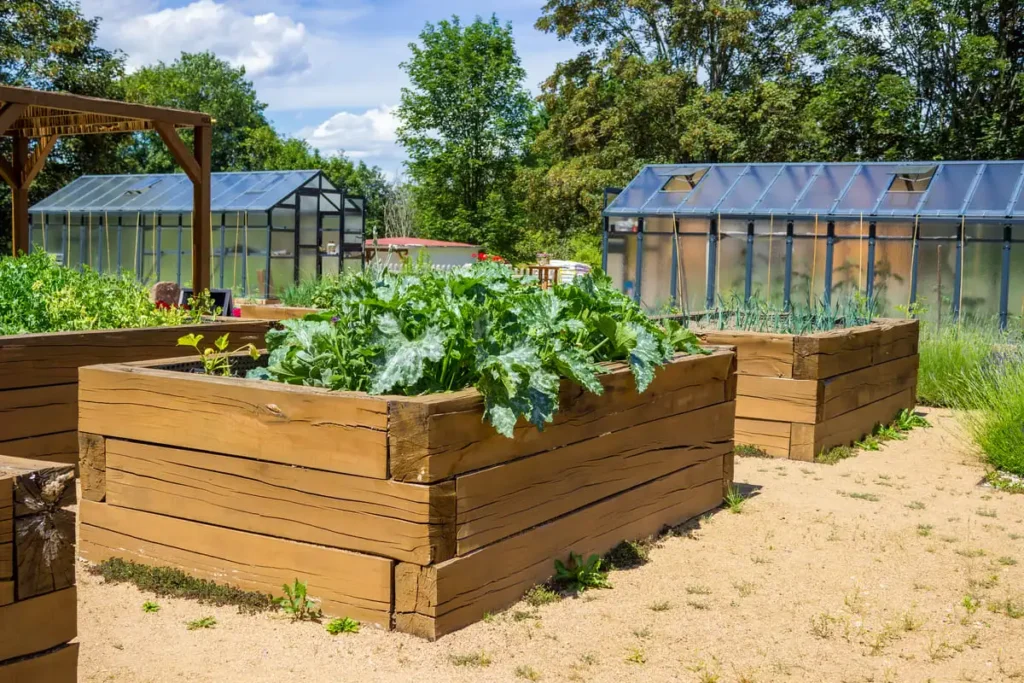
Looking at an empty patch of lawn could definitely trigger your imagination, but learning how to start a vegetable garden in your backyard can feel a bit challenging at first. Contrary to your expectations, you won’t need a massive garden, pricey raised beds, professional tools or gardening experience to produce fresh, organic food for your kitchen.
Instead, you need to follow a few basic steps and persevere. This guide will teach you how to pick the perfect place or how to prepare the place for veggies, among others practical growing tips.
How to Start a Vegetable Garden in Your Backyard
- Choose a sunny location.
- Decide on beds or containers.
- Start with a small area to manage.
- Test and prepare the soil.
- Remove weeds and unwanted turf.
- Choose easy veggies.
- Check local dates and times for plants.
- Leave room between plants for proper airflow.
- Water, mulch and protect everything.
- Harvest when needed.
1. Choose the Best Location in Your Backyard
The location can make or break a deal. Therefore, make sure you have plenty of sunlight or at least six hours a day of direct sun. Veggies like peppers, beans or tomatoes perform better when they’re exposed to sunlight. Leafy veggies can accept less sunlight such as partial shade. Either way, observe your potential location throughout the day.
Drainage is just as important, so make sure water can drain after rain without pooling around root zones. You may need to water the area or wait for rain to determine how quickly water drains.
Finally, make sure that there’s access to water.
2. Choose Between In-Ground Beds, Raised Beds and Containers
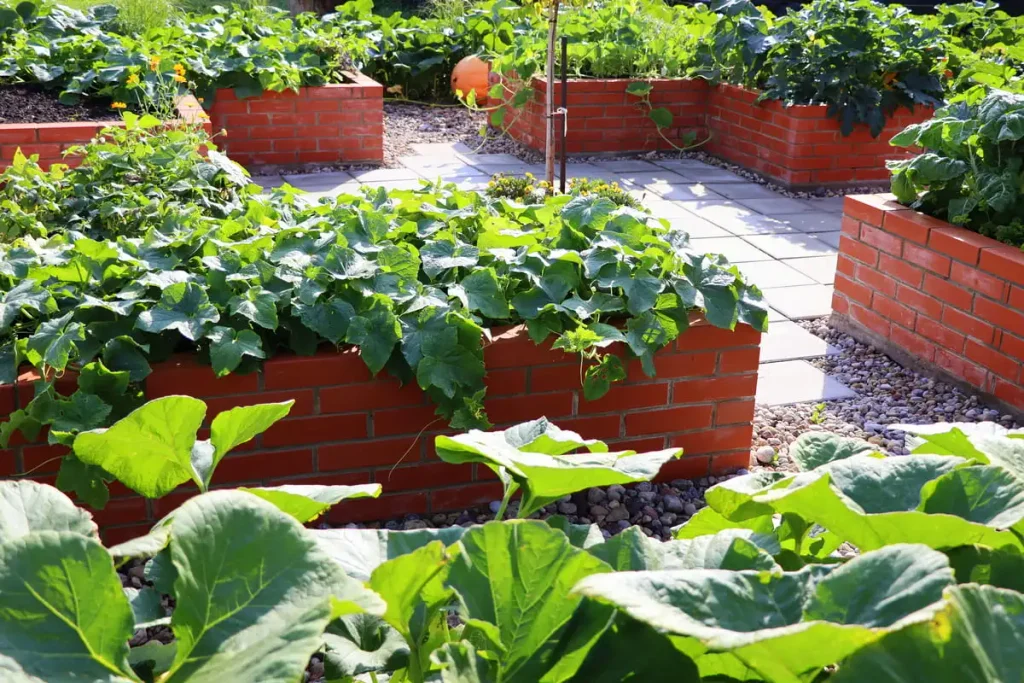
In-ground beds are cheap, flexible and easy to establish because they require less soil than other options. You’ll need to remove the grass and maybe work on the soil though. They’re great for those with extra usable soil on their hands.
Raised garden beds don’t require as much kneeling. They’re great when your garden soil drains poorly or feels too compacted. You have more control over what goes in. Plus, your plants are less likely to spread out of control. This option is more expensive though.
Finally, containers are suitable for small spaces and can be easily rearranged.
| Option | Cost | Soil control | Setup difficulty | Ideal use |
|---|---|---|---|---|
| In-ground beds | Middle option | Limited, but doable | Middle option | Large gardens, people with reusable soil |
| Raised beds | Most expensive option | Full control | More work, but easy maintenance | People with problematic soil |
| Containers | Cheapest option | Full control | Quick and easy | People with limited space or undecided people |
3. Start with a Small, Manageable Garden
When not sure how to start a vegetable garden in your backyard, do some trial and error with a small patch. Establish a basic bed of 4×8 feet to keep it simple, but you can also opt for two smaller beds if you plan on growing different categories of plants.
If you’re up for containers, a few large containers will do. If you’re new to gardening, you don’t know what it’s like to look after a big garden. And yes, there’s lots of work involved.
Weeding, watering, maintaining plants and winter care are just a few considerations. Besides, a well-maintained small garden will be more productive than a large, neglected alternative.
If you go for beds, make sure they’re narrow enough for you to reach any side (including the central part) without stepping on the soil.
4. Test the Soil and Prepare the Growing Area
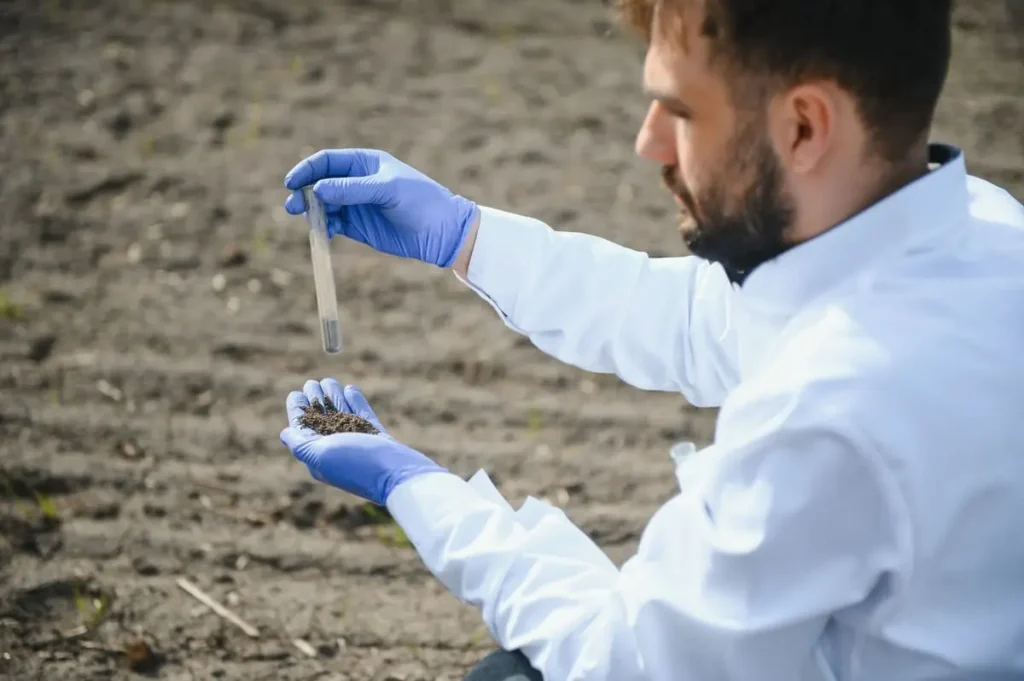
Test the soil for pH, nutrient issues, organic needs and potential risks before anything. You can run tests through a local lab or even a home testing kit yourself. If everything is alright, here are the steps to prepare the growing area.
- Remove the sod. Cut everything into small bits, then lift it with a wide shovel.
- Smother the grass. Just mow as short as you can, cover with cardboard, wet it and add mulch or compost. No staples, nails, tape or other things.
- Build the bed. You’ll have more soil control if you go for a raised bed. You still need to take care of the grass underneath.
Choose the soil or compost based on the test results. Different gardens have different needs and requirements to balance drainage and fertility.
5. Plan a Simple Garden Layout
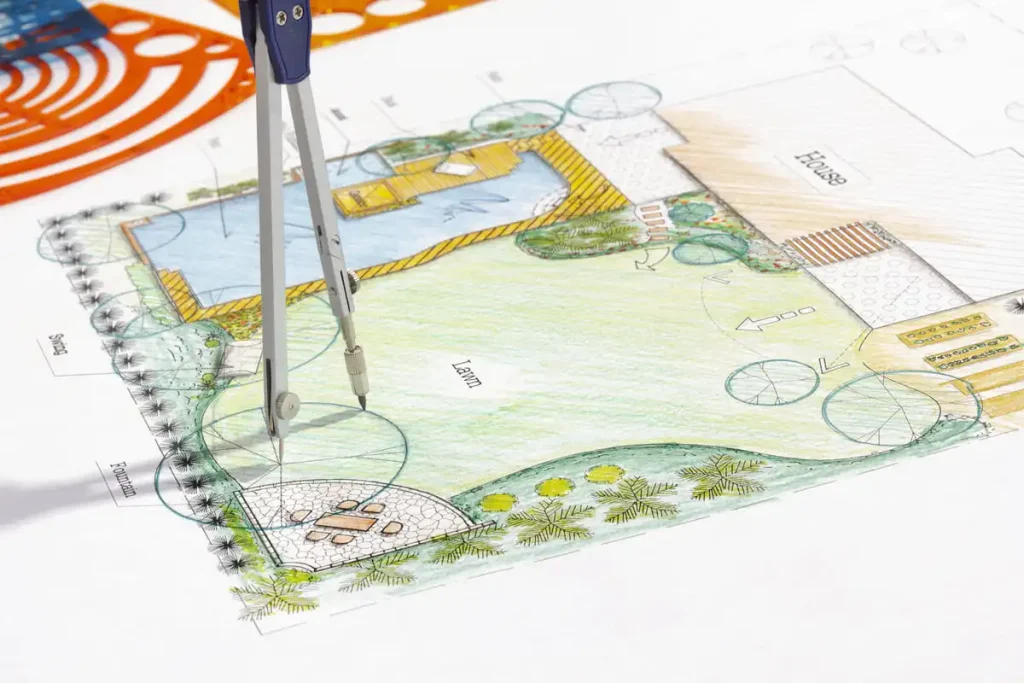
Grab a pen and piece of paper and sketch your garden before buying anything. Include the bed and its size, paths around it, water access, trellises, locations of different plants and fencing. If you have veggies in different sizes, make sure that the tall ones won’t shade the short ones when they grow.
Some veggies tend to spread, so make sure to give them plenty of space. For example, zucchini, pumpkins or cucumbers expand relatively fast. To keep everything under control, you may want to install stakes or cages. Do it in the beginning, during the planting step, not when it’s too late to avoid damaging established roots.
6. Choose Vegetables You’ll Actually Eat
When not sure how to start a vegetable garden in your backyard, plan your garden based on what you eat. Otherwise, your experience won’t feel too rewarding. Think about conditions, space and maintenance.
Good crops for inexperienced gardeners include lettuce, radishes, kale, cucumbers, peppers, bush beans and tomatoes, among others. Culinary herbs are easy and convenient too.
Some plants like pumpkins will require plenty of extra room when they grow, so take that in consideration. Start with about five crops and go from there to avoid feeling overwhelmed.
7. Check Frost Dates and Decide Between Seeds and Seedlings
The time of the year and hardiness zone can help when deciding, but you also need to think about local frost times and temperature. Check the average time for the final spring frost, seed instructions and time needed for crops to reach maturity.
Educate yourself about cool-season crops, like radishes, carrots, lettuce or spinach, which can be planted directly in early spring or autumn. Warm-season crops include beans, tomatoes and cucumbers. They usually need an early start.
Introduce seedlings grown indoors to outdoor elements before moving them permanently. It hardens them and gets them ready for outdoor soil conditions.
8. Plant with Proper Spacing
Overcrowding plants will encourage disease. Airflow will be reduced too, so they’ll die. Besides, harvesting will be a nightmare.
Small seedlings often grow a lot, so they need adequate space upfront. Water them as soon as you transfer them. Also, don’t plant in muddy soil or your seedlings could feel overwhelmed and suffer root rot.
9. Water, Mulch and Protect the Garden
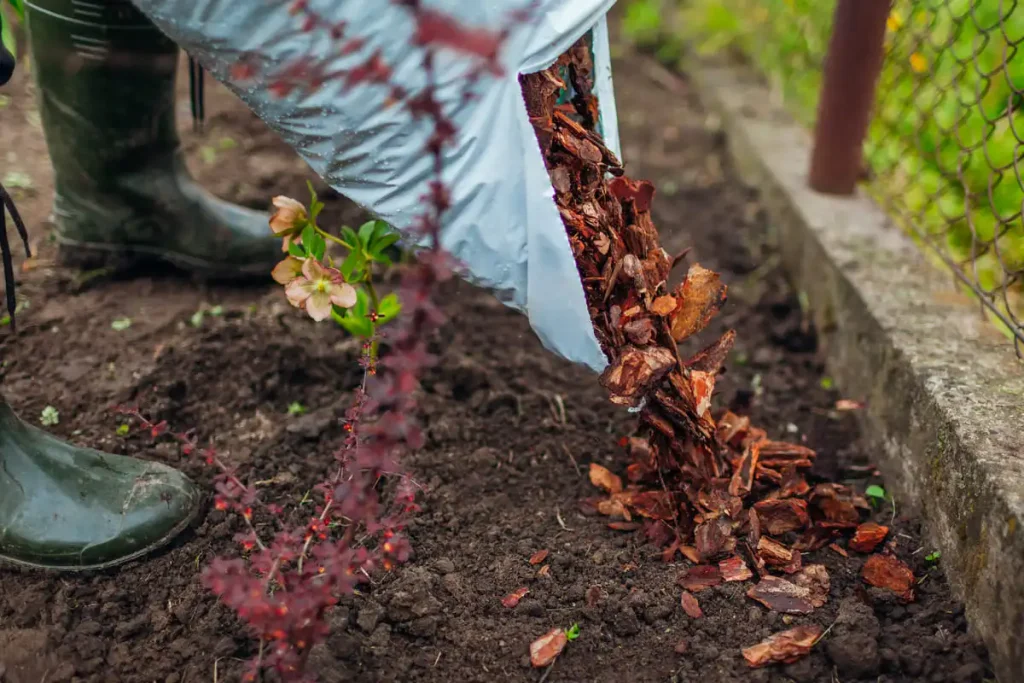
Your backyard vegetable garden needs consistent watering from the seed stage. Keep an eye on the soil and make sure it’s dry in the top inch before watering. Too much water is also problematic. Watering a vegetable garden is usually a morning job to reduce evaporation and mildew.
Vegetable gardening for beginners involves applying organic mulch around organic plants, not to mention removing weeds as soon as you spot them before they compete for nutrients.
Implement some backyard garden pest protection too. If you see any pests, identify them before seeking treatment. As for protection, consider netting, row covers and even fencing.
Apart from insects, you should pay attention to rabbits, squirrels and groundhogs too, which might be protected in your area.
Harvest Regularly and Learn from the First Season
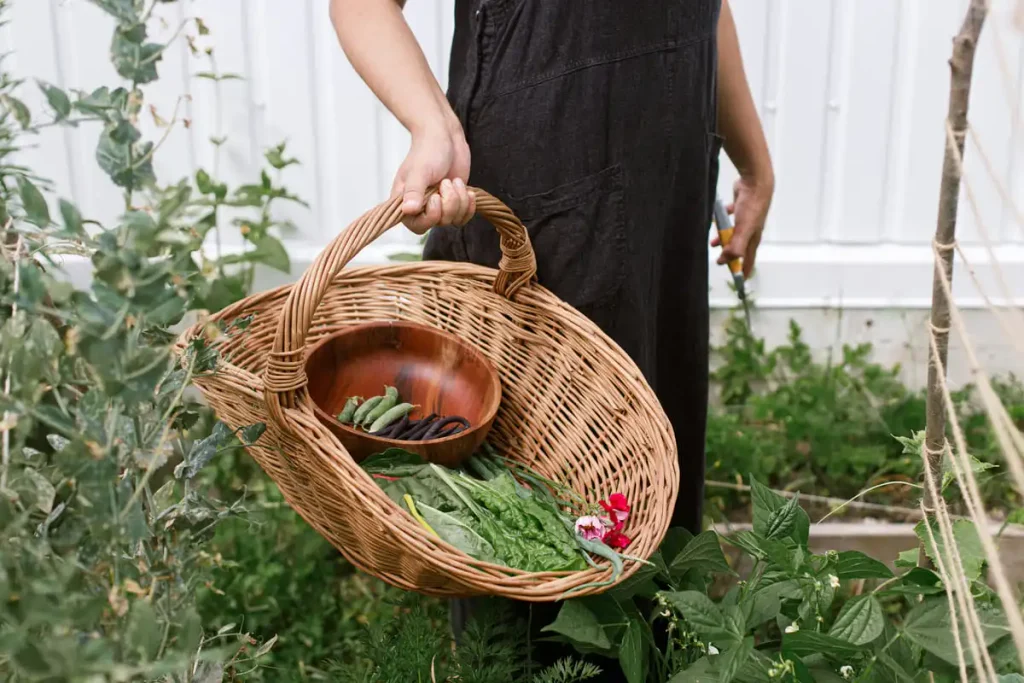
Harvest vegetables regularly and you’ll see better results. Get a vegetable planting calendar and focus on the easiest vegetables to grow, but not before you test garden soil and remove grass from the garden.
Learn from pest problems to prevent them, identify successful varieties, and then you may consider changing the beginner vegetable garden layout.
Your garden is less likely to be perfect. Instead, to start a garden from scratch, you’ll need to learn to manage it, keep everything under control and learn from one season to another to make every year more productive.
FAQs
To turn lawn into vegetable garden, make sure you pick the right location for sunlight, drainage and water access. Measure everything before buying anything.
How big should a beginner vegetable garden be?
Whether you go for a raised bed vs in-ground garden vs containers, 25 to 50 square feet will be more than enough. A standard 4×8 foot bed or a few big containers can help you learn how to start a vegetable garden in your backyard.
Should beginners use raised beds or plant in the ground?
It depends on your dedication, preferences and available budget. In-ground beds are cheaper, but raised beds give you more control and easy access.
How do I turn backyard grass into a vegetable garden?
Get rid of the sod and keep the grass under control by overlapping cardboard. You can also get a raised bed, yet you’ll still have to work on the grass underneath. Adding soil over grass won’t help. It’ll go right through it within a few weeks or even days.
What are the easiest vegetables for beginners?
What works for some areas, climates or types of soil won’t work everywhere. However, some of the easiest veggies for beginners include Swiss chard, radishes, cherry tomatoes, herbs, bush beans, lettuce, kale or cucumbers, just to name a few. Grow things that you’ll actually eat, not just because they’re easy.
Can vegetables grow in a partially shaded backyard?
Some veggies or leafy greens will survive, rather than thrive in a partially shaded backyard. Plants like tomatoes, cucumbers or peppers require at least six hours of direct sunlight a day to produce good fruit.