
Pet & Child Safe Plant Finder Tool
Search 1,000+ houseplants, flowers, and terrace or yard plants to check pet and child safety, and find the best room for each one.
to see its specimen card.
How this data was compiled
Every entry's Safe / Caution / Toxic rating follows the same three-tier system used across most consumer plant-safety references. The primary standard is the ASPCA Animal Poison Control Center's Toxic and Non-Toxic Plant List, maintained by veterinary toxicologists and the resource most vets and poison-control specialists point to first. Because cats and dogs can react differently to the same plant, we cross-check both the dog-specific list and the cat-specific list rather than treating "pet safe" as one blanket answer.
Where a plant is well known to hit one species harder than another, such as true lilies (Lilium and Hemerocallis) being especially dangerous to cats, that's called out directly on the specimen card and flagged in the table below as a species-specific watch item, not folded silently into a single average rating.
Ratings are also cross-checked at the plant-family level, closely related species that share the same toxic compounds (aroids and their calcium oxalates, buttercup-family sap irritants, nightshade relatives, and so on) are rated consistently rather than guessed one by one, so a specific cultivar of an already-listed species inherits that species' safety profile.
Limitations: this is general household guidance, not a diagnosis or a substitute for confirming a specific plant with a veterinarian, your doctor, or a poison control center. If you believe a listing here is wrong, or a plant's common name is ambiguous where you are, treat it as a starting point and verify against the ASPCA list linked above before making a decision that matters.
Find the Right Plant for Every Room
Choose a space to filter the index and see plants assigned to the conditions and role of that room.
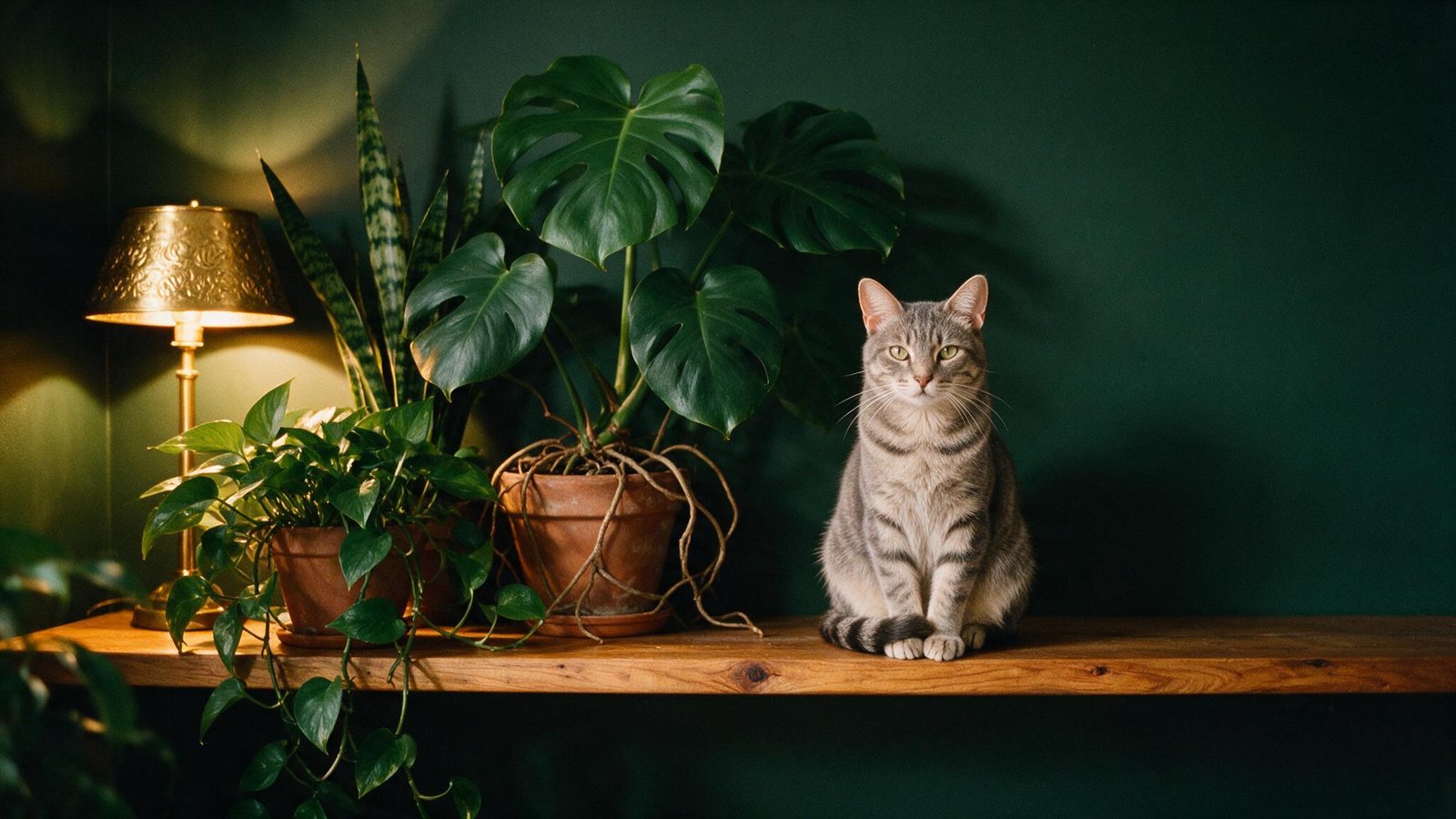
A Faster Way to Find Pet Safe Plants for Every Room
Plant labels do not always tell you whether a variety belongs in a humid bathroom, a quieter bedroom or outside on the terrace. They also rarely say if a plant is pet safe or safe for kids, so it is easy to bring one home without realizing the risk.
This guide covers pet safe indoor plants and pet safe outdoor plants side by side, with separate ratings for pets and children.
This searchable guide brings room recommendations and simple safety ratings together. It is designed for quick comparison and general household guidance, not emergency diagnosis.
Search or browse
Enter a plant name or select a room filter to narrow the index.
Check both safety ratings
Pet and child ratings are displayed separately because the risk may differ.
Review the placement note
Use the best-room recommendation and explanation as a practical starting point.
Pet Safe Plants FAQs
What does "safe" mean in this guide?
A safe rating means the plant is generally regarded as non-toxic for the listed group. Any plant material can still cause choking, irritation or digestive upset, so supervision remains important.
Are pet-safe plants also safe for children?
Not always. The tool displays separate pet and child ratings so you can check both instead of assuming one safety classification applies to everyone in the home.
Are spider plants, snake plants, and ZZ plants pet safe?
Ratings vary by species even within the same shelf of houseplants. Spider plants are non-toxic and a safe pick for pets. Snake plants are only mildly toxic if chewed. ZZ plants are toxic to pets and children in every part of the plant. Search any of these by name above for the full rating.
How is the best room selected?
Recommendations reflect broad traits such as humidity preference, tolerance of lower light, visual impact and resilience. Conditions vary between homes, so always consider the actual light and temperature in your room.
What should I do if a child or pet eats a plant?
If a child or pet ingests a plant or appears unwell, contact a doctor, veterinarian or relevant poison-control service immediately. Do not rely on this general guide for emergency advice.
Whether you need pet safe house plants for a sunny living room or pet friendly plants for a low light hallway, checking before you buy beats a surprise vet visit later. This guide covers non-toxic indoor plants for cats, indoor plants safe for dogs, and pet safe outdoor plants for the terrace, along with air purifying plants that are also pet safe. Search by name above, or filter by room to browse pet safe options at a glance.