
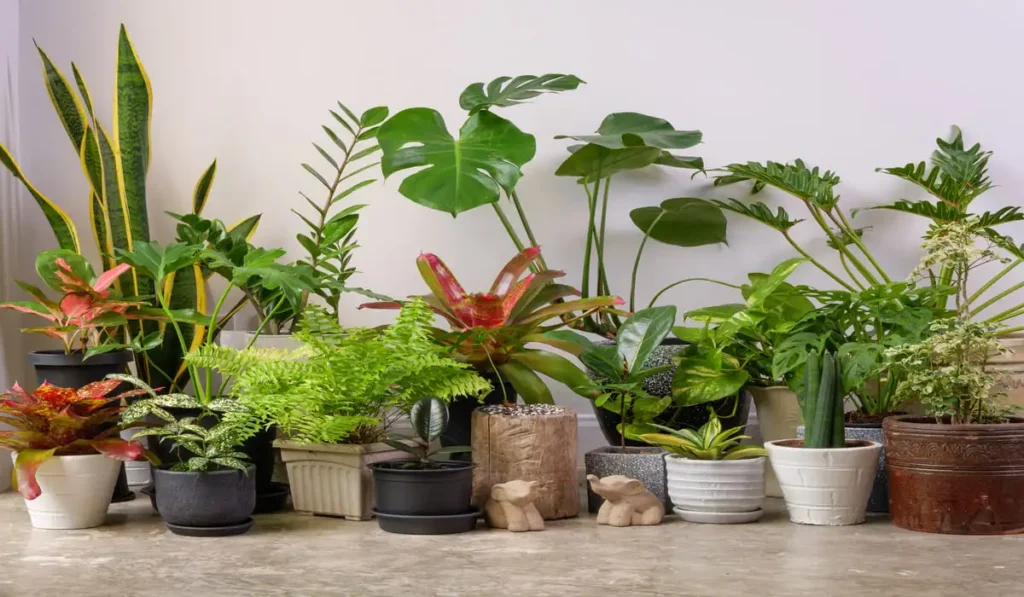
You have killed at least one plant in your lifetime. Don’t worry, everyone does, and most of the people who believe they have a black thumb just need hard to kill plants and a little consistency. You water the plant generously for a week and then forget about it for a month and feel guilty afterwards and drown it trying to make up for lost time.
Great! Some of these plants do not mind. This list of hard to kill plants is specifically designed for people who have killed at least one plant in their lives and now have a real second chance, not for people with plant collections seeking rare variegations. Select one of the plants mentioned below and follow the instructions and you will probably end up growing it successfully.
Why Hard to Kill Plants Still Die From Overwatering
This is something that no one ever tells novices. Houseplants die from overwatering much more often than underwatering. The roots require air just as much as water. Leave them in wet soil for weeks on end, and they will develop root rot, which will kill your plant even if you lavish it with all the sunlight or attention you want to afterward.
Forget about watering schedules. All you need to do is push a finger into the soil about an inch deep before watering any plant. If your finger comes out wet, do nothing; if it comes out dry, water the plant. This is literally all you have to know – and it’s the most effective remedy for a “black thumb” problem.
What qualities make a plant hard to kill
There are some characteristics that make the difficult plants what they are:
- Water storage. Plants with thick foliage, fleshy stems, or big roots can store enough water to sustain themselves for weeks after forgetting to water them.
- Low light tolerance. Some plants grew in shade conditions of the forest floor and do not require sunlight to be healthy.
- Slow growth rate. Slow-growing plants will require less nourishment and less water, and thus there will be more time to recover from mistakes.
- Resistance to pests. Less pest infestation means fewer surprises from dying from something that was not anticipated at all.
- Memorize these four points and you will be able to recognize hard to kill plants by yourself, regardless of whether they are on the list.
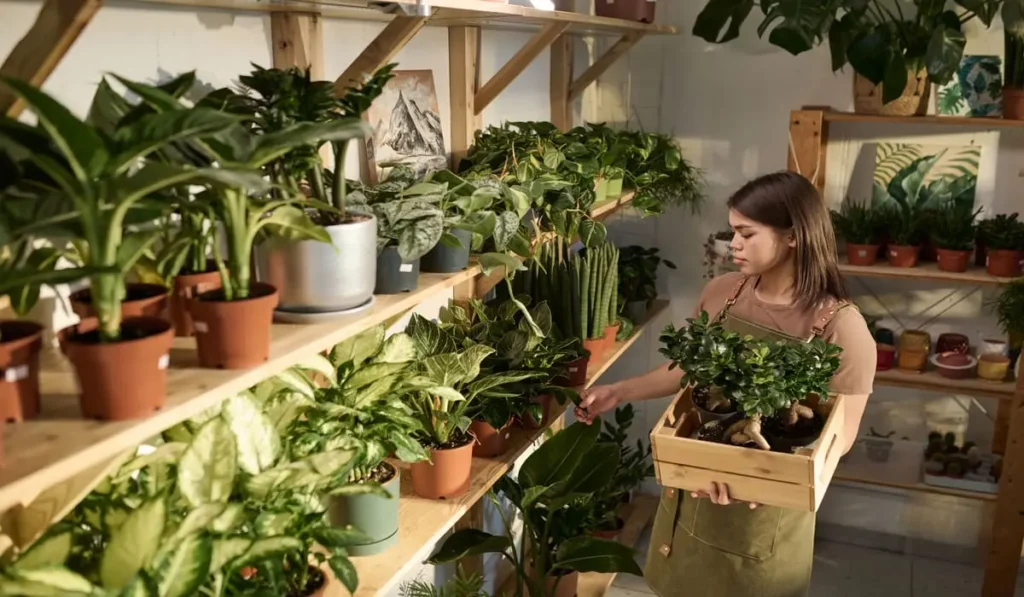
15 hard to kill plants that are tough enough for anyone
1. Pothos: The Classic Hard to Kill Plant
This was the one plant name that popped up again and again whenever people got asked about this specific topic. Pothos thrives in almost any light conditions, is forgiving if you forget to water, and can regenerate from one leaf node even after all other parts of the plant have died off.
Lighting: needs anything from low to bright indirect light. Watering: once per 1-2 weeks or when the top inch or two of soil have dried out. For pets: poisonous to cats and dogs, so keep away from reach. One mistake that will kill it: watering on a schedule instead of testing soil first.
2. Snake plant
Snake plants are some of the most hard to kill plants around, and they’ve earned that reputation. They’re quite tolerant to low lighting, high lighting, drought, and even neglect.
Lighting: low to bright indirect light, but don’t put it in direct sunlight. Watering: once every 3-6 weeks, even less in the winter months. For pets: mildly toxic to cats and dogs. One mistake that will kill it: overwatering.
3. ZZ Plant
Water is stored by this plant in thick rhizomes which grow underground. This is why it doesn’t need water for a month and won’t notice the lack of it.
Light: low to bright indirect light. Water: every 2 to 3 weeks. Let it dry out completely between waterings. Pets: toxic to cats and dogs. One mistake that kills it: soggy soil.
4. Cast Iron Plant
The plant that is named correctly and truly lives up to it. It is the easiest plant on this list to care about. Doesn’t mind low light, dust, temperature changes, or neglect.
Light: low to medium indirect light, not the direct sun. Water: every 2 to 3 weeks. Pets: non-toxic to cats and dogs. The one mistake that kills it: overwatering or the direct sunlight.
5. Philodendron
All types of philodendron (heartleaf, Brasil, and micans) trail well and don’t shed leaves if you forgot to water them once.
Light: medium to bright indirect light. Water: every 1 to 2 weeks. When the first inch of soil is dry, start watering. Pets: toxic to cats and dogs. The one mistake that kills it: overwatering (same as pothos).
6. Rubber plant
The rubber plant’s waxy leaves contain much more water than is apparent, giving you extra leeway when watering.
Lighting: bright indirect light. Watering: once every 1 to 2 weeks. Pets: moderately toxic to cats and dogs. What will kill it: cold air + wet soil combination.
7. Monstera deliciosa
Despite the reputation for finicky care, Monstera has proven itself durable even to those owners who have kept it outdoors throughout the whole year in a mild climate, along with neglect periods.
Lighting: bright indirect light. Watering: once every 1 to 2 weeks. Pets: toxic to cats and dogs. What will kill it: poor quality of water + constantly wet soil.
8. Dracaena
This plant is resistant to both low lighting conditions and occasional watering issues, making it an ideal plant for a hectic household.
Lighting: low to bright indirect light. Watering: once every 2 to 3 weeks. Pets: toxic to cats and dogs. What will kill it: leaf tips due to fluorine + overwatering.
9. Spider plant
The spider plant is flexible and adaptable to many lighting and watering conditions and also produces babies for propagating them easily.
Light: Low to bright indirect light. Water: Once a week or biweekly. Pets: Non-toxic to cats and dogs. What makes it die? Persistent wet soil resulting in root rot.
10. Ponytail palm
Though it is not a real palm, but it behaves as succulent, as it stores water in its base and prefers to be neglected.
Light: Bright direct or indirect light. Water: Once every 3-4 weeks. Pets: Non-toxic to cats and dogs. What makes it die? Overwatering. It prefers to become completely dry.
11. Aloe vera
Aloe vera is a full-fledged succulent that can survive without water for longer periods and even treats minor injuries.
Light: Bright direct or indirect light. Water: Once a week or two weeks. Pets: Toxic to cats and dogs. What makes it die? Overwatering resulting in rotting of leaves.
12. Peace Lily
This plant droops quite dramatically if it needs water. This is one of the only plants here which will signal that it needs water without any doubt.
Light: low to medium indirect light. Water: every week or every other week, depending on the watering system used. Pets: toxic for cats and dogs. What kills it: forgetting about watering it after it drooped once or twice.
13. Succulents
Succulents do not have all the same characteristics, but in general they store water in their leaves and are not fond of too frequent watering.
Light: bright light. Water: every 2-3 weeks. Pets: varies according to variety, make sure beforehand if pets are present. What kills it: lack of light causing weak and leggy growth, as well as too much watering.
14. Dragon Wing Begonia/Whopper Begonia
These plants are less frequently recommended as unkillable, but they get special mention from people who own them as being tough plants and more aesthetically pleasing than others on the list.
Light: bright indirect light. Water: every 1-2 weeks. Pets: toxic for cats and dogs. What kills it: combination of cold weather and wet soil.
15. Chinese evergreen
This variety of Aglaonema survives in low-light conditions and neglect better than most colorful indoor plants, while maintaining its variegated foliage.
Light: low to moderate indirect light. Water: 1 to 2 times per week. Toxic to cats and dogs. One thing that will kill this plant is exposure to cold air drafts combined with overwatering.
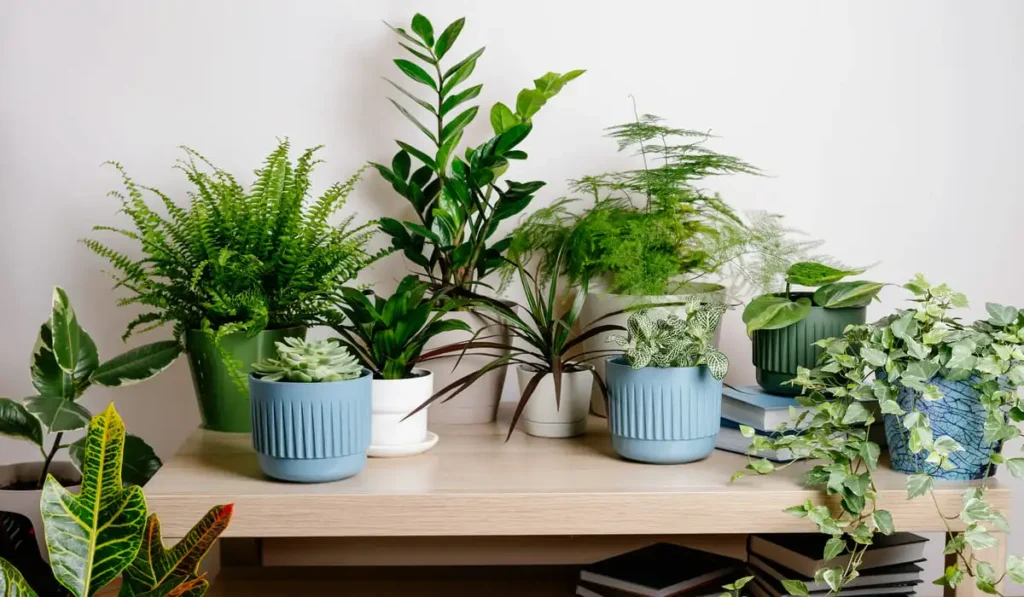
But you don’t need soil at all: hydroponic indoor plants
What few people realize is that some hard to kill plants will thrive for years in a jar of water rather than soil. This goes for pothos, spider plant, anthurium, and Dragon’s Tail (related to pothos). All of them will root and flourish when grown this way.
Maintenance is virtually non-existent. You just have to change the water once a month and use fertilizer occasionally. There’s simply no chance of overwatering since there’s no soil involved, making it by far the easiest method among all listed here. Even a cutting in a jar of water on a sunny window sill will do. Plants to avoid if you’re inconsistent
There are certain plants that simply cannot tolerate any error. Calathea, alocasia, orchids, and fiddle leaf figs require accurate and constant maintenance with a steady humidity level, proper watering, and a correct temperature range. You’ll get crispy or drooped leaves for each mistake you make with them. These are some of the plants you’d better leave until you become more experienced with easier varieties.
Which one is the right choice
- Find one of these hard to kill plants that matches your home conditions and habits.
- No windows or a dark room: ZZ plant, cast iron plant, or snake plant.
- Watering in bursts followed by a couple of weeks without watering: pothos, snake plant, ZZ plant, or cast iron plant.
- Cats or dogs at home: ponytail palm, spider plant, or any pet-safe succulents. Don’t use pothos, philodendron, or ZZ plant if pets tend to bite leaves.
- Frequent traveling: snake plant, ZZ plant, aloe, or water-grown plants.
- A hot and dry environment: pothos, succulents, monstera, or a tough variety of palm. Tropical plants won’t be able to survive there despite your efforts to provide proper watering.
- Starting your first indoor garden: pothos or peace lily.
Hard to Kill Plants: Frequently Asked Questions
These hard to kill plants are your best bet: pothos, snake plant, ZZ plant, and cast iron plant, since all of them are capable of storing water. In fact, they would rather stay without a drink a bit longer than have it in excess. So, if you are used to drowning your plant and forgetting about it for weeks, these four are perfect for you.
Without any doubt, overwatering does it much more often. That’s because roots require oxygen, and when the soil remains moist for too long, roots lack it and rot. Once the roots become rotten, saving the plant becomes impossible. By contrast, underwatering is much easier to solve since most plants recover from it without any difficulties.
For starters, ponytail palm, spider plant, and cast iron plant are non-toxic and hard to kill. However, such plants as pothos, philodendron, ZZ plant, snake plant, aloe, and peace lily are toxic to animals in one way or another.
Yes. It is possible for pothos, spider plant, anthurium, and Dragon’s Tail to root and grow in water-only conditions. Just change the water once per month and fertilize occasionally with a diluted solution throughout the year. It is one of the easiest ways to maintain a plant alive because you do not have to worry about the soil getting too wet.
In small amounts, yes, but much smaller than you might expect. Almost all the plants mentioned above require fertilizer only during the warmer months in dilute amounts on a monthly or bimonthly basis. In winter, there is no need for fertilization at all.
Calathea, alocasia, orchids, and fiddle leaf figs. They all require high humidity and precise watering and react to any deviation in the way of their well-being. Gain some experience with something easier first.