
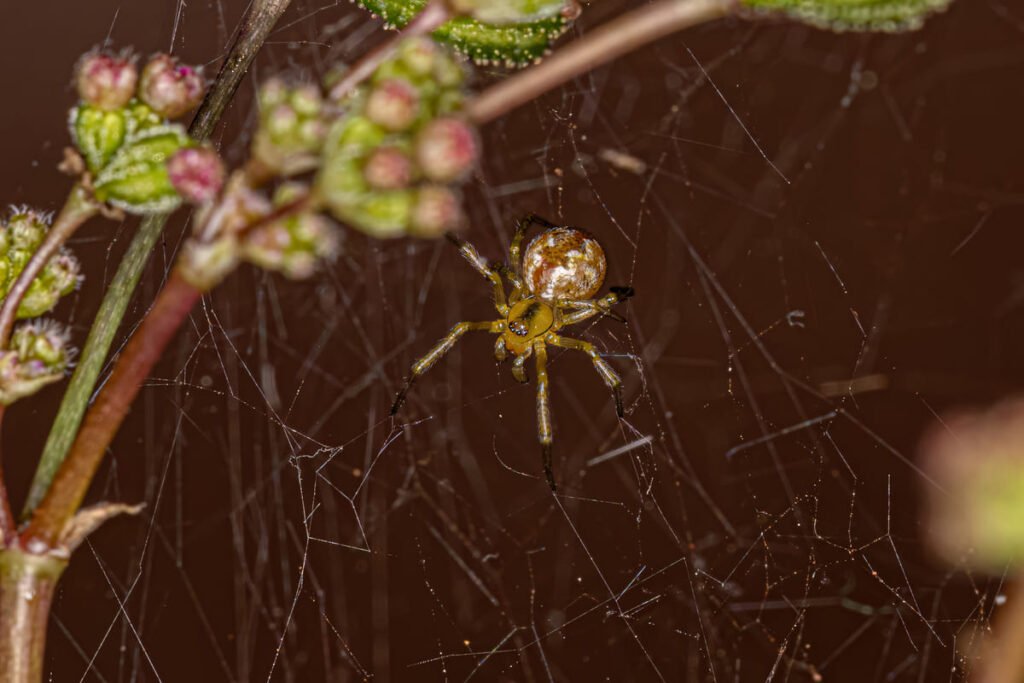
How to kill spider mites on indoor plants, in short: isolate the plant, rinse it in the shower, wipe every leaf, then treat it with insecticidal soap or horticultural oil. Repeat as the label says, usually every 5 to 7 days, for about three weeks. New eggs keep hatching, so one treatment is never enough.
Spider mites on your indoor plants don’t pose any risks to you, your family or pets. However, getting rid of them quickly matters because they can be very destructive when it comes to your plants. They feed on sap, meaning they can destroy the chlorophyll, let alone prevent the plants from growing. Eventually, they can kill plants.
Learning how to kill spider mites on indoor plants isn’t all about getting the right solution or product. It’s also about understanding the dangers to your plants, as well as the signs that you may have spider mites. Here’s what you need to know to safeguard your indoor jungle.
Spider Mite Damage on Indoor Plants
Here’s what spider mite damage looks like, and why it gets worse quickly.
- Cellular damage. Mites feed on sap. To reach it, they’ll destroy plant cells leaving behind thousands of tiny, yellowish dots.
- Rapid spread. If left untouched, mites spread very fast from plant to plant and can kill plants.
- Webbing. When the population grows, fine webbing collects dust and chokes the plant.
- Premature leaf drop. Losing sunlight and the possibility to grow, leaves will dry up much quicker. They’ll drop off, so they’ll weaken the plant.
- Bronzing. On some plants, badly fed-on leaves turn dull bronze or silvery instead of yellow.
On top of all these, a mite infestation makes your indoor plant fragile. This means that it can take other pests and develop secondary diseases as well.
What Do Spider Mites Look Like?
Spider mites are tiny, usually less than a millimeter long. They can be red, brown, yellow or green, and they look like moving specks. Check the undersides of leaves and the spots where leaves meet stems. Early signs are tiny yellow or white dots on the leaves and fine webbing between leaves and stems.
The species you’ll find on most houseplants is the two-spotted spider mite, which UK gardeners often call red spider mite. Despite that name, it’s usually pale green or yellowish with two dark spots, though it can turn orange-red. Spider mites aren’t insects. They’re arachnids, like spiders, and adults have eight legs.
Spider mites can’t fly. If the bugs you’re seeing take off when you move the plant, you’re dealing with something else. See our guide to flying bugs on indoor plants.
What Causes Spider Mites on Indoor Plants?
Knowing what causes spider mites makes the next outbreak much easier to stop. Most cases of spider mites on houseplants start with a new plant that already had a few mites or eggs on it. From there, mites spread by:
- Crawling across leaves that touch a neighboring plant
- Drifting on air from fans, heating vents or air conditioning
- Riding on your hands, clothes or pruning tools after you’ve handled an infested plant
Arriving is one thing. Taking over depends on conditions. Spider mites breed fastest in warm, dry air, which is why outbreaks often start in winter when the heating is on. Dusty leaves and underwatered plants help them too, and so does heavy feeding, because leaves high in nitrogen favor mites.
So what causes spider mites to explode on one plant and not the one next to it? Usually a hitchhiker lands on a plant that’s dry, dusty or stressed. Fix those conditions and you’ve done half the work.
Signs That You Have Spider Mites
Spider mites are very difficult to see with the naked eye, so most people ignore them until they have an actual problem. There is, however, a simple paper test that allows you to detect an infestation at an early stage.
Get a white piece of paper. Hold it under some of the leaves, then tap or shake those leaves a few times gently. Spider mites won’t stick to it, but they’ll usually fall on the paper. If you can observe tiny things walking around on the paper, you have spider mites.
Nothing to worry about! At least you’ve identified the problem before it kills the plant. Here’s how to kill spider mites on indoor plants.
How to Kill Spider Mites on Indoor Plants
Quarantine the Plant
Spider mites can spread easily, so you’ll have to quarantine your plant straight away. Move it away from other houseplants, ideally to a different room. This way, you’ll get to keep the infestation under control for a bit.
Get Rid of Dead Leaves
Some of the leaves may already be dead. If they’re heavily yellowed or even crispy, it’s time to get rid of them. The same applies if you see webbing all around them as these areas harbor the highest concentration of pests. Use sterilized scissors to do it. This move allows the plant to redirect its energy into fresh growth.
Rinse the Plant
This isn’t about watering the soil, but the actual plant. If it can fit thoroughly in your sink, go for it. Most people do it in the shower though. The water should be lukewarm and applied with a bit of pressure. Thoroughly blast each leaf individually, from top to bottom. Wash away everything. From webbing and mites to actual eggs. A good rinse is the first step in how to kill spider mites on indoor plants, but it won’t finish the job alone.
Wipe the Leaves and Treat the Plant
Water alone won’t remove everything. Some mites and eggs will still cling to the leaves. Get a clean microfiber cloth or paper towel and physically wipe every single leaf. Do the same for the whole plant. Once it’s clean, get an anti-mite spray and treat it thoroughly, paying close attention to the nooks where stems meet.
You can make a homemade spider mite spray (see the recipes below), but a ready-made horticultural oil or insecticidal soap is more reliable. Check the label for your type of plant, and test it on one leaf first. Wait a day to see if the leaf burns or spots. Keep pets and kids away until it dries.
Spider mites reproduce fast, so repeat the rinse every few days and keep spraying on schedule. More on why below.
Apart from the plant, it’s also important to clean the area. Vacuum thoroughly, wipe shelves with a disinfectant solution and so on.
Spider Mite Eggs: Why One Treatment Is Never Enough
If spider mites keep coming back after you’ve treated them, the product usually isn’t the problem. The schedule is.
Female spider mites lay tiny, round, translucent eggs on the undersides of leaves, often under the webbing. In a warm room, a new generation can go from egg to egg-laying adult in under a week. That’s how a handful of mites becomes a full infestation within a few weeks.
Insecticidal soap, horticultural oil and neem only kill the mites they touch. Spider mite eggs often make it through a spray and hatch a few days later. Skip the next treatment and those new mites start laying eggs of their own.
So stick to the schedule:
- Spray every 5 to 7 days, or as often as the label allows.
- Keep going for at least three weeks so you catch each batch of spider mite eggs as it hatches.
- Cover the undersides of the leaves every time.
How do you know it’s over? Do the white paper test once a week. When nothing moves on the paper and new leaves show no fresh spider mite damage for two weeks in a row, you’re done. Keep checking every week or two after that, since a few missed spider mite eggs can restart the cycle.
Does Rubbing Alcohol or Neem Oil Kill Spider Mites?
Both can work, with limits.
Neem oil: A common option. It needs repeat applications, so follow the label and spray the undersides of leaves too. Avoid spraying in direct sun or when it’s above 90°F (32°C), and water the plant the day before, since oils and soaps are more likely to burn a thirsty plant.
Rubbing alcohol: It can kill mites on contact, but it can burn leaves. Mix 1 part rubbing alcohol with 3 parts water and dab it on with a cotton swab or soft cloth. Test one leaf first. Insecticidal soap or horticultural oil is the safer first choice.
Homemade Spider Mite Spray: What Works and What Doesn’t
A store-bought insecticidal soap is the most reliable option, but a homemade spider mite spray can do the job if you stick to the schedule. These are worth trying.
Soap spray
Mix 1 teaspoon of mild liquid soap, such as pure castile soap, into 1 liter (about 1 quart) of lukewarm water. Avoid dish soaps with degreaser or bleach. Spray the whole plant until it drips, undersides included, and rinse it with plain water a few hours later.
Neem oil spray
Mix 1½ teaspoons of pure neem oil and 1 teaspoon of mild liquid soap into 1 liter of lukewarm water. The soap helps the oil blend in. Shake the bottle as you go, because the oil separates.
Rosemary oil spray
Mix 1 teaspoon of rosemary oil into 1 liter of water and spray the leaves, focusing on the undersides.
Diluted rubbing alcohol
Mix 1 part rubbing alcohol with 3 parts water and wipe it on with a cloth or cotton swab. It’s best for small plants and spot treatments.
Skip the vinegar recipes
Straight vinegar can burn leaves. In the popular vinegar and baking soda spray, the two cancel each other out, so the dish soap is doing the work anyway. A plain soap spray does the same job with less residue.
Whichever homemade spider mite spray you choose, test it on one leaf and wait a day. Spray out of direct sun, and repeat every 5 to 7 days for at least three weeks.
Can Predatory Mites Get Rid of Spider Mites Indoors?
Yes, and for a large plant collection they can be less work than spraying every week. Predatory mites eat spider mites and their eggs but don’t feed on plants. The species most often sold for spider mites is Phytoseiulus persimilis, usually shipped in a bottle that you sprinkle onto the leaves.
They work best when you:
- Knock the population down first. Rinse and wipe the plant so the predators aren’t outnumbered. A common guideline is at least 1 predator for every 10 spider mites.
- Stop spraying before release. Soap, oil and alcohol kill predatory mites as easily as spider mites, so follow the supplier’s advice on how long to wait.
- Release them while there’s still food. Once the spider mites are gone, the predators die off or move on.
For one plant, a few weeks of rinsing and spraying is usually cheaper. If you have a shelf full of palms, figs or other mite-prone plants, predatory mites are worth a look.
How to Prevent Spider Mites on Indoor Plants
Once a plant is clean, a few habits will prevent spider mites from settling in again.
- Increase humidity, as spider mites tend to thrive in dry air, especially if it’s hot. Humidity should be between 50% and 60% which can be achieved using a room humidifier or a pebble tray.
- Dust plants regularly, as dust encourages spider mites and gives them a perfect environment to build webs.
- Avoid water stress, so underwatering and overwatering are both contraindicated.
- Quarantine new plants for about two weeks, and check them with the paper test before they join the rest of your collection.
- Check the undersides of leaves weekly, as mites are much easier to deal with before the webbing appears.
- Rinse plants every few weeks in winter, because heating dries the air and that’s when it’s hardest to prevent spider mites.
- Go easy on fertilizer, as leaves high in nitrogen favor mites. Stick to the rate on the label.
- Give plants some space, so mites can’t walk from one plant’s leaves onto another’s.
These habits matter as much as any spray when you’re learning how to kill spider mites on indoor plants, because they stop mites coming back.
Which Houseplants Are Most Prone to Spider Mites?
Any plant can get spider mites, but some get them far more often. University of Minnesota Extension names palms, philodendrons and figs as the houseplants with the most outbreaks. Figs include the fiddle-leaf fig and the rubber plant, so check those first if you’ve had spider mites on houseplants before.
Succulents, cacti, pothos, snake plants, hoyas and ferns have fewer problems, according to the same source. Fewer isn’t none. Any plant in warm, dry air near a radiator or a sunny window is at higher risk.
If you own any of the high-risk plants, check them first during your weekly look under the leaves. It’s the simplest way to prevent spider mites from spreading to the rest of your collection.
Spider Mite FAQs
No. Spider mites live and feed on leaves and stems, not in the soil or on roots, so repotting won’t get rid of them. Treat the foliage, and wipe the pot and saucer while you’re at it.
Should I cut off leaves with spider mites?
Cut off leaves that are badly yellowed, crispy or wrapped in webbing. Lightly speckled leaves can stay and be treated. Don’t remove more than about 30% of the leaves at once, or the plant will struggle to recover.
Should I throw away a plant with spider mites?
Usually not. Most plants recover if you treat them consistently. It’s worth letting one go if it’s mostly bare and still covered in mites after several weeks of treatment, especially if it’s putting your other plants at risk.
Are spider mites harmful to humans or pets?
No. Spider mites on houseplants feed only on plants and don’t bite people or animals. Keep kids and pets away from sprayed plants until the leaves are dry.
Can you see spider mites with the naked eye?
Just about. Adults are under 1 mm long and look like moving dots. A magnifying glass or the white paper test makes them much easier to spot.
Why do my plants keep getting spider mites?
Either eggs survived the treatment or the conditions still suit them. Treat every 5 to 7 days for at least three weeks, then fix what causes spider mites in the first place: dry air, dust and underwatered plants.
Do spider mites kill plants?
They can. Heavy spider mite damage stops leaves from making food, and a plant that loses most of its leaves may not recover. Caught early, most plants bounce back.
Pingback: Hard to Kill Plants: 15 Picks for Brown Thumbs | Nest & Aura
Pingback: What Happens If a Dog Eats a Stink Bug? A Quick Guide | Nest & Aura
Pingback: How to Get Rid of Flying Bugs on Indoor Plants the Easy Way | Nest & Aura
Pingback: Monstera Leaves Turning Yellow? Find the Cause & Fix It | Nest & Aura