
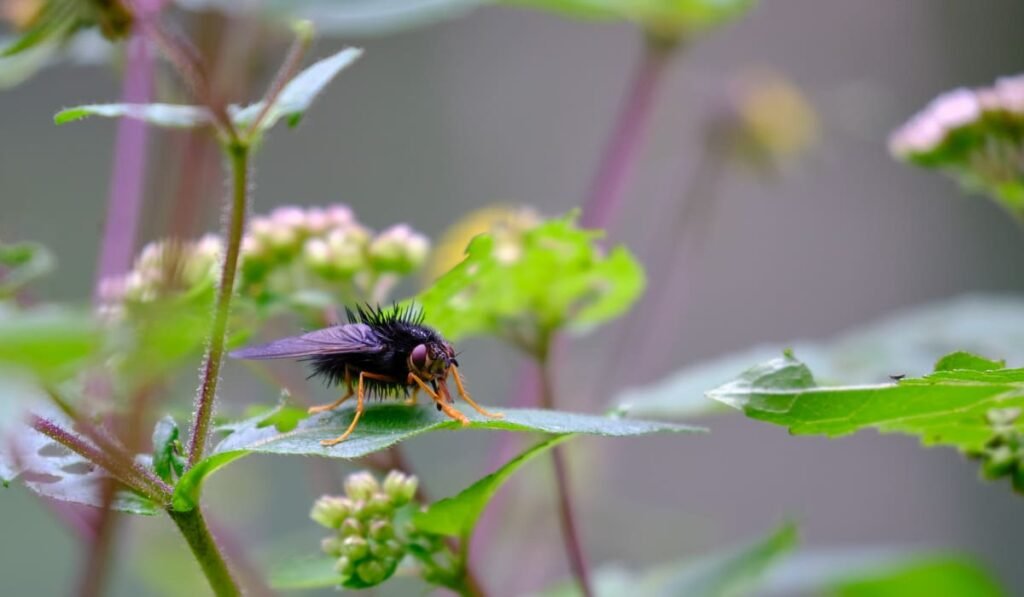
If you’re wondering how to get rid of flying bugs on indoor plants, you’re not alone. Most of the flying bugs affecting indoor plants are fungus gnats. They’re not too annoying before becoming adults. But then, they turn into a constant nuisance. When it comes to larvae, they tend to live in damp soil, so they normally feed on the roots. If what you’re seeing is more like tiny crawling dots than flying insects instead of gnats, you’re probably dealing with spider mites, and that’s a different fix.
A heavy infestation can be a problem for indoor plants. It leads to wilting, but it also prevents plants from growing. Leaves will go yellow as well as the root system becomes compromised. But fortunately, it isn’t that difficult. Here’s what you have to know.
Most Common Problems Caused by Flying Bugs on Indoor Plants
Flying bugs are usually annoying. That’s when most people start reacting. When they’re nothing but larvae, they’re usually overlooked, yet they can cause a series of issues as well.
For instance, they feed on the root system. They chew on roots, especially if they’re fragile or delicate. That’s the nutritional system of the plant. They become more vulnerable to rot, but they also get fewer nutrients in. Such deficiencies can lead to even worse problems in the long run.
Other than that, flying bugs spread in no time. Once you spot them, it’s worth acting straight away, before they become a more serious challenge. Adult bugs will infest other plants as well.
They’ll literally fly from one plant to another. A simple issue with a plant can become a massive infestation in the entire room or house within a matter of days.
On top of all these, flying bugs are sucking pests. They weaken your plant by affecting its feeding system and immune system. They can also transmit viral affections and fungal spores, such as Pythium, between two or more plants.
How to Get Rid of Flying Bugs on Indoor Plants
The good news is that learning how to get rid of flying bugs on indoor plants isn’t that difficult. Just so you know, killing these little bugs whenever you see them won’t solve the problem. It’s not all about the bugs, but also about the larvae hiding beneath the surface.
Dealing with Adults
Trap the flying adults, so you can prevent them from attacking other houseplants too.
The job is quite simple. Flies are naturally attracted to yellow things. Therefore, get some sticky traps for the soil. Once adults land on them, they won’t be able to fly away and their reproduction cycle will be cut short. Sure, you can also kill them whenever you see them, but this option is less time-consuming and more effective.
Vinegar traps are also quite common when dealing with flying bugs, particularly if you happen to be dealing with fruit flies alongside gnats. You’ll have to create your own trap though. Stir water and apple cider vinegar in a bowl in equal proportions. Add a couple of drops of dish soap to break the surface tension. Place this bowl close to the infected plant. It will attract adults, who will get trapped and drown.
Dealing with Larvae
Larvae will be in the soil, so you’ll need to kill everything before the infestation aggravates. Just because you’ve managed to get rid of the adults, it doesn’t mean that your problem is over.
Get some 3% hydrogen peroxide, then mix one part of it with four parts of water. Mix everything in a small bowl, then pour it onto the soil as a regular drench. You’ll see the solution bubbling a little. Nothing to worry about, it won’t affect the plant, but it will kill all the eggs and larvae on contact.
There are, of course, different solutions you can find in commerce as well. Each of them works in different ways. If you go for this option, make sure that such solutions aren’t too harsh for your houseplants as well.
How to Prevent Flying Bugs
Learning how to get rid of flying bugs on indoor plants is one thing. Preventing them is a completely different thing.
Just because you’ve managed to get rid of them, it doesn’t mean that your houseplants will always be safe. In fact, flying bug infestations are quite common, so there’s a good chance you’ll end up with one again in the future.
Preventing them is mainly about making the environment unsuitable for them. Here are a few useful ideas.
- Dry the soil out. It doesn’t mean you’ll have to kill the plants. Just keep in mind that many flying bugs thrive when the soil is damp and filled with decaying organic matter. Before watering, let the top couple of inches of soil dry out completely.
- Add a barrier. The top of your potting mix can be covered with a barrier, such as horticultural grit or gravel. Sand also works. Whatever it is, it should prevent adult flies from laying eggs in the soil and stop new adults from emerging.
The gnats always come back if you skip the prevention step. Killing what you see today just buys you a few weeks before the next batch hatches.