
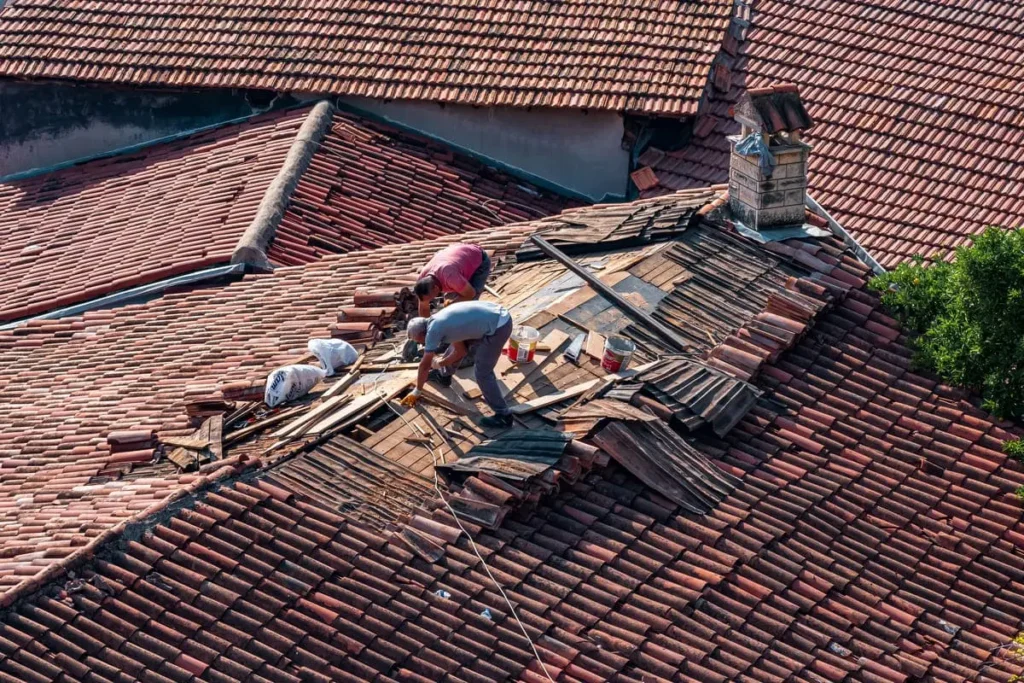
Most roof problems don’t announce themselves. There’s a small bit of moss here and there, a slightly damp area somewhere else. Before you know it, you’ve got yourself a problem. The ability to distinguish between minor nuisances and problems that require immediate attention will help you decide how to act in each situation. Generally speaking, there are two categories of roof problems: those that appear insignificant but in fact are not (moss, sagging, ponding water, condensation) and those that appear obvious (cracks, leaks, faulty flashing).
That green fuzz is a bigger roof problem than it looks.
A patch of moss doesn’t look dangerous, but it holds moisture against your shingles, and moisture is the one thing shingles are supposed to keep out. Over time, it works its way under the shingle edges and starts to lift them. So yes, moss is a real roof problem, not just a cosmetic one. If you spot it, don’t power wash it off yourself. That can do more damage than the moss. A roofer can treat it safely and check whether it’s already caused any lifting underneath.
When your roofline signals a bigger roof problem
Stand across the street and look at your roofline. A wavy or dipping roofline is one of those roof problems that looks minor from the street but points to real structural trouble underneath.. This isn’t a DIY fix. Contact a roofer promptly, especially if you notice cracked shingles, missing tiles, or water stains on your ceiling, to prevent further damage.
Roof ponds that refuse to drain
Roofs are supposed to drain within 24 to 48 hours after raining. If water remains on the roof for that long, it means you have a ponding issue, which is definitely a roof issue, even if there is no obvious damage yet. The longer it remains unchecked, the more the water will put pressure on the roof, cause the roof membranes to deteriorate, and eventually get into your building. Clear the drains and gutters first, as this is usually the primary cause of ponding.
The wet attic that’s not really leaking
The symptoms of condensation include moisture spots or drops under the roof deck in your attic area. Condensation results when the warm, humid air coming from inside your home encounters the cold surface of your roof. People easily confuse this problem with leakage, but the approach to addressing it will not be the same.
Roof Shingles Problems – What’s Actually Wrong With Them
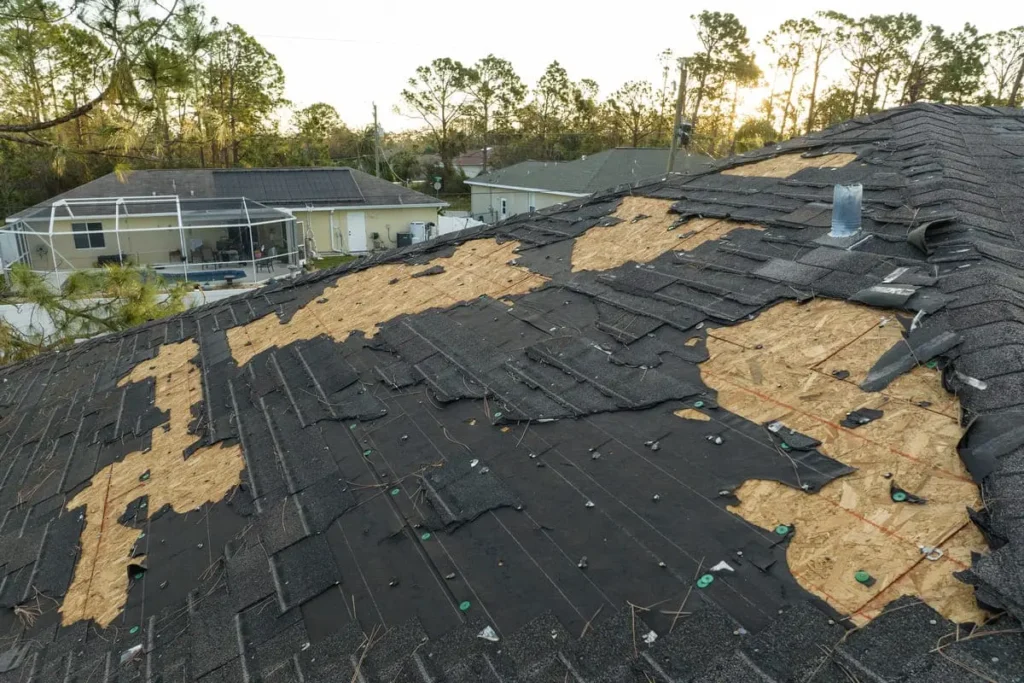
The most obvious reason why shingles fail to protect the roof is that they get damaged by weather conditions – wind, hail, sun, and time itself. It means the shingles may become cracked along the edges, curled at the corners, or even completely bald because granules are washed out. Granule washout is another roof condition that people usually notice first when looking at the shingles from the ground. You can replace a few broken shingles individually, but widespread shingle damage means the roof needs full replacement. The same thing is true about tile roofs, because cracked or slipped tiles work in a similar way to missing shingles.
Determining the origin point of a leaking roof
Roof leaks are by far the most frequent roof-related issue faced by homeowners. And the number one reason for roof leakage is due to roof penetrations, the openings where something protrudes out of the roof surface such as vent pipes, chimneys, or skylights. Uninterrupted areas of roof shingles seldom develop a leak. Leaks always occur at the points of intersection. If you have a water spot on your ceiling, trace its source to the nearest roof penetration above it. This is often the origin of the leak, even though it might be some distance away from the spot.
A roofing problem that may be hiding in your attic vents
Ventilation isn’t only a comfort issue. Poor ventilation causes its own set of roof problems, from warped shingles to ice dams.. Skip proper ventilation and heat and moisture build up in the attic. In summer, this heat will cause your roof shingles to warp from beneath. On the other hand, in winter, this is one reason ice dams develop along the edges of the roof. If your attic seems too hot in summer or ice dams form in winter, check your intake and exhaust vents.
Metal strip causing numerous leaks
Flashing is the metal strip that seals joints where chimneys, skylights, and vents meet your roof. Flashing counts as one of the smaller parts of the roof, yet it can cause unusually high numbers of leaks when defective. In case of any defects in the flashing, such as cracking or rusting, they allow water to seep under the shingles from these vulnerable spots.
It’s either nothing, or it’s everything all at once.
Wear and tear brings its own quiet roof problems: missing granules, brittle materials, uneven discoloration. While none of these, by themselves, are indicative of an urgent need for a new roof, they do show that your roof is working harder than it should in keeping the elements away.
What is the true life expectancy of your roof?
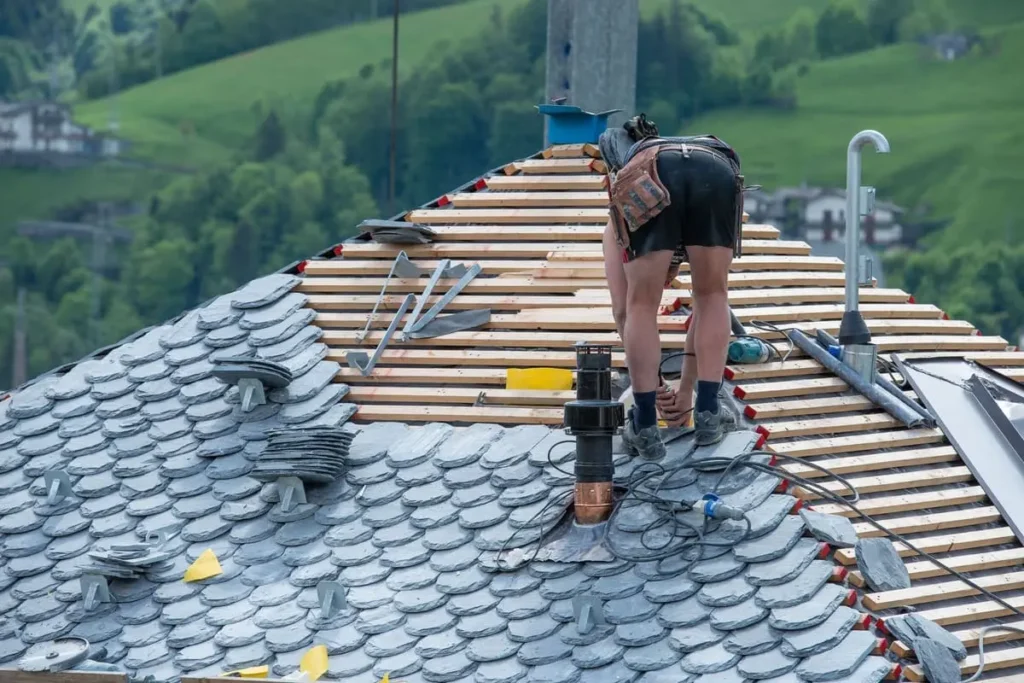
A typical asphalt shingle roof will serve for 20-25 years with regular maintenance. In this case, that assumes you’re checking your roof periodically. Take care of your roof and it can easily outlast that range. Neglect it and it can fail long before then.
What is the effort of repairing these roof issues really worth?
By far the most common type of roof repair is replacing a few faulty shingles rather than rebuilding an entire roof. Resealing or replacing the flashing at one joint comes second most often. Insurance usually covers storm damage, hail, and wind damage. Total roof replacement becomes necessary only when there are serious damages, the underlying deck has been spoiled, or the time of the roof has expired.
Will the insurance pay for it in the end?
That will depend on what caused the damage. Insurance usually covers storm damage, hail, and wind damage. That said, wear and tear or general aging isn’t something insurance usually covers. When making an insurance claim, take all necessary photos before you make any repairs to determine the cause of the damage.
Most roof problems are cheap to fix when you catch them early and expensive when you don’t. Walk your yard twice a year, five minutes tops, just looking up. That’s usually enough to catch small problems before they turn into big ones.