
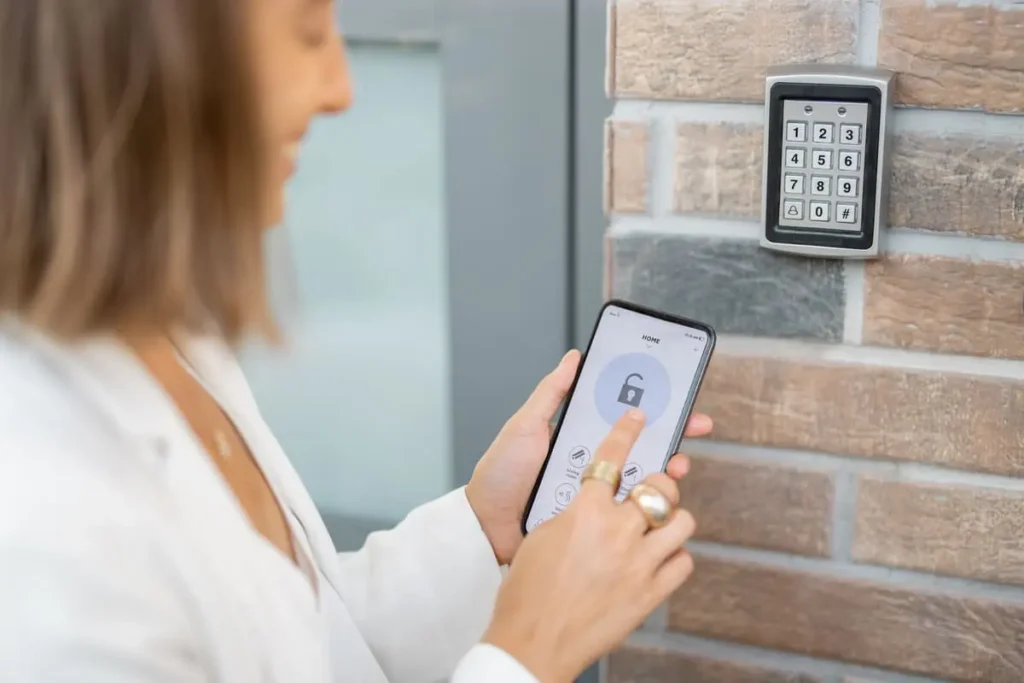
While everyone’s fascinated by modern gadgets, people are also anxious about technology, mainly because they don’t know what to expect or what they’re getting into. The same rule applies to smart locks for the home, which are more advanced and varied than ever these days.
Smart locks for homes bring in the joy of technology, but they’re also more convenient than traditional locks. They’re expected to be more durable, since their operation is flawless through technology, let alone the possibility of upgrades and even manual backups.
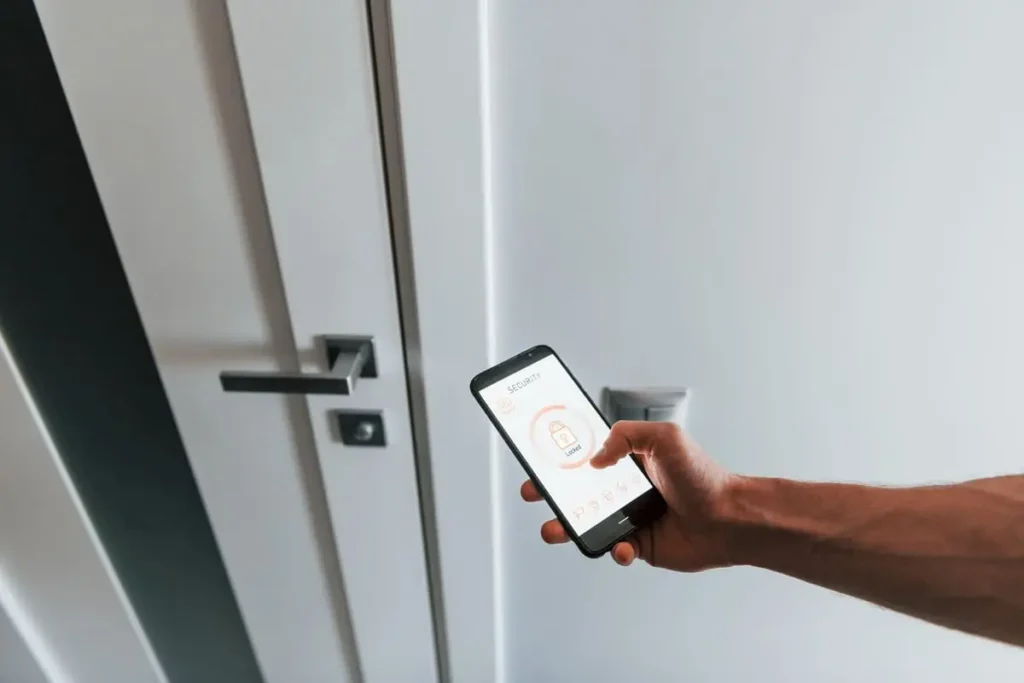
Whether you’re not sure about the technology, value for money or compatibility with your home systems, here’s everything you need to know about smart locks, their benefits and capabilities for your home in the long run so you can make an informed upgrade.
What to Look for in Smart Locks for Home
Different brands bring in different features. Here are some of the main things to pay attention to.
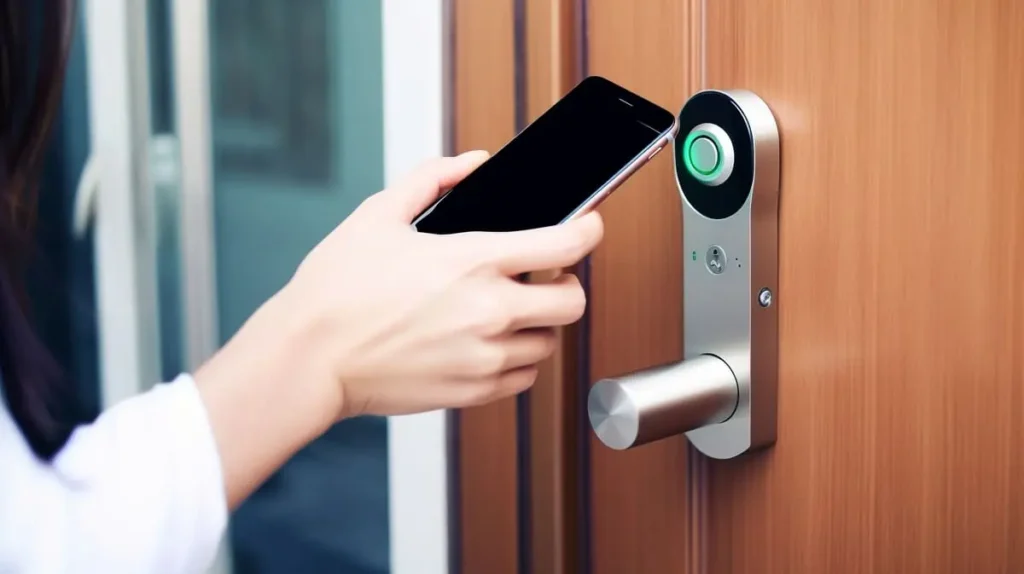
- Access. Some smart locks can be opened or operated through a keypad. You’d have to remember a code though. Some others work with fingerprint recognition, not to mention facial recognition or touchless Ultra-Wideband (UWB) proximity sensors. Key fobs are also common and involve fewer technological advancements.
- Power. You have two different options here. You can get a smart lock that runs on a battery, which will obviously require replacement at times. The other option is based on connecting the smart lock to a power source, but it may be affected during a power cut if it lacks an internal secondary cell.
- Compatibility. This is one of the most important things in the process. Make sure that the smart lock you purchase is compatible with your current door or deadbolt configuration. If you’re renovating your home, you can also buy a new door fitted with a smart lock in the first place.
- Smart integration. While not mandatory, smart integration can be convenient. Some smart locks for home work well with Google Home, Alexa or other similar assistants. This means that you can operate the locks by asking your assistant to do it.
- Quality standards. Quality standards involve more aspects. Pay attention to the materials the lock is made of, as well as the official ANSI/BHMA lock standards. Look for solid materials, but also weather resistance based on the climate in your area.
If you’re already automating other parts of your house, like a smart sprinkler controller for your garden, a smart lock fits right into that same connected setup.
On top of these, there’s obviously value for money as well.
Budget and Value for Money
Like for anything else, you’ll have to decide on your available budget first. The most expensive smart lock for homes isn’t always the best one if it doesn’t match your needs. Basically, think about what you need first, then look for value for money by evaluating the daily features you’ll actually use.
How Secure Are Smart Locks for Home, Really?
Like other things, smart locks can be qualitative, but it depends on the brand. To play it safe, make sure to purchase smart locks from reputable brands only. For example, top manufacturers rely on 128-bit or 256-bit AES encryption, which is identical to what online banking uses to guard sensitive data.
Such locks are almost impossible to pick or bypass, especially when compared to traditional mechanical locks.
But at the same time, smart locks for homes also depend on your so-called “digital hygiene”.
You’ll need to pick a difficult PIN to guess and change it on a regular basis. You’ll also need to choose a solid brand, but secure your wireless network too. It’s not all about the lock, but also about your connection.
Extra safety features add to the security standards, such as automatic locking mechanisms and procedures, tamper alerts and so on.
When compared to traditional deadbolts, smart locks for the home aren’t necessarily more secure. They all rely on the same heavy-duty bolts to ensure physical strength. However, the smart alternative is better because it eliminates the necessity of physical keys.
Keys can be copied, stolen or lost. Digital tracking, security logs and automatic locking features also make smart locks more effective. In other words, the technology behind these locks gives the extra security, not the physical elements and strength..
Can Smart Locks Be Hacked?
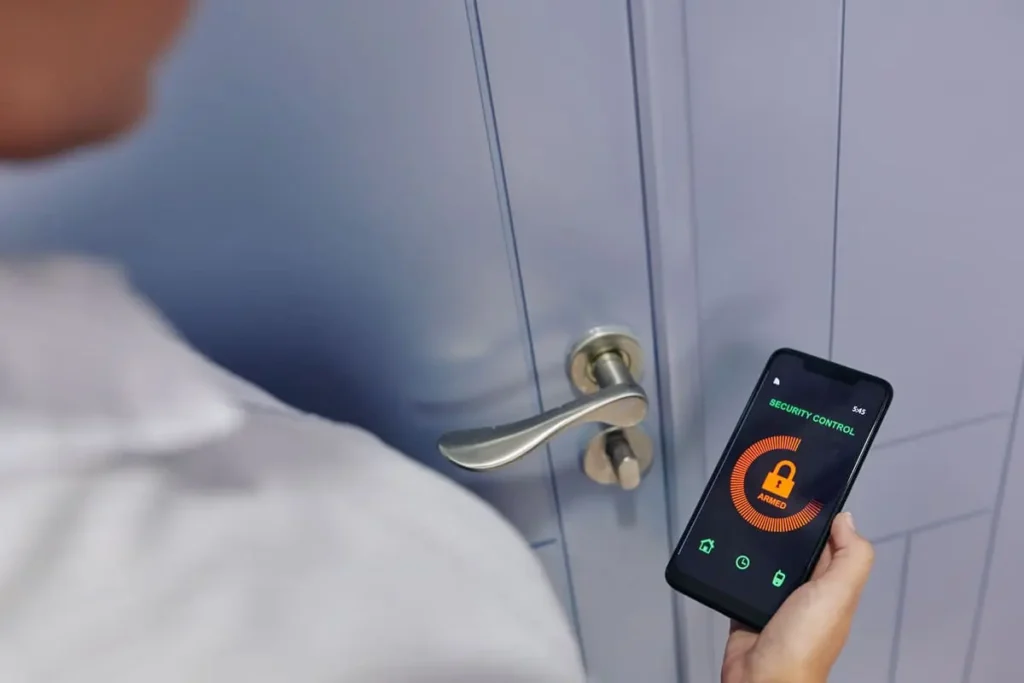
Nothing’s perfect these days, not even the most advanced smart locks. In theory, hackers can break into anything that involves technology, including smart locks.
Realistically, it’s less likely to happen. Most thieves rely on force to break into homes. The more advanced ones rely on classic equipment to steal cars or unlock doors. They’re less likely to hide by your door with a laptop to try to hack your smart lock.
If they were that clever, they’d probably do this to a bank or a celebrity’s house.
Thieves are more likely to go for the easy target. Too much technology is difficult to break through. It also shows that you may have other advanced security systems. At the end of the day, no one really wants to take such a risk.
From this perspective, hacking is more about copying your code or finding your fob if you lose it.
To add an extra layer of security, many brands enhance their smart locks for the home with encryption standards and regular updates. Therefore, make sure to update locks or software whenever newer versions are available to patch any security flaws.
Keep your wireless network protected with a password, choose a strong PIN and stay away from cheap unbranded locks.
Do Smart Locks Work on All Door Types?
Smart locks don’t work on all door types. Their compatibility depends on the material, the locking mechanism, the current lock and even the thickness of the door. For example, uPVC doors require particular multipoint-compatible locks.
Sliding and French doors are the most sophisticated ones in terms of installing smart locks. Wooden doors are the easiest to deal with.
Door thickness ranges between 35mm and 50mm for most residential homes. Compatibility also depends on the back-set measurement, which is the distance between the edge of the door and the central part of the lock hole. Check the power source too for compatibility if you plan on running wires.
Check all these things before you make a purchase to avoid disappointment and costly returns.
What Happens to Your Smart Lock When the Power Goes Out?
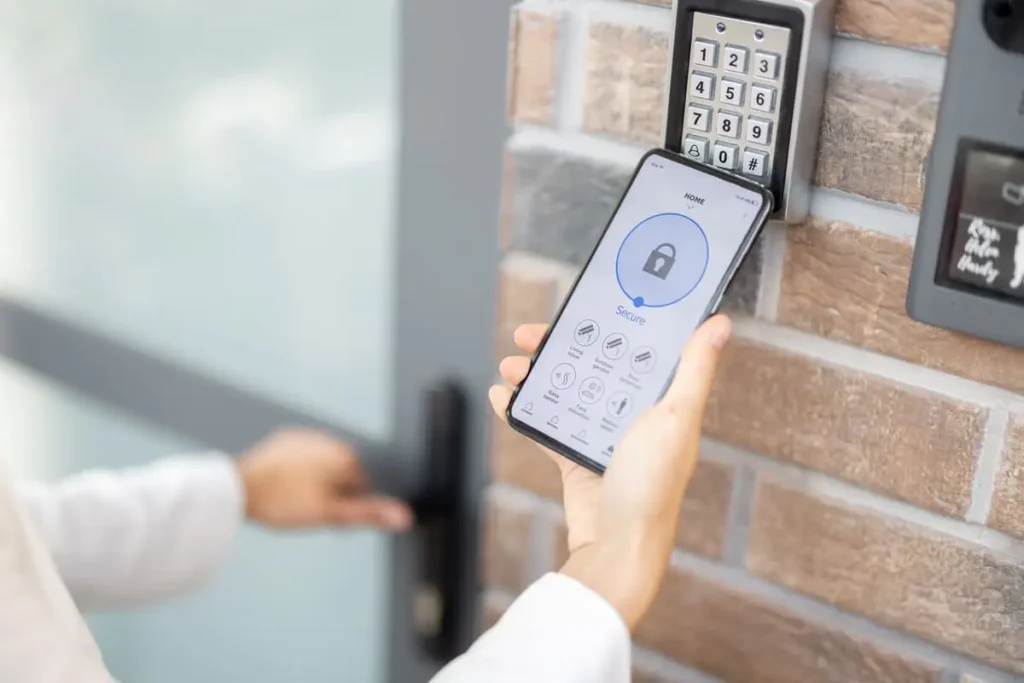
This may look like a deal-breaker, but don’t worry about it. If there were no backup, smart locks would be completely useless, especially since power cuts can be quite common in certain residential areas.
Professional smart locks for home tend to come with backups. They may have batteries, which keep the locks working when the power goes out.
Some others don’t have batteries, so there’s nothing to replace, but you’ll have backup options like keys or fobs. Many newer models even feature external USB-C emergency jump-start ports on the bottom of the handle.
In other words, while unexpected situations can and will arise, there’s usually a workaround solution available too.
Smart Lock Battery Life: How Often Do You Need to Replace Batteries?
Most smart locks come with batteries that will last between six and 12 months under normal conditions. A big family or a high-traffic entryway can cut that lifespan in half.
When the battery is used as a backup, chances are it’ll last even longer.
Now, some batteries may need replacement when drained, but others can be recharged. Depending on the battery type, you may have to contact the manufacturer for the exact same model. Other locks rely on traditional batteries, so you can buy them from anywhere.
Rechargeable batteries are usually integrated. As for charging them, you’ll usually need to hook them up to a power source through a wire and give them a few hours to top off fully.
Look for smart locks that notify you when the battery is about to drain.
Should You Install Smart Locks for Home Yourself or Hire a Locksmith?
Smart locks are usually easy to install without hiring a locksmith, but you’ll need some DIY experience. Many of them only require the use of a screwdriver and will most likely take less than half an hour. It helps if you’ve changed a lock before, so you know what you’re doing.
Locksmiths are more suitable for difficult situations, such as dealing with extra requirements for sophisticated doors, problematic frames, old doors, mortise locks and so on.
Make sure to go through the warranties and guarantees first. Some smart locks for home won’t have a warranty if you install them yourself, so you may have to call a professional to keep the coverage active.
How Much Do Smart Locks for Home Cost?
It’s hard to estimate the price because different brands have different quality standards and different features. You could get basic smart locks, as well as smart locks with some nice extras, let alone the premium alternatives with plenty of extras like built-in video intercoms.
In theory, smart locks for the home aren’t too expensive. Plus, you invest in your own security. There are, however, some extra or ongoing expenses that may require your attention.
If you have to hire a locksmith for the job, the price will obviously go higher. Some locks come with ongoing subscriptions, which will also add to the price. As for their consumables, batteries will need to be replaced or recharged, yet this expense is insignificant.
Do Smart Locks Track Who Enters And Exits Your Home?
Most smart locks for home come with activity logs. They can track the key user, fingerprint, face and so on, not to mention the time. This data can be stored locally, but chances are you’ll have to get a subscription and keep it in the cloud. It’s just safer and more convenient for remote viewing.
This way, you can keep an eye on the logs at all times, keep track of your family members or kids, just for safety and peace of mind.
Smart locks are also convenient for guests, guesthouses, hospitality businesses and even businesses dealing with deliveries as you can generate temporary access codes.
There are countless reasons why keeping activity logs is useful, even for your own security and legal protection.
Are Smart Locks for Home Worth the Money?
Smart locks are more expensive than classic locks and may raise some questions among those who aren’t familiar with technology. However, it’s relatively simple to figure them out. They’re more secure, convenient and easy to track too, so they’re totally worth it for a modern lifestyle.
They come with manual backups too for, the less technologically-savvy, meaning they work in all conditions, with or without power. You’ll never be left outside.
Bottom line, there are quite a few obvious reasons why smart locks for the home are so popular these days. They’re convenient for families and businesses, kids or elderly people who might lose keys, as well as homeowners who want to keep track of who uses the door and when.
While it may sound like an issue of control, in reality, smart locks are all about convenience and an extra layer of security, as well as your peace of mind that everything is alright at your front door.