
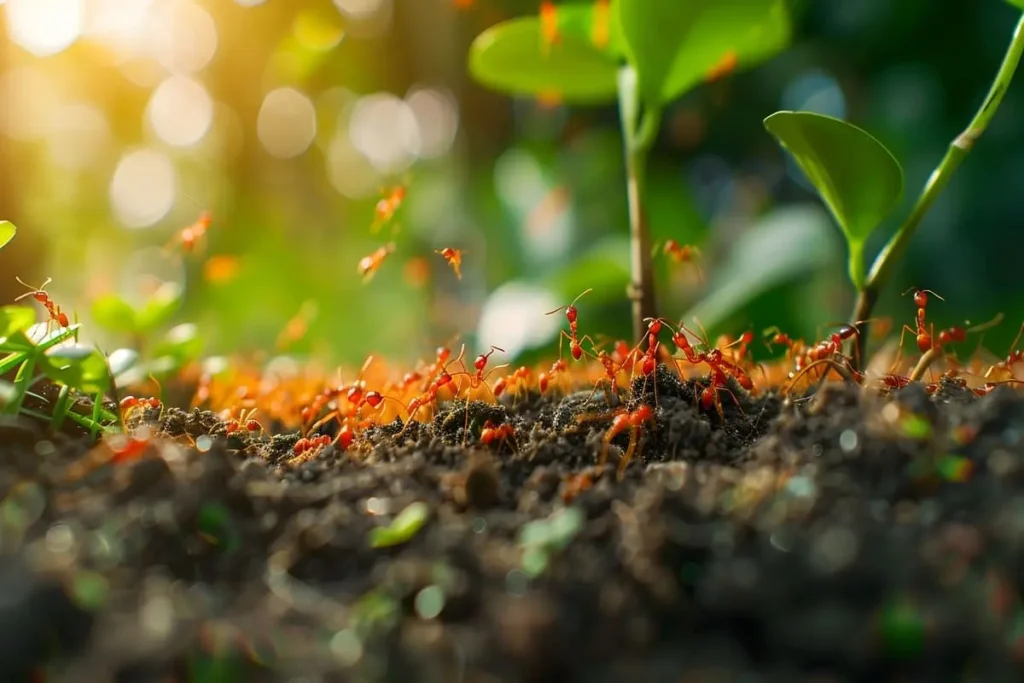
If you’ve ever moved a pot or pulled a few weeds and watched dozens of ants scatter, you already know how common this is. Learning how to get rid of ants in vegetable garden beds matters because, while ants rarely eat your veggies directly, they can sting and make gardening a hassle.
Learning how to get rid of ants in vegetable garden is a challenge because, compared to classic lawns or ornamental beds, you can’t use any random chemical ant killer close to edible crops. This being said, here’s everything you need to know about different methods, their safety standards and effectiveness.
Are Ants Harmful to a Vegetable Garden?
Not all ants are harmful. Some of them are actually beneficial and may help with soil aeration, breaking down organic matter, feeding on some other insects, or even moving nutrients through the soil. In other words, they’re less likely to attack or destroy established plants or gardens.
However, ants can also interfere with your gardening sessions, which might be a problem. Some of them could build nests in your beds, not to mention protecting sap-sucking pests like scale insects or mealybugs. Leafcutter and fire ants should be eliminated though due to causing severe damage to plants and gardeners.
Why Are Ants Attracted to Vegetable Gardens?
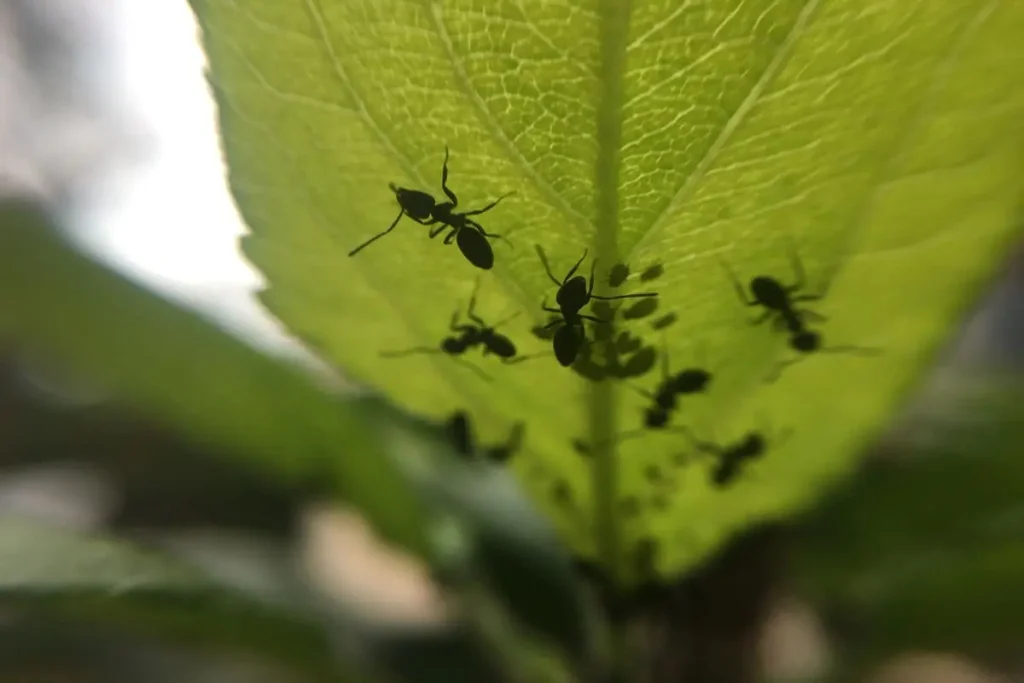
No matter how careful you are, you’ll always find ants in a vegetable garden. Ants in garden soil tend to thrive because the soil is loose and aerated, they have lots of moisture and plenty of organic matter. There are plenty of “obstacles” for shelter, such as pots or stones.
Plus, there’s access to seeds, fallen fruit, debris, honeydew and other things.
Keep an eye on active ant trails and look around or under each thing, from stems and buds to leaves and stones. Some of the main signs of an aphid-related problem include clusters of insects, sticky leaves, honeydew, black mold and ants all over plant stems.
How to Get Rid of Ants in Vegetable Garden
Getting rid of ants in a raised garden bed or other parts of your garden involves following clear procedures and straightforward steps.
Check for Aphids and Other Sap-Feeding Pests
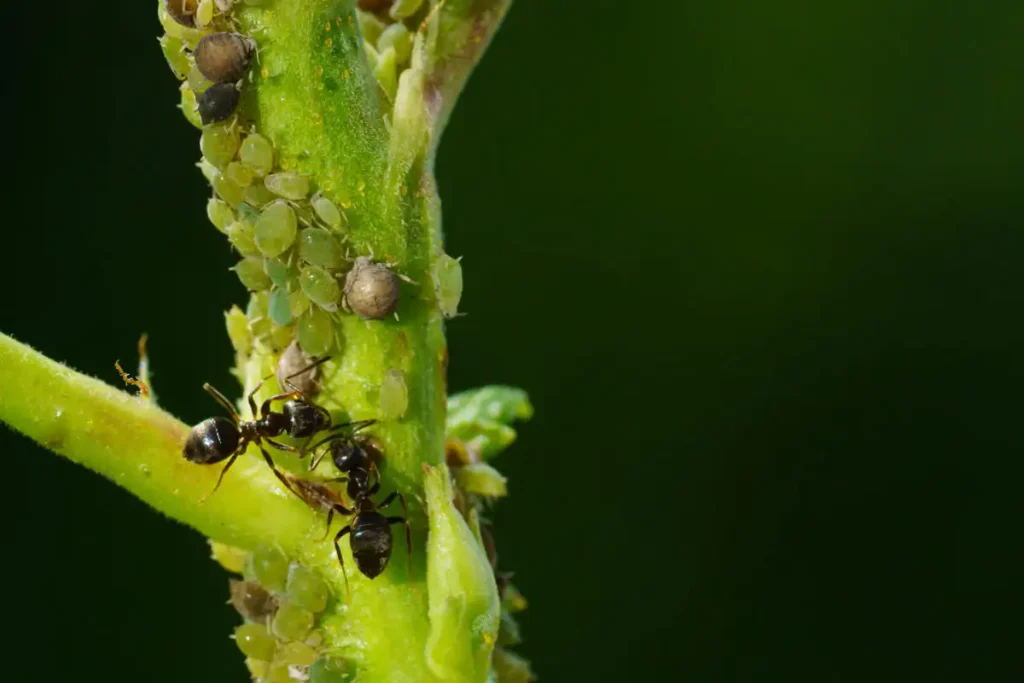
Ants like honeydew from aphids, mealybugs and scale insects, so you’ll often find them on cucumber, squash, tomato or bean plants, just to name a few. Check plants thoroughly, including under leaves. Getting rid of the aphid population isn’t hard, just spray plenty of water using a strong hose nozzle.
Some leaves could be irreversibly infested, so they need removal. Insecticides should be avoided on edible crops. Other than that, don’t get rid of lacewings, ladybugs or other natural predators, as they keep ants away.
Many times, removing the pest producing honeydew will help with the ant infestation too.
Use a Slow-Acting Ant Bait
Professional ant bait is by far the best general option to get rid of ants without harming plants. Bait is intentionally slow. Here’s why. Set the ant bait station, and worker ants will start collecting and taking it to the rest of the ant colony. It will spread around the colony and kill ants.
If the bait acts too fast, worker ants wouldn’t have enough time to spread it around, so it would never reach the queen ant.
Stick to products made for the desired location, as well as products safe for edible crops. Bait goes near trails and entrances to the nest. Rain and irrigation can ruin it, so protect it. Pets and children should stay away from it too.
Some ants may ignore certain types of bait and prefer a different one, so you may need to experiment.
Treat Fire Ants Separately
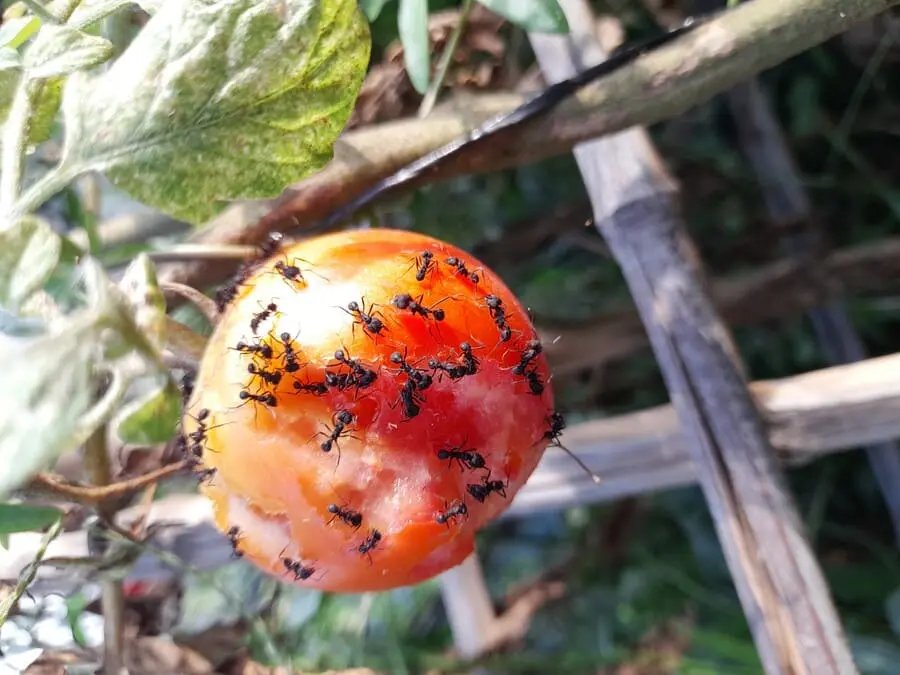
Fire ants are aggressive and can attack you, so they require extra caution. Don’t disturb them until you have a thorough plan in mind. Get a fire ant bait or mound treatment suitable for your veggies. Apply it in dry conditions and give it time.
Like other types of bait (not all of them), fire ant bait is slow, only for it to reach the entire colony. A mound drench could be quicker, but it may not reach that far.
Other than that, make sure to use a product for vegetable gardens, not for lawns. It’s just a matter of health and safety.
Use Diatomaceous Earth for Temporary Control
Diatomaceous earth destroys the protective outer layer of insects, including ants, as long as they crawl through it and get in touch with its active ingredients. It’s a great ant killer, safe for vegetable gardens, around containers or raised beds, close to active trails, and around ant nest entrances.
While effective, diatomaceous earth isn’t perfect. It loses its effectiveness when wet, so it requires regular reapplications in wet weather conditions. It’s effective against worker ants, but it doesn’t make it all the way to the nest.
It can be harmless if inhaled, but it’s also contraindicated on plants or flowers used by beneficial insects or pollinators.
Use Hot Water Only in Suitable Locations
Hot water can destroy a nest or mount, but you need to know precisely where the nest is. It should be visible, away from plants and roots and easy to reach.
Boiling water from a kettle could hurt you, damage roots and even harm soil organisms. In fact, it’s also recommended against weeds in unusual places, such as on your driveway or by the house. You may not even reach the whole ant nest, but it’s worth a try.
Disturb or Repot Small Colonies
If you’ve just noticed a young or small colony of ants and aphids moving into your garden bed or area for potted vegetables, you can also try to repot it early, before you start seeing ants on tomato plants.
Remove debris and stones used as shelter, but also disturb the soil regularly. Repot vegetables if you can or move infested pots away from different structures.
Regular disturbances won’t kill a colony, but can force it to relocate. Ants could go somewhere else in the bed, so keep an eye on the movement.
Ant Remedies to Avoid or Use with Caution
Here are a few useful solutions to try.
Borax and sugar
Borax can repel ants, but too much of it in the soil can also damage your vegetables or hurt children, pets and local wildlife. Making your own formula can be tricky, hence the necessity to use a professional bait station.
Vinegar
Vinegar can destroy trails, but it takes more disturbance to chase ants away. It can also damage plants and roots, so be careful where you pour it.
Coffee Grounds, Cinnamon, Cornmeal, Grits and Baking Soda
All these elements can discourage ants from settling, but they won’t be too effective against well-established colonies. You’ll need a more professional approach. They are, however, useful for maintenance and prevention.
Household Dish Soap
Household dish soap may look similar to insecticidal soap, but they’re made differently. It can damage roots, organisms in the soil and even foliage, so don’t pour it directly into vegetable soil.
How to Prevent Ants from Returning
Check plants on a regular basis for scale and aphids. Look under leaves, check under stones and boards and so on. Don’t forget about mulch either. Overripe or fallen veggies will also attract insects, so they should be removed.
The same rule applies if you accidentally spill any sugary drinks or food near your garden.
Fix all leaks and get rid of any unnecessary things that could become a hiding structure for ants. Other than that, constantly saturated soil might promote the appearance of ants. If you see any trails, start acting straight away, before colonies become large.
In the end, learning how to get rid of ants in vegetable garden spaces isn’t impossible if you take your time to assess the situation and don’t just buy the first insecticide you can find. Determine whether the problem is actually caused by ants, run a thorough analysis, identify the species and pick the right product.
Keep in mind that focusing on the whole colony or nest is more effective than rushing to kill visible ants. Protecting your vegetable garden is a timely process that requires patience, but it can be done with the right approach.
FAQs
Most ants won’t disturb your established garden, but their behavior could affect it. They may protect aphids or even disturb seedlings, not to mention interfering with your gardening activities.
Ant bait that’s formulated for the area, location and type of ants is usually the best option. It’s more effective than spraying ants directly. Make sure that it’s safe for edible crops though.
Use bait based on the instructions and location. Keeping it enclosed won’t expose it to the soil, but then, it should still be specifically made for vegetable beds.
Diatomaceous earth will only help you get rid of exposed ants, but it won’t reach the ant nest, ant colony or queen ant.