
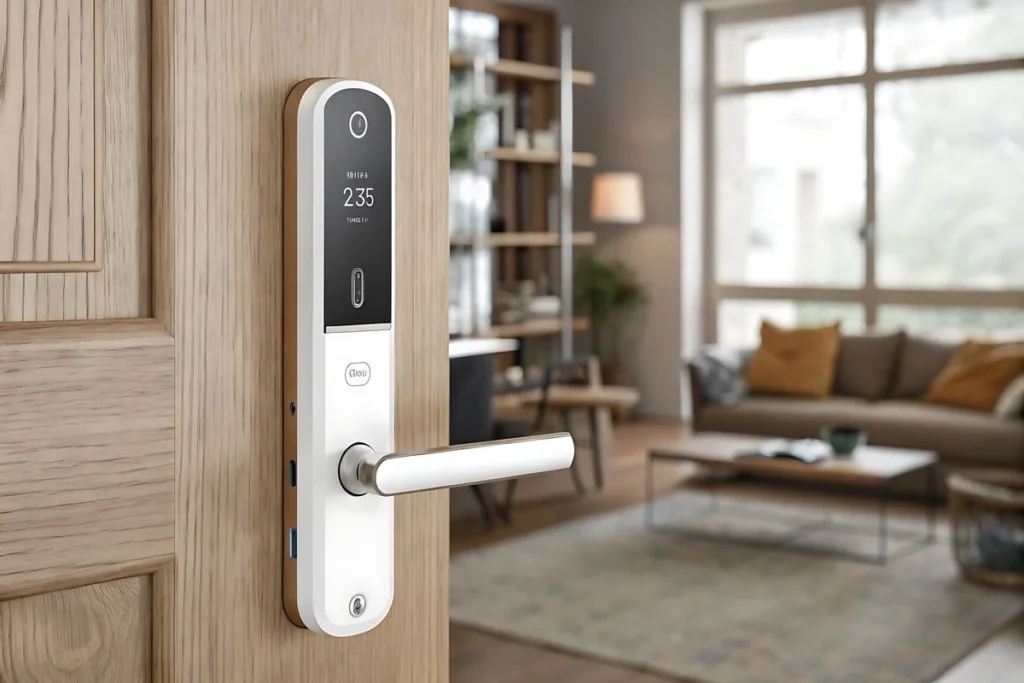
The smarter your home is, the easier and more convenient it becomes to control everything for your peace of mind. And if you already have a smart system like Alexa or Google Home for support and assistance, chances are you want everything to work together in perfect compatibility.
You want your Ring doorbell to connect to the home assistant when needed, not to mention lights and a few appliances. How about a smart lock too then? When it comes to security and convenience, nothing beats smart locks. So, what smart locks work with Ring or home assistants?
Let’s take a look at compatibility standards and potential matches.

Why Compatibility Matters Before You Buy
Compatibility is extremely important before buying smart locks for your home or business. It determines whether the locks can integrate with your current system or require an external hub. Great compatibility also means that smart locks respond immediately, not to mention the positive impact on overall battery lifespan.
Wi-Fi is direct and convenient, but drains the battery much faster. Bluetooth saves battery, but it’s a short-range option with integration limitations. Z-Wave repeats the signal for compatibility, but has its own ecosystem necessities.
Understanding how smart locks work and communicate will help you determine which kind of compatibility to look for, depending on your available systems.
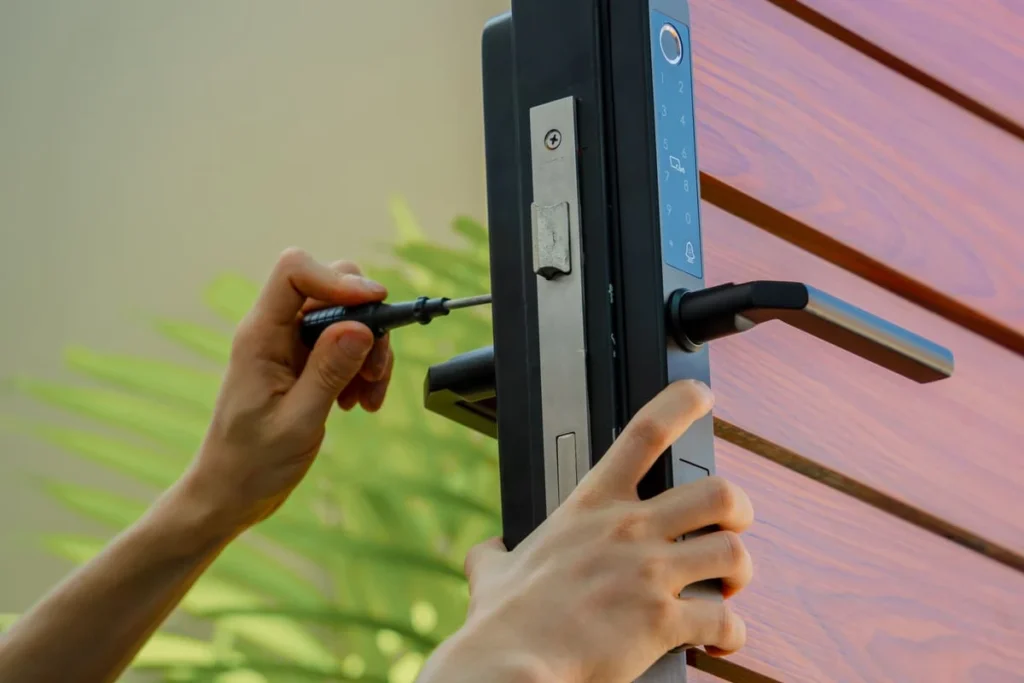
Smart Locks That Work With Ring
So, which smart locks work with Ring? First, compatibility means that your smart locks can connect through a wireless connection to the Ring security system. You can control the lock through the Ring app. You can also view events in a synchronized manner.
Ring compatibility means the two can work together. App-level integration means you can manage smart locks through the Ring app. In other words, when you set the Ring mode at home, your locks may also disarm. When you choose to arm the doorbell or cameras, locks will arm too.
Once they connect, you have full control of the locks, but you can also view activity logs and user access events based on whichever system is triggered.
Now, some smart locks also come with their own mobile apps. They have their own systems, which may or may not be compatible with Ring. However, they’re less likely to fully integrate then. Figuring out what smart locks work with Ring involves doing some research and checking reviews or descriptions.
If video verification matters most to you, look at smart door locks with camera instead of relying on doorbell sync alone.
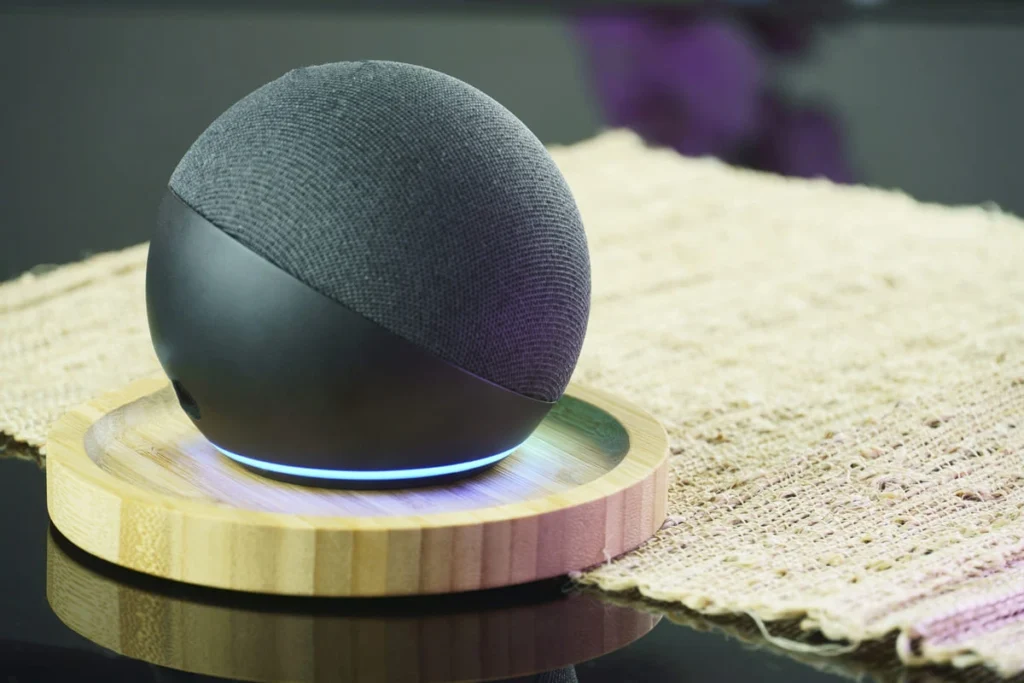
Smart Locks That Work With Alexa
Now, which smart locks work with Alexa? Alexa integration or compatibility works differently. Unlike Ring, Alexa isn’t just a doorbell or a security system, but an assistant that controls pretty much every smart device in your home.
Once integrated with Alexa, your smart locks can be activated or deactivated with nothing but your voice. You can call Alexa and ask the assistant to lock everything before going to bed, for example.
Now, it’s worth noting that compatibility is often limited in this particular case. You’d think that almost every advanced smart lock out there should be compatible and easy to control via Alexa. Wrong! In fact, some of the most advanced locks restrict voice unlocking for safety reasons.
Some locks deactivate this feature to prevent accidental triggers, voice impersonation or even voice commands from the outside. Activating the lock or locking the door by voice control is accepted and widely supported though.
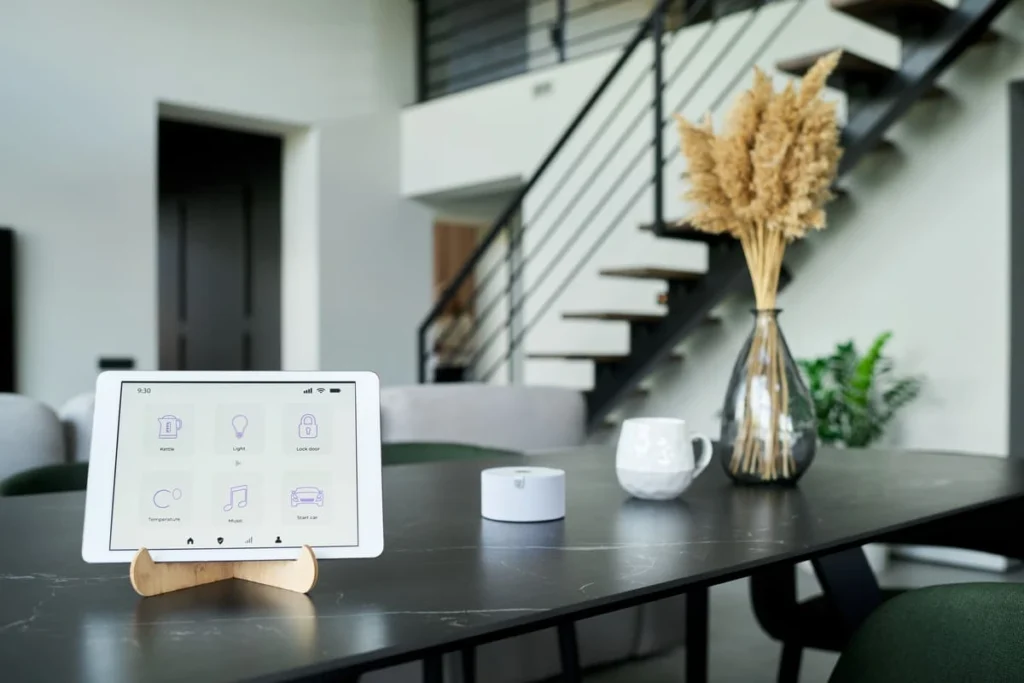
Smart Locks That Work With Google Home
Now, what smart locks work with Google Home? From many points of view, Google Home and Alexa are similar. However, Alexa has a broad range of products in terms of compatibility. Google Home does support big reputable brands like August, Nest, and Kwikset, but Alexa offers more versatility across niche models.
Both systems allow locking or unlocking doors, yet Google Home tends to focus on conversational commands and native ties through proprietary ecosystems like Google Nest.
You’ll notice some differences in how compatibility works too. For example, you can tell Google Home good night and the system will arm alarms, turn thermostats down and lock all doors. Alexa doesn’t work like this. You’ll have to be more specific with each command in particular.
Smart Locks That Work With Vivint
Going down the ladder of compatibility, Vivint is even more limited. If Alexa dominates the spectrum of compatibility, Vivint normally runs within a closed ecosystem, meaning you’re limited to a few smart locks only.
Vivint relies heavily on the Z-Wave technology. So, what smart locks work with Vivint then? It does work well with a few major brands, such as Kwikset and Yale, but this limitation means that you may not always find the features that you truly need.
One thing to remember: set your priorities straight and don’t compromise on core security features for anything. Check out the hardest lock to break if security is your top priority before you factor in smart features. The security of your home and family is more important. You should, indeed, be able to find something suitable. But if you don’t, simply forget about compatibility or integration and use two different systems.
How to Check Compatibility Before You Buy
Like with other gadgets or systems that might require compatibility for your convenience, there’s no other way to figure it out but by researching upfront. Check out product specifications and compatibility standards on official datasheets.
Some brands even include compatibility with major names in their descriptions, only to make it easier for buyers. So, some brands could mention that their smart locks are already compatible with Alexa, Ring or Google Home, for example.
On the same note, smart home compatibility written all over the packaging doesn’t necessarily mean that a smart lock could work with the above-mentioned systems. They could work with one or two brands only (proprietary brands too). It could be confusing, but that’s why you’ll have to dig deeper into user manuals.
Here are a few other things to pay attention to:
- Wireless protocols. Match standards like Bluetooth, Wi-Fi, Z-Wave, Zigbee or others.
- Ecosystem support. Check the native platform support for your smart home system.
- Automation depth. Confirm if integration allows full control and actions or just basic checks.
FAQs
There are a few smart locks that work well with Ring, both reputable brands like Schlage and Yale and lesser-known names. Amazon Sidewalk and Z-Wave integration make compatibility responsive and smooth.
Alexa is compatible with most brands, both known and unknown including August, Ultraloq, and Level. They allow full integration for checks, locking and unlocking with proper PIN authentication.
Smart locks do work with Google Home, but it’s imperative to check compatibility standards, as Google Home features more limitations and requires secure PIN verification than other home security systems.
Compatibility of Vivint systems is limited, as the brand is mainly known for its closed circuit operation. For best results, pair Vivint systems within the brand.
Conclusion
Bottom line, understanding how smart locks work and communicate is essential in figuring out compatibility standards. With so many smart locks for home, choosing the perfect unit can be tricky, especially if you’re also looking for integration with smart home systems or other security systems.
Most people already have some sort of virtual or digital assistance in their homes. Therefore, integrating smart locks is mainly about checking compatibility with these systems. Fortunately, there are quite a few good options, regardless of your current system or hub setup.
When making a decision, do it with your personal needs and expectations in mind. Think about why you need smart locks and what kind of features you require before considering compatibility with your current system. Sometimes, having different systems throughout the home could be the better option, especially if security is your main priority.