
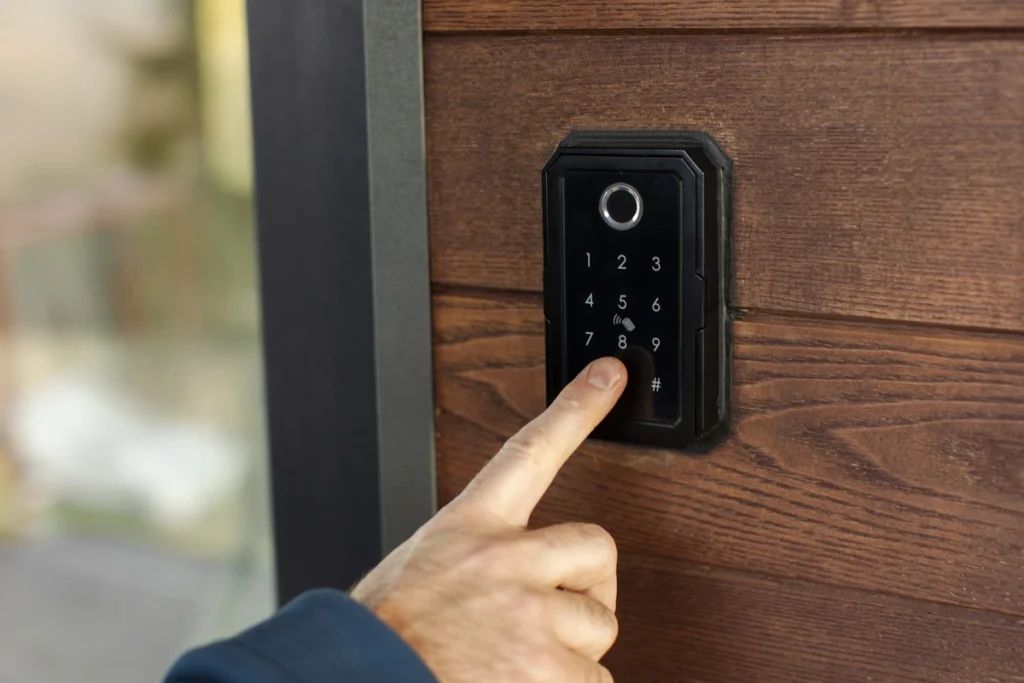
Most people know that there are differences between locks and security systems, but they never expect to be targeted by burglars. Unfortunately, the unexpected may happen out of nowhere, so choosing the hardest lock to break could prevent such issues.
There’s a massive difference between a classic $20 lock that can be bypassed in seconds and a high-security cylinder built to withstand physical attacks. Here’s everything you need to know about security standards, what makes locks difficult to break and what locksmiths and police actually recommend (and maybe your home insurance company too).
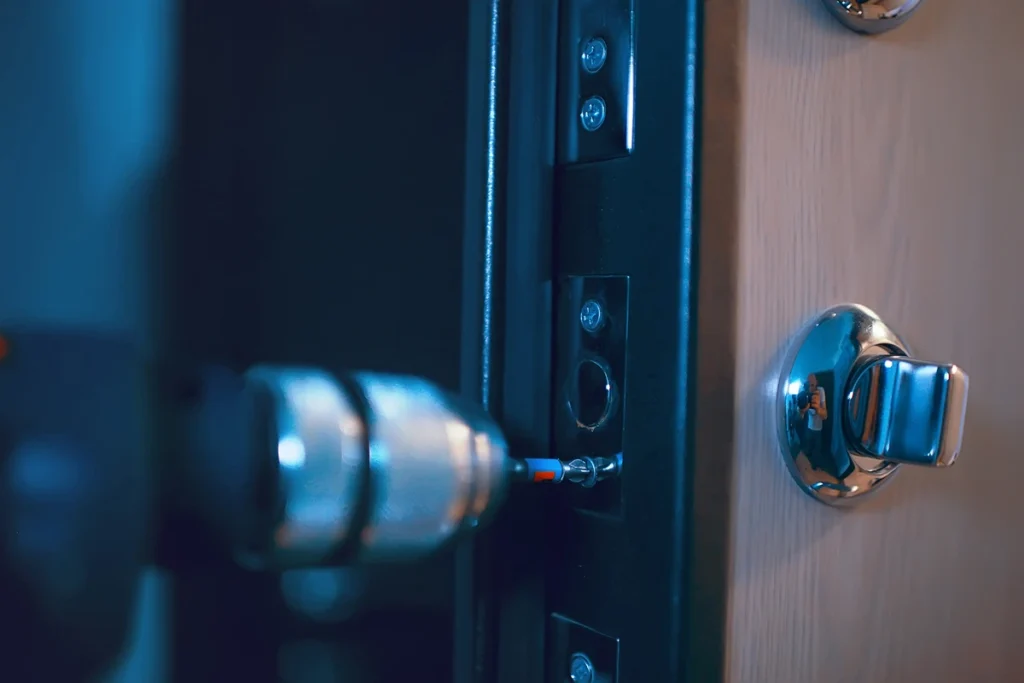
What Makes a Lock the Hardest to Break?
The hardest lock to break is a concept that covers more elements than just physical strength alone. Most experts won’t recommend a certain brand or type, but a mix of features that can prevent burglaries effectively. So, you can’t say that this lock or the other is the best in the world.
Pick resistance is one of them. Locks are often picked as burglars try to break in. Drills and bumps are also common techniques, so a quality lock should have drill and bump resistance too.
Pay attention to the materials and do your homework before buying any hardware. Hardened steel pins and cylinders are highly recommended for maximum durability. Just because some brands use other materials and showcase their benefits, doesn’t mean that they’re better under real stress.
Finally, pay attention to the ANSI grading too. Grade 1 is the best, while Grade 3 is the lowest.
Keep in mind that the deadbolt itself is only the most important thing. Other parts matter too, such as the door frame or strike plate, since burglars can break in other ways too, not just by forcing your lock.
Bottom line, the hardest lock to break should follow all these standards and feature a professional design that resists multiple attack methods. Therefore, it pays off to stick to reputable brands, rather than cheap, unbranded locks that offer little protection.
What Locks Cannot Be Bumped?
Lock bumping is a lock-picking technique that relies on a custom bump key and a blunt object. When used together, the two can force open a pin-tumbler lock by forcing internal pins to jump for a fraction of a second.
Some locks, in particular, are built to resist this technique, such as sidebar locks. Other than that, high-security locks featuring PINs or keyless electronic entry can also resist bumping, since they require an actual code to lock or unlock.
Given how easy it is to find such tools in commerce, lock bumping is currently one of the most common techniques used by burglars. If you’re like most people, you probably imagine that it’ll never happen to you. Bad attitude! Don’t wait until you’re sorry for ignoring it.
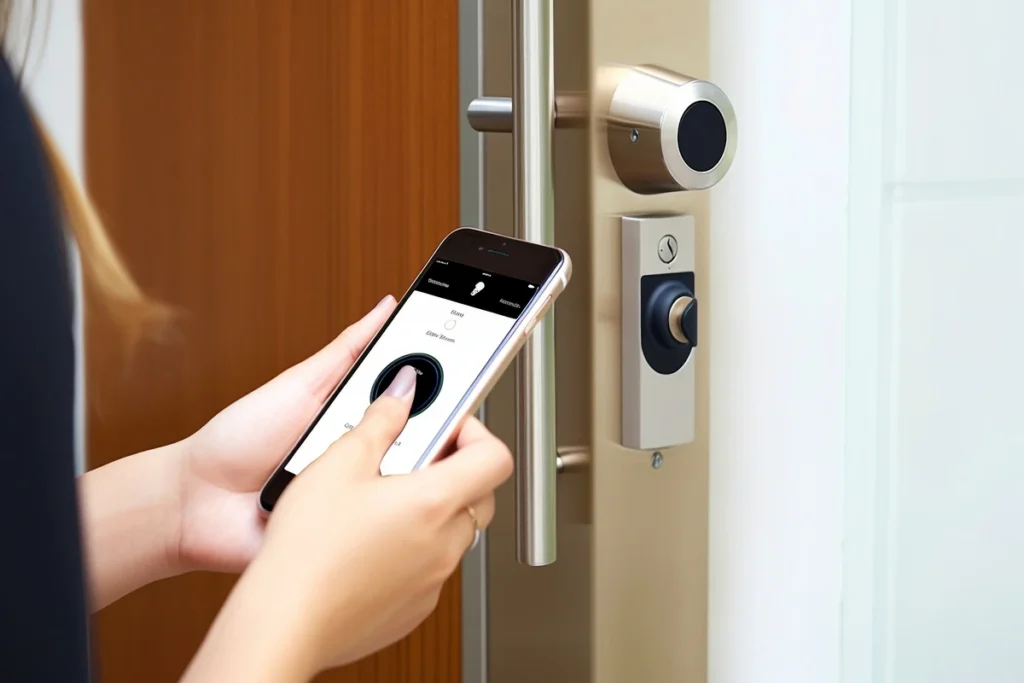
What Locks Do Locksmiths Recommend?
Based on all these, the hardest lock to break should meet different standards that cover both durability and security.
For instance, make sure that you purchase ANSI Grade 1 locks only. While other grades will most likely be cheaper, the difference is just not worth the risk. Extra security features obviously help in the process, but try to stick to reputable brands only.
Don’t just buy a random lock from a random shop. Instead, go to reputable stores and focus on renowned brands with a good reputation and proven track records. They have the technology to produce high-quality units with restricted keyways.
Most locksmiths also agree that the brand, design and security standards aren’t everything. A poorly installed lock can cancel all the security and benefits, since it can be relatively simple to break or pry open.
Sure, you can install some locks yourself in DIY projects, but difficult projects like old doors or certain materials may require professional help. If you’re not sure what you’re doing, your best bet is to hire a locksmith for the installation too.
Besides, keep in mind that some stores won’t give you a warranty if you install the lock yourself. Basically, doing it yourself will void all the documentation. Should anything unexpected arise (such as someone breaking into your home or the lock failing to offer protection), your warranty won’t cover you.
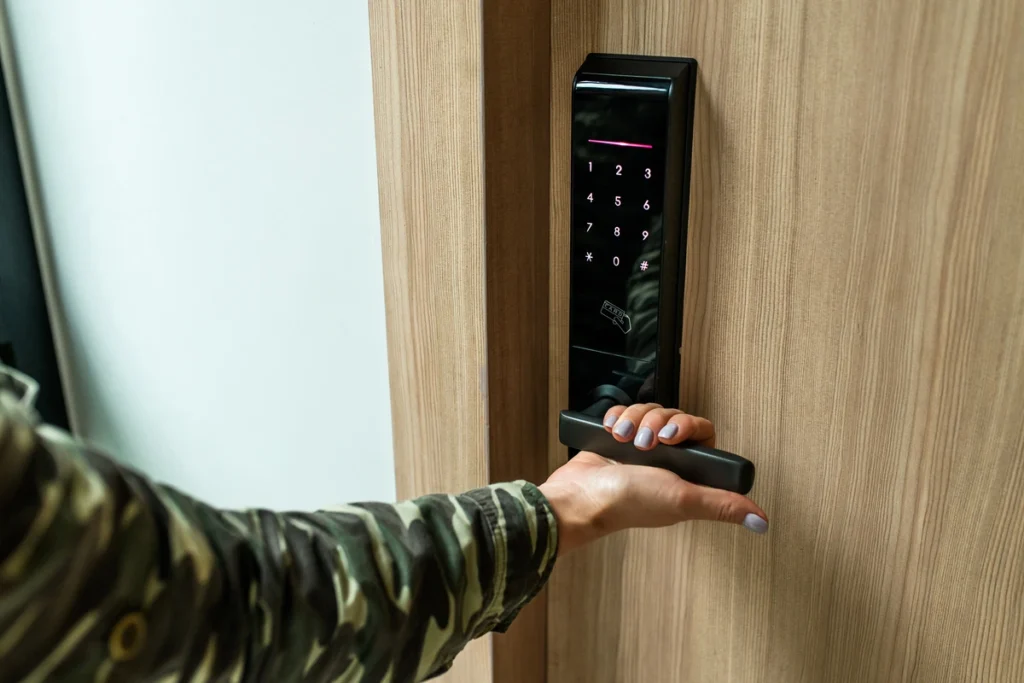
What Locks Do Police Recommend for Doors?
The Grade 1 rating is a common recommendation from everyone, whether the police or professional locksmiths. The rating features the ultimate standards in home security, so you just can’t go wrong with it.
Then, there are extra features that could make locks more difficult for thieves and slow down forced entry attempts. The hardest lock to break should also have deadbolts with one-inch throws, which add to the physical strength and stability against heavy kicks.
Apart from picking and bumping, some burglars focus on strike plates and tackle the lock from a different direction. Therefore, reinforced strike plates are among the main recommendations from the police and professional locksmiths.
It’s worth noting that no matter how good the lock is, the whole door should act like a protective mechanism against intruders. The door material and strength are important too. The frame is just as important to resist splitting.
Putting the hardest lock to break on an old and crumbling wooden door won’t really protect your home. Most burglars won’t even bother with the lock, but try to work around it, especially around the frames.
Therefore, when investing in the security of your home or business, try to see the lock as part of a bigger image, rather than the only form of protection against burglars.
So, What Is the Hardest Lock to Break?
The hardest lock to break is a concept that’s difficult to define without considering your specific door setup. Go to 10 different stores and ask this question. Chances are you’ll find six different answers, based on what they store, as well as the employees’ personal experiences.
No lock is unbreakable. No matter what modern technologies you bring in, there’s someone out there who can still break in. The goal here is to showcase a strong and solid security system that revolves around quality locks. This is likely to deter most burglars, since they usually go for the easiest target.
Choosing the Right Mix of Features
So, while full security is impossible to achieve, what you can do is enhance your protection against local dangers. From ANSI Grade 1 locks to solid bolts and reinforced plates, these things will be difficult to break through. If someone does try their luck, they’ll be seriously slowed down, giving you time to react.
The hardest lock to break doesn’t come from a particular brand. It’s not a specific model. Sure, some models feature more recommendations than others. Some brands have a better reputation. But then, look for a mix of features and security standards, rather than just one thing in particular.
This is about security, protection, value for money and price. And, of course, on top of all these, make sure a professional installs your lock, especially if you’re not 100% sure of what you’re doing.
In the end, figuring out the hardest lock to break requires a bit of research. Don’t hesitate to look for recommendations and reviews, learn more about brands and specific models.
Whether you’re looking for traditional locks or smart locks for home, keep in mind that such classifications won’t necessarily affect your security and safety when installed on a solid door. Sure, smart locks are more convenient and may offer more layers of protection, but there are times when a traditional lock is better than anything else. If you do go the smart route, a smart door lock with camera adds a layer these break-in protections don’t cover on their own: you actually see who’s testing your door, instead of just hearing about it after the fact.
No matter what you go for, look for value for money as well and don’t make your decision on the price alone. Understanding what locksmiths and the police deal with can also help, especially since locksmiths can often make superior recommendations based on your needs.