
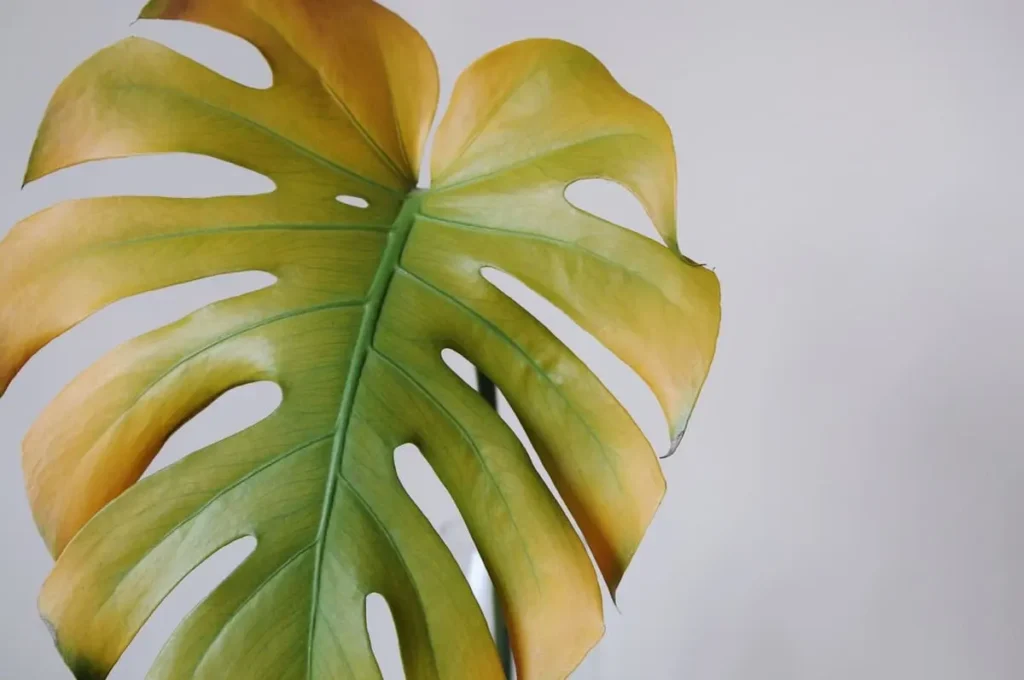
Monstera leaves turning yellow could have different causes. The bad news is that the fix for one cause could be contraindicated for another, so you’ll need to dig deeper and identify the causing factors before deciding on a solution.
This being said, this guide will take you through all the potential causes, teach you how to identify them properly and showcase the optimal solutions so you can nurse your plant back to health with confidence.
Is This Yellowing Normal, or a Real Problem?
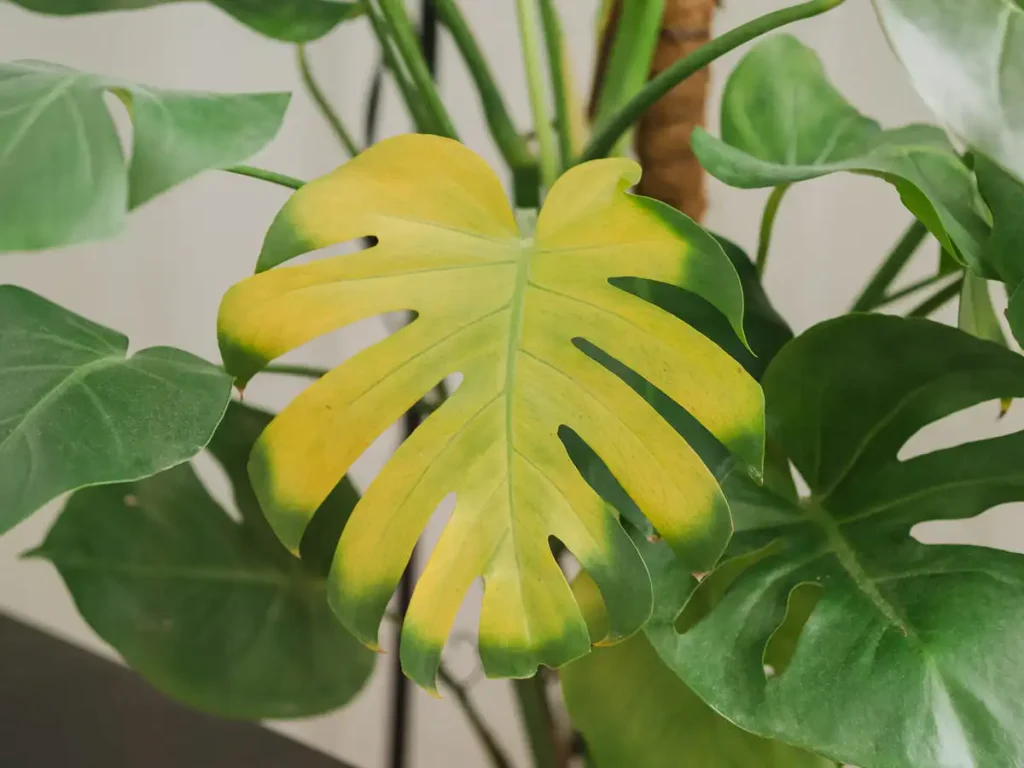
If you see yellowing in some of the old leaves at the bottom, but you can also spot new growth at the top, that’s perfectly normal. It’s just the plant aging and regenerating, so there’s nothing to worry about. It happens because Monstera directs its energy and resources towards new growth, rather than old leaves.
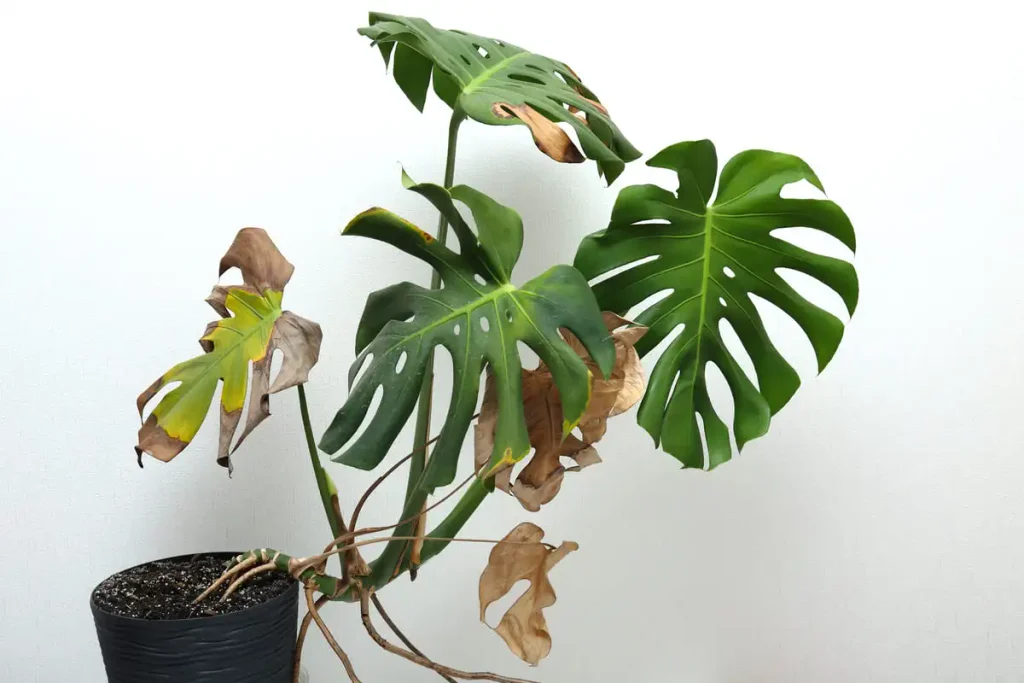
Most plants go through this process, which is natural.
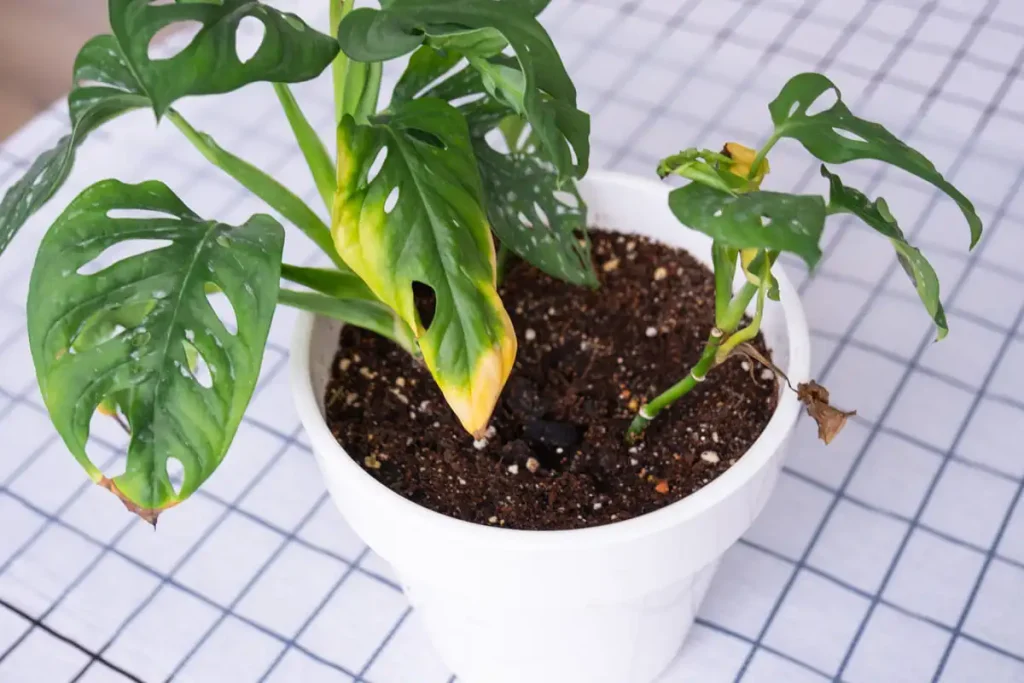
However, you know you have a problem when you see top, new or young leaves turning yellow. Also, natural aging affects a few leaves at a time. If you notice more leaves turning yellow at the same time, chances are you have a problem.
Besides, you should also worry if you don’t see new growth towards the top.
How to Actually Check If You’re Overwatering
When you’re told to check the top inch or a few inches, you don’t always have to stick your finger in. Instead, get a wooden skewer and push it in, all the way to the bottom. Give it a few seconds, then pull it slowly out. Look at what’s stuck to the skewer.
If you see soil, the respective part is wet, even if the top looks dry. In other words, if most of the skewer has soil stuck to it, it’s still wet and doesn’t need watering.
Generally speaking, overwatering is the most common issue in terms of Monstera yellow leaves. Most people see the top looking dry and go for it, without actually checking what’s underneath. Guesswork can cause severe problems in the long run, hence the necessity of the skewer test which gives you an accurate snapshot of the entire root environment without guessing.
How to Check the Roots for Rot
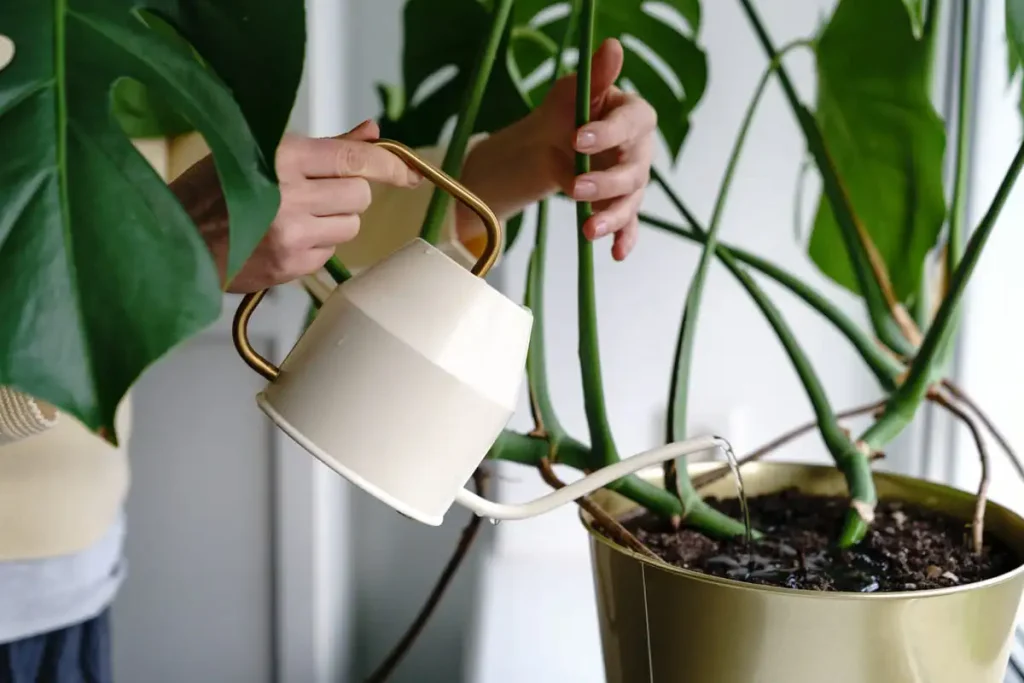
If you notice Monstera leaves turning yellow while the soil stays wet, inspect the roots for signs of rot. Many plants are affected by rot throughout their lifespan. It doesn’t mean that they’re compromised though, as this problem can be easily checked and eliminated. It’s a dirty job, but it can be done without damaging the plant.
To slide it gently out of the pot, you can stick your hands on the sides and squeeze everything. Tip the pot horizontally and take it out. It’s easier than digging soil from the top and prevents accidental tearing of main anchor roots.
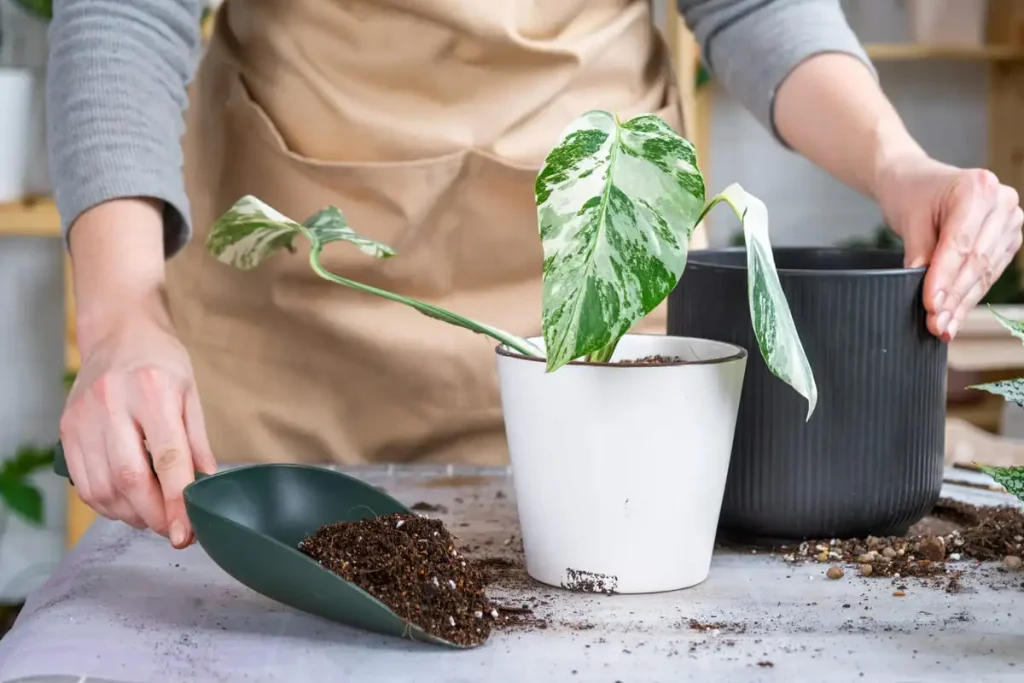
Roots should be white or light brown. They should be firm too. If you see any dark parts, simply trim them away using clean, sterilized pruning shears. The same rule applies to mushy parts, let alone parts that smell funny like sour, decaying compost. Also, if some parts squish apart when you squeeze them, that’s rot and must be eliminated.
Once you’re done, re-pot the plant into a fresh, well-draining aroid mix containing chunky perlite, orchid bark, and peat moss.
Did You Recently Trim Aerial Roots or Move the Plant?
While sometimes re-potting is a must, trimming aerial roots or moving the plant could also cause Monstera yellow leaves. So, why is my Monstera turning yellow in this case? Some people trim aerial roots just to make the plant look tidier, but that’s a disturbance that will yellow the leaves.
The plant takes it as damage and may redirect its resources to regenerate, so leaves will go yellow. It has nothing to do with watering problems though.
Other than that, even moving the plant from one location to another in your home could be an issue. When it comes to Monstera care, it should stay in the optimal place. If you do need to move it, pay attention to the yellowing leaves. That’s a normal process, so keep an eye on the plant.
Give it a few weeks to recover. If it doesn’t recover, the cause is different and warrants a close inspection of light, airflow, and temperature exposure.
Just Repotted? Don’t Do This One Thing
Normally, when you check the roots for rot, your instinct is to remove the affected parts. That’s actually recommended, as it will most likely heal the plant. Unfortunately, many owners don’t do it properly, so they also target healthy parts.
For example, stripping away all the wet soil and starting with a new system isn’t always a good idea. If you do expose the roots, you’ll see tiny, thin hairs everywhere. These parts do most of the work though, as they absorb nutrients and water from the soil. It’s not the big root ball, but these tiny hairs.
Removing these elements can damage the plant even more or even kill it.
When looking for rot, make sure that you protect these tiny hairs. Only remove the parts that are visibly damaged. Everything else, from the root ball to the tiny hairs, must be left untouched.
Monstera does have the power to heal itself if looked after. However, over-intervening can cause Monstera leaves to turn yellow.
Other Causes Worth Ruling Out
Monstera leaves turning yellow may have multiple causes. Here’s a brief explanation of other, less common issues that may cause the problem.
- Not enough light. Generally speaking, not having enough light will hinder growth. However, it can also cause leaves to turn yellow if the problem is severe.
- Low humidity. Compared to other houseplants, Monstera requires a higher degree of humidity. Low humidity will cause leaves to go yellow. The problem starts with crispy brown edges, so you can identify it early before entire foliage sections begin yellowing and shriveling.
- Pests. Spider mites are the most common pests of indoor plants. They can put extra stress on the plant, which, in turn, causes the leaves to turn yellow. When checking for spider mites, look on the undersides of leaves for fine, dusty webbing and tiny speckled discolored dots.
- Nitrogen deficiency. This issue tends to occur during the growing season. Most leaves go pale. Fortunately, the problem can be fixed with a well-balanced liquid fertilizer. Make sure that it’s suitable for Monstera though.
Can a Yellow Leaf Turn Green Again?
Generally speaking, Monstera leaves turning yellow is an issue that won’t recover the affected leaves. Why is my Monstera turning yellow? Any of the above causes could be the issue, yet they can usually be fixed.
However, yellow leaves have lost most of their chlorophyll. They’re less likely to get it back, so they’ll probably just dry and die off. Don’t wait for leaves to recover because it’s not going to happen. Sure, the plant can recover and thrive again, but the affected leaves are gone for good.
To get rid of them, simply trim them off at the base once they’re fully yellow.
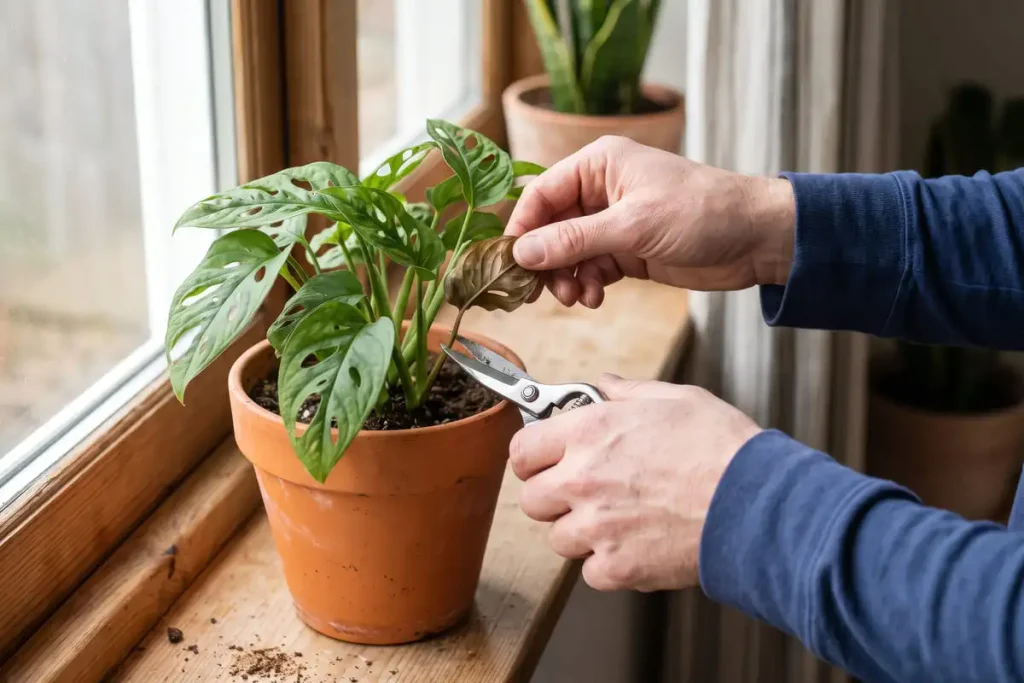
While your Monstera won’t get the affected leaves back, cutting them off gives the plant the chance to focus on new growth, rather than try to restore old leaves. Clearing yellow leaves isn’t a standalone action. If you don’t identify and eliminate the cause, other leaves will follow in rapid succession until the underlying stressor is resolved.
FAQs
A clear watering schedule is a good idea, but you should still check upfront if the soil is dry, as the plant’s needs change. You can still underwater or overwater, depending on the season, temperature or available light.
Should I cut off yellow Monstera leaves?
Yes, but only when they’re fully yellow. They won’t go back to green, so getting rid of them will tell the plant to redirect its resources to further growth, rather than dead leaves.
Is it normal for a new Monstera to have yellow leaves?
Sometimes, leaves go yellow when the plant is moved or re-potted. It’s worth keeping an eye on it, yet this is perfectly normal. If it doesn’t go back to normal in a few weeks, try to find the underlying cause.
How often should I water my Monstera?
There’s no general rule. It depends on the plant’s age, the type of soil, season, temperature, humidity, light and even pot size. Always use the skewer test before deciding whether to water the plant or give it more days to ensure roots stay aerated and healthy.
Can trimming aerial roots hurt my Monstera?
Yes. It’s a form of stress, so it can cause some leaves to turn yellow. It shouldn’t affect the plant in the long run, but generally speaking, try not to touch aerial roots, even if they look messy as tucking them back down into the pot soil is far safer than cutting them.