
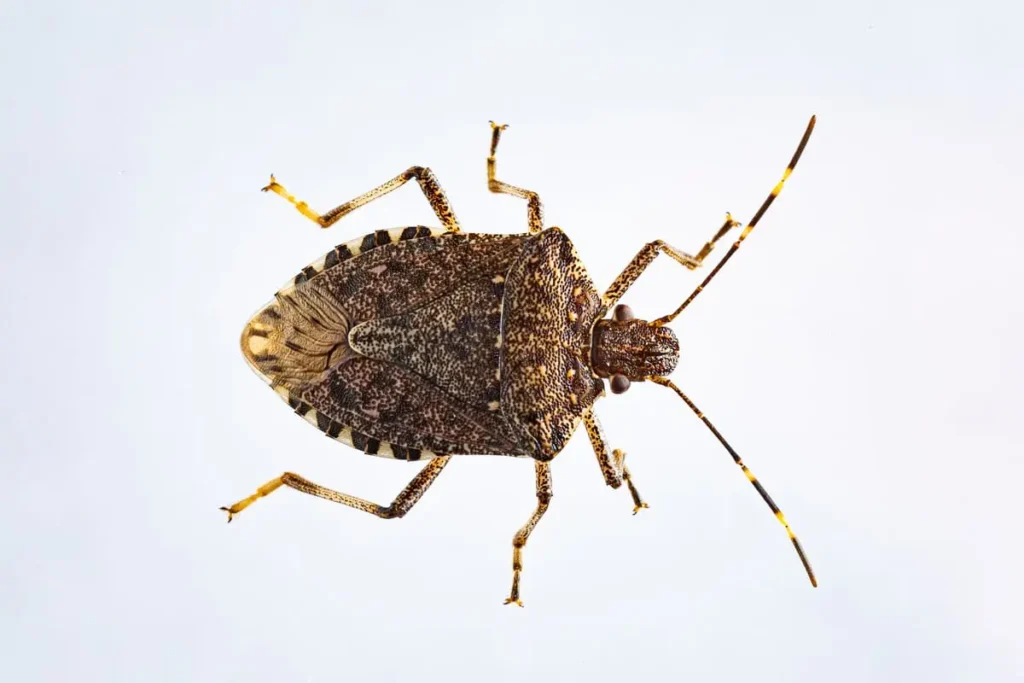
You see one on your curtain, grab a Kleenex, and stop. How can this bug smell so foul? Does this bug do anything besides cause problems like ruined tomatoes and an awful stench in the room? What happens if you eat a stink bug by accident, say it ends up in your drink or on your food?
The quick answer is straightforward. Stinkbugs play the role of both predator and prey. The brown marmorated variety becomes a pest when there is a large population in agricultural crops or in the home. If you swallow one by accident, it isn’t particularly harmful.
What Happens If You Eat a Stink Bug?
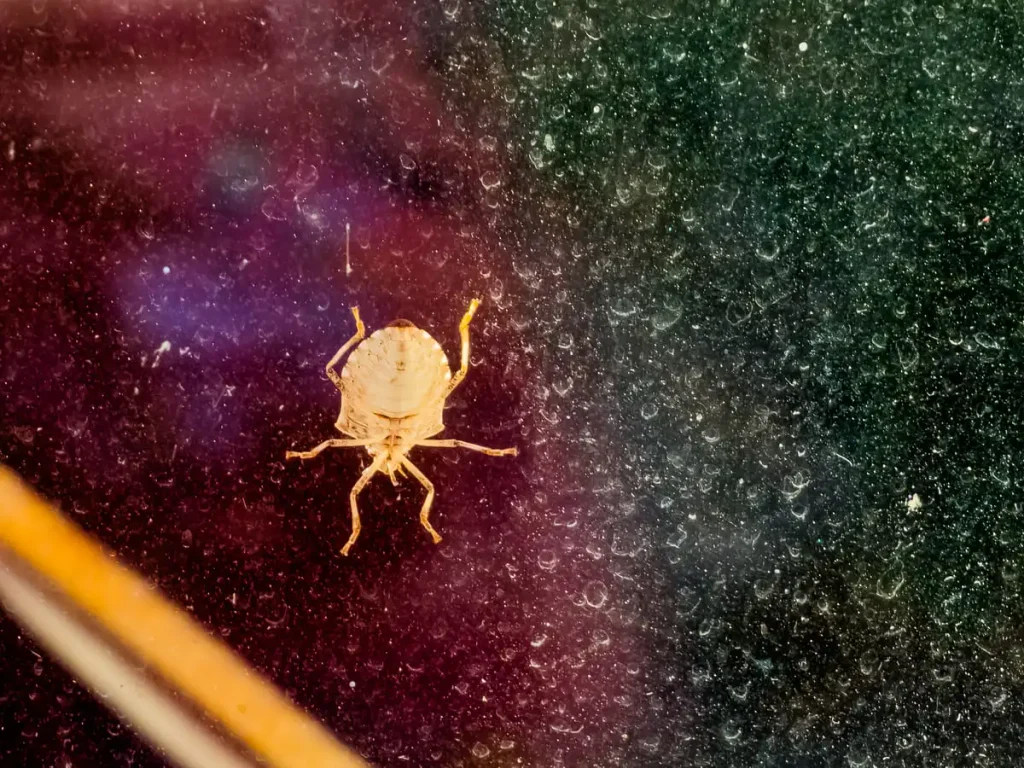
If you are wondering what happens if you eat a stink bug, expect a bad taste before anything else. Stink bugs spray their defensive chemicals when something squashes, gnaws on, or intimidates them. They might have an unpleasant taste that is either bitter, pungent, or acrid.
There is nothing in stink bugs that makes them dangerous for people. Usually, swallowing them once will produce no symptoms or only some mild ones, which might include mouth irritation, nausea, abdominal upset, and vomiting. According to Poison Control, young kids tend to taste these insects and there is no serious concern regarding such accidents.
It is necessary to rinse your mouth and drink several glasses of water. You should not induce vomiting. If the liquid came into contact with an eye, flush it under running water. Call Poison Control in America at 1-800-222-1222 or use the online poison control service of the organization.
Allergic reaction is one of the most common indications that emergency attention is necessary. Allergens can be shared between shellfish and insects, meaning that there is a possibility of reacting to an eaten insect if there is an allergy to shellfish. Problems breathing, wheezing, dizziness, or swelling in the mouth, face, tongue, and/or throat require immediate treatment.
Can You Eat a Stink Bug?
The practical answer to can you eat a stink bug is this: do not eat one that you found on a wall, windowsill, plant, or piece of food. This insect did not undergo collection, identification, cleaning, or processing into food. There could also be pesticide exposure or contamination.
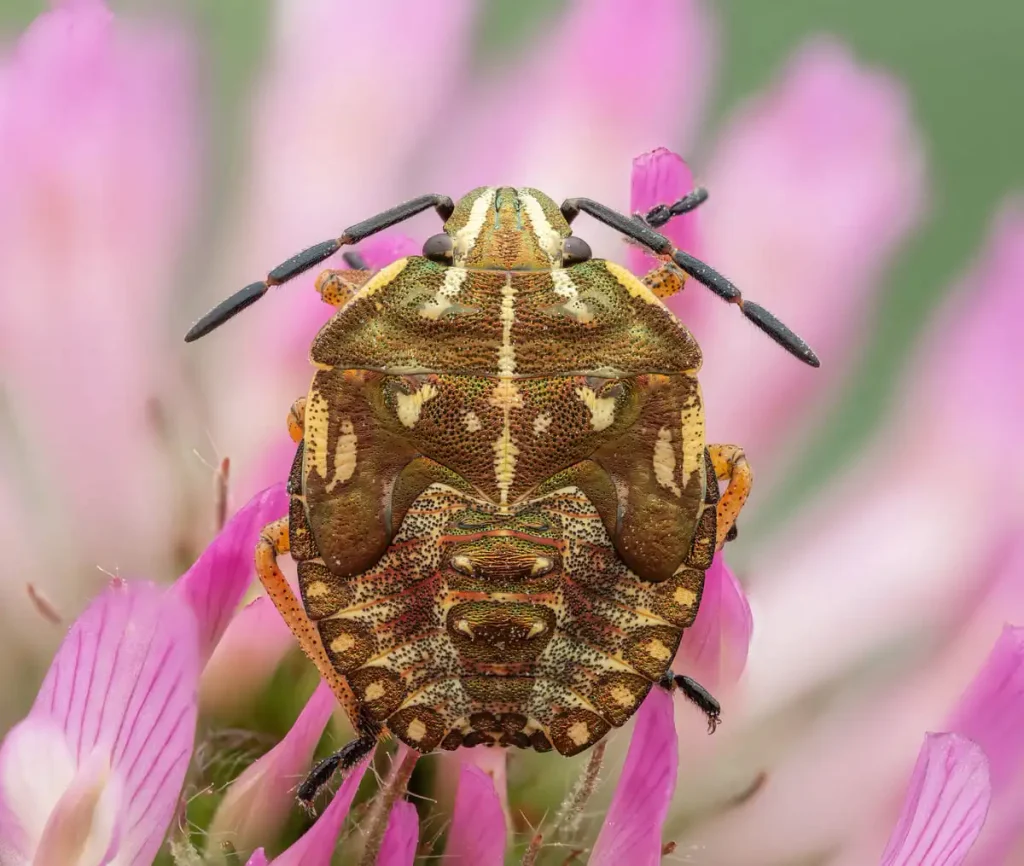
This does not imply that all insects known as stink bugs are inedible. In fact, certain types of insects have been consumed as traditional foods for many years. One of the edible types of stink bug called Encosternum delegorguei is eaten in South Africa, Malawi, and Zimbabwe. There is also ethnobiology research about their consumption in Mexico, India, Laos, and Papua New Guinea. Therefore, the statement that no one eats stink bugs is inaccurate.
It comes down to both species and preparation. Traditional preparation of E. delegorguei involves eliminating their bitter secretion, boiling, drying, and sometimes frying them with salt. This is described by South African National Biodiversity Institute as a special preparation, not as an encouragement to eat unidentified pests from one’s household.
It is pointless to test the brown marmorated stink bug that is lurking around your window frame. The photograph might not be sufficient to help you determine the species, while lack of toxic properties does not necessarily make the insect fit for human consumption. People with seafood allergies need to be extra careful due to potential cross-reactivity. In case you mistakenly ingested the insect, follow the first-aid procedures described above. If you like insect cuisine, get one that is meant for human consumption.
What Is the Purpose of a Stink Bug?
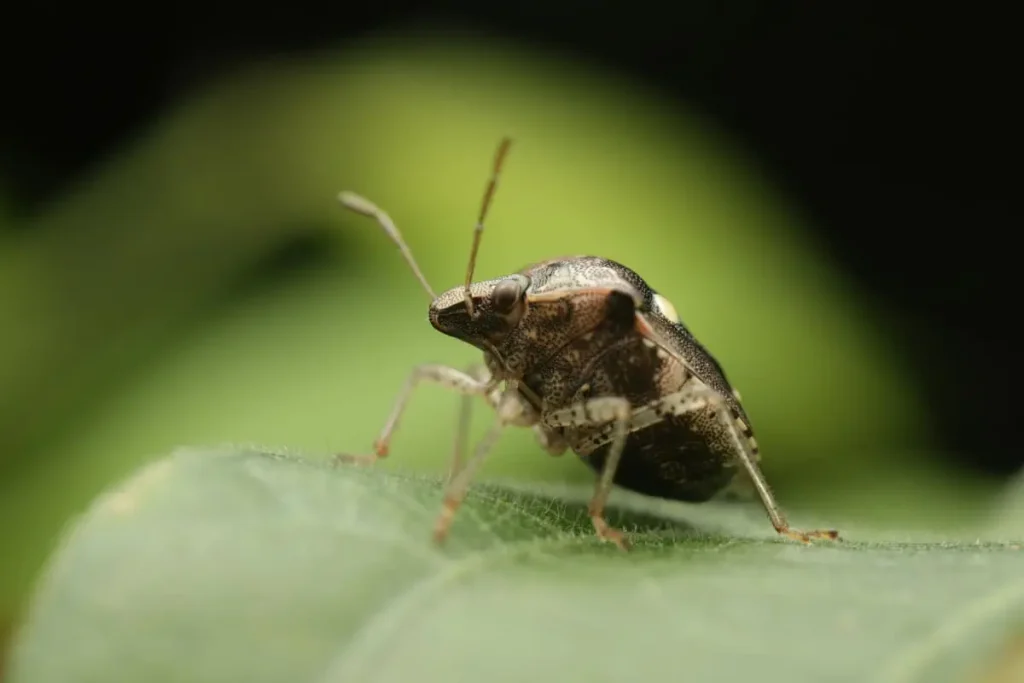
The plain answer to what is the purpose of a stink bug starts with a correction: animals do not receive assigned jobs. They thrive, reproduce, predate other living things, and get predated themselves. Such processes define their ecological niche regardless of the pests’ designation by humans.
There are thousands of different stink bugs. Many of them have piercing mouthparts and suck fluids from leaves, stems, seeds, and fruits. Other stink bugs are predatory. Predatory bugs feed on caterpillars, beetle larvae, and soft-bodied insects, making them beneficial in gardens and crop fields. Plant-eating bugs serve as a prey to spiders, birds, ants, insects, and other animals. Parasitoid wasps parasitize their eggs.
The invasive brown marmorated species even offers one minor benefit. Scientists noticed ants and wasps sucking fluids from the wounds made in trees because of their feeding process. The Entomological Society of America published this information in 2013.
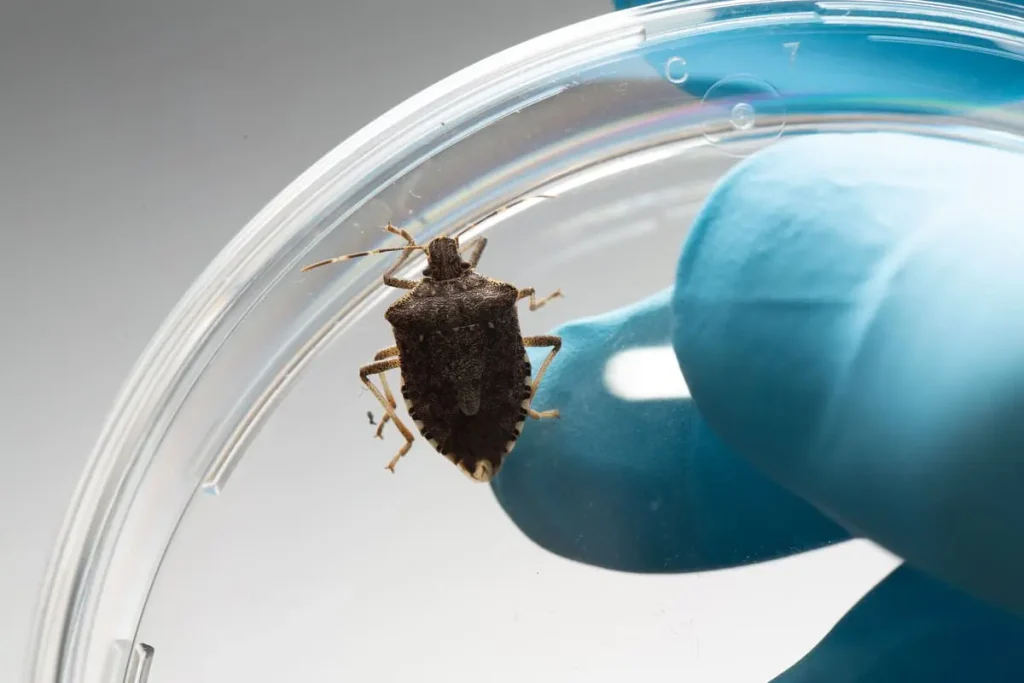
Context is the most crucial element. The brown marmorated stink bug is an Asian native, but it arrived in the US during the 1990s. In North America, the generalist predators like spiders, assassin bugs, and lady beetles prey on them and their eggs but have little effect on their numbers. This poor control together with its wide dietary range results in high populations. The native stink bugs might cause damage to the crops too but the invasive ones are particularly bothersome as they feed on over 170 types of plants and congregate in houses in hundreds or even thousands.
What Does a Stink Bug Do?
To answer what does a stink bug do, watch its mouthparts, wings, and response to danger. A plant-feeding species pushes a slender, needlelike beak into plant tissue and draws out fluid. On fruit, the puncture may leave a dimple, discolored patch, or corky area beneath the skin. Adults and nymphs feed, although only adults have working wings.
Being able to fly allows the bug to follow food sources during different seasons. In this case, it can leave trees and natural vegetation to move to an orchard, garden or farm. The brown marmorated stink bug feeds on a wide range of hosts such as apples, peaches, pears, corn, soybean, pepper and tomato crops. The predatory stink bugs have similar mouthparts but they use it to bite other insects and suck their liquefied tissue.
In order to protect itself when feeling threatened, the bug emits odors from the abdominal glands. The odors are chemical repellents used by the stink bug to defend itself against predators. The crushed bug also emits the same odor causing people to smell worse when swatting the insect indoors.
Fall activity explains why you find the bugs indoors. Brown marmorated bugs look for sheltered locations where they will overwinter in a dormant state. The bugs are able to enter buildings using cracks at the doors, windows, siding, foundation, chimneys and pipes. Once the insect enters inside, it does not eat the building, reproduce or form a colony.
Plug leaks on the outside before the autumn season, if possible. Use a vacuum to get rid of bugs inside or catch them in some container; do not kill them by squashing. According to the U.S. Environmental Protection Agency, a vacuum used for this may retain the smell for a long time.