
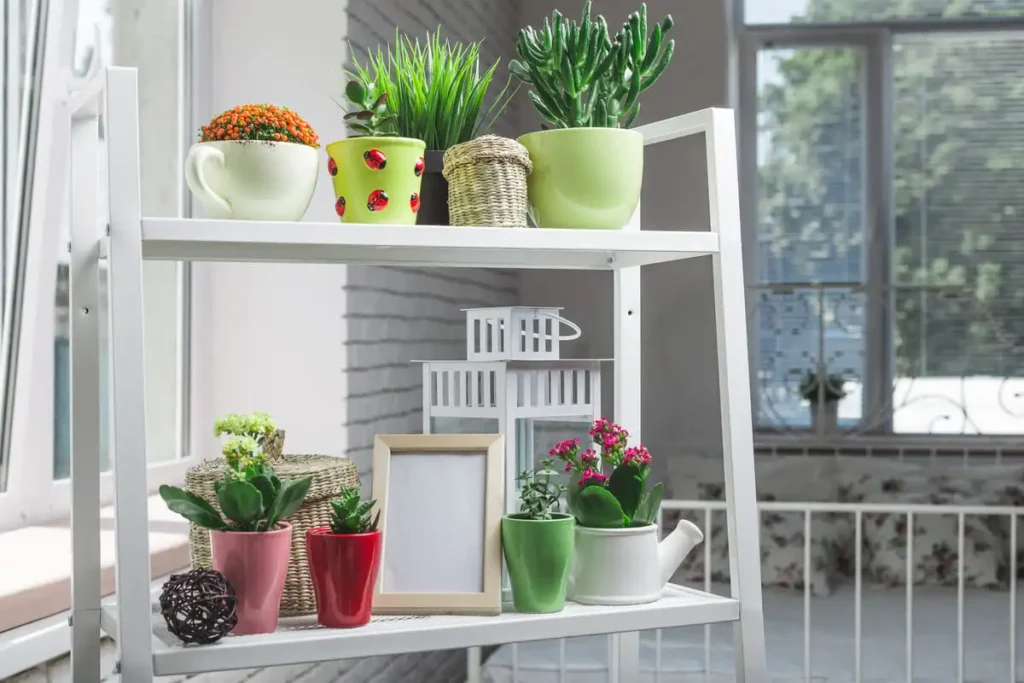
Do calming plants really make you happier mentally? Or is it simply because you have something to occupy your hands with? It is definitely an interesting point to consider, especially for those who have taken part in any kind of plant forum and have come across people holding opposite views. On one side are those who think that it is only the plants themselves which create this positive effect, while on the other side are those who think that it is all about taking care of the plants.
The honest answer would likely be both. There is solid science behind calming plants and the effects that they have on stress and your mood, but there is something to be said about the act of taking care of a plant each day.This guide covers the science in plain terms, the best calming plants for anxiety and stress relief, and how to actually keep them alive without turning a good habit into one more thing you feel behind on.
Do indoor plants actually help with mental health?
Yes, though not in some magic-cure way. A few studies come up again and again for good reason.
University of Exeter researchers followed individuals moving into greener areas, and they noted an increase in the well-being of the subjects which remained stable for at least three years after the change in environment. Not quite your windowsill plant there, but the same principles apply: contact with vegetation does something for our psyche and it lasts.
More locally, the Journal of Physiological Anthropology published a 2015 study that tested subjects who either planted a seedling or completed some basic computer work.The group who planted the plant showed a much lower stress response than the group doing computer work. In other words, the act of planting and touching soil did something which the computer work did not do.
And then we have the famous NASA Clean Air Study, which is perhaps the most quoted study related to plants available online. This study has shown that certain commonly available plants are capable of removing toxins such as benzene, formaldehyde, and trichloroethylene from the air indoors. Clean air doesn’t necessarily lead to calm mind, but it definitely helps!
None of this fully answers the plant-versus-routine question, though. If you spend time reading what people actually say about growing indoor plants for mental health. It seems there is a trend that research fails to accurately account for the fact that plants give a single simple and reliable thing to attend to. You water this one, you watch that one, you see if this leaf is not right. It gives you a low-pressure reason to get out of bed, open the curtains, and let some light in. That might sound small, but on hard days, it isn’t trivial at all. So plants for stress relief aren’t just about scent or air quality. A lot of it is the structure they quietly build into your day.
Best calming plants for anxiety and stress
And here they are, the calming plants that never cease appearing, because they are really not that hard to grow, and all of them have something unique in common: be it their fragrance, air-cleansing abilities, or simple fact that you could leave them unattended for a whole week.
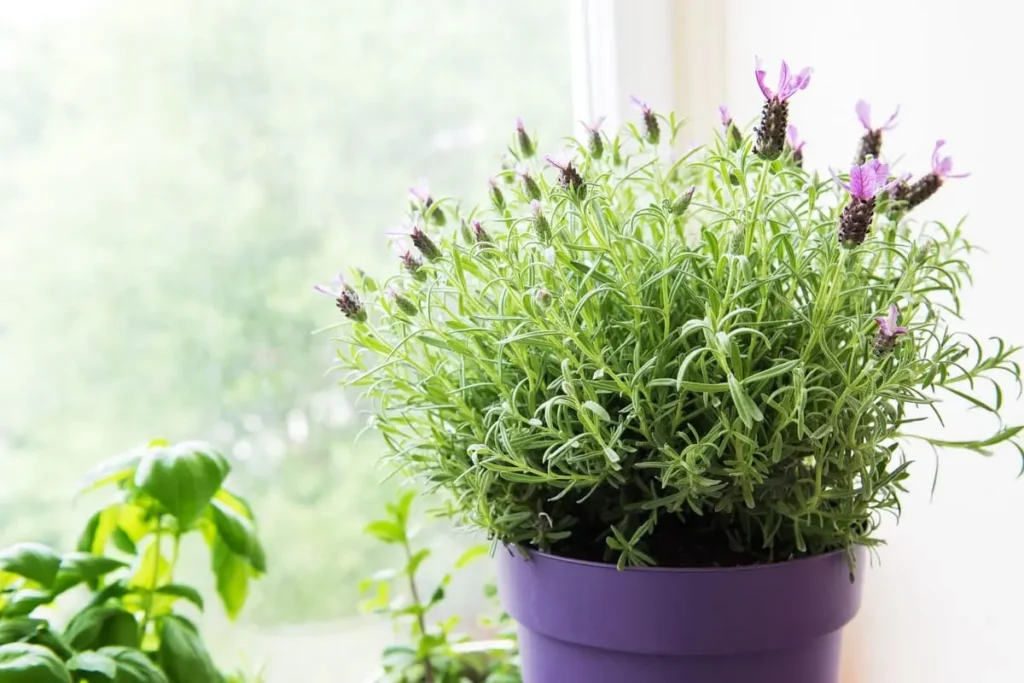
Lavender
But the one plant that’s associated with soothing properties the most, and that should get the most credit for its soothing abilities. Studies have linked lavender’s fragrance to reduced anxiety and improved sleep quality. It is also commonly used in candles, oil and pillow mist just as often as planted in soil. Needs six to eight hours of direct sunlight and well-drained soil.
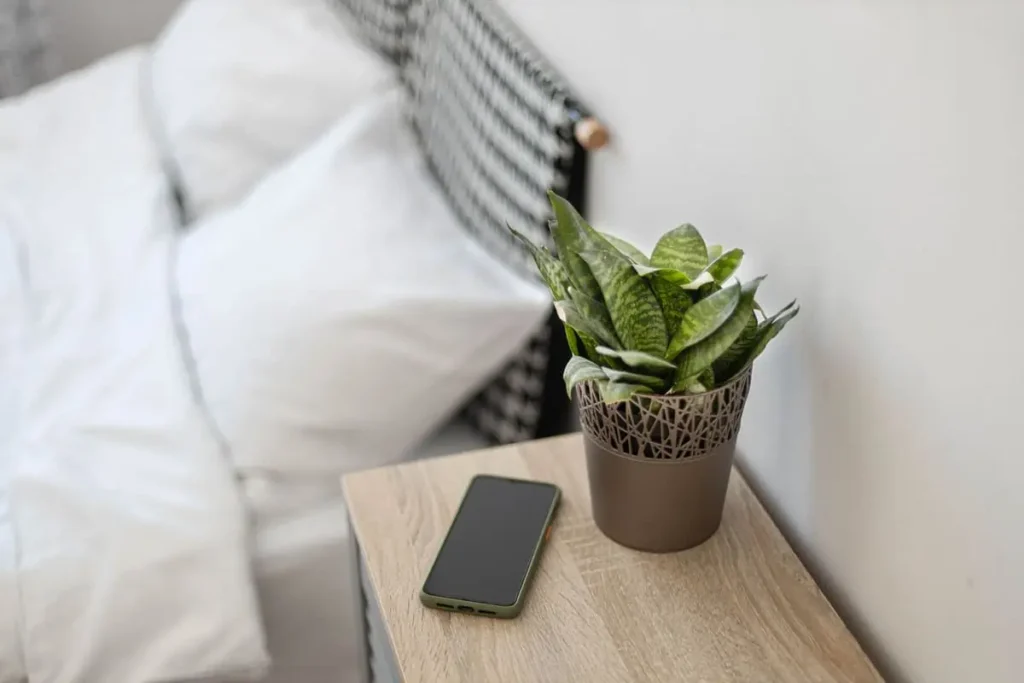
Snake plant
Also known as the plant that is extremely hard to kill. Tolerates poor lighting, infrequent watering and neglect in general better than most other plants on this list. Another interesting characteristic of this plant is that it releases oxygen at night through CAM photosynthesis, making it a popular choice for bedrooms.
Peace lily
Puts out its leaves and droops drastically whenever it needs water and stands upright again soon after being watered, making for a strangely fulfilling experience. A strong air purifier and good fit for medium lighting conditions typical for living rooms.
Aloe vera
Easy to care for and doubles as burn relief from the gel in its leaves. Prefers bright indirect sunlight and dry soil. Great starter plant for anyone worried about having the “black thumb” label.
Spider plant
Extremely forgiving, fast growing, and readily propagated so that you can pass cuttings around once you get going. One of the plants tested by NASA for air purification and fairly easy to grow.
Jasmine
The aroma in particular is associated with reduction of anxiety at night time. So this plant would be ideal for use in your bedroom or your favorite reading nook. Does require bright indirect sunlight and humidity levels, but worth the trouble for the aromatherapy.
Rosemary
Known mostly as a kitchen herb, but it’s also one of the plants for anxiety worth knowing about. Research on rosemary essential oil has found it can lower cortisol, the stress hormone, when people simply smell it. It wants a lot of direct sun and doesn’t mind dry soil.
Jade plant
This is a tough little succulent that lives a long time and usually stays put once it’s in place for several years. Some people may appreciate its stability as a grounding element. Only water it once an inch of soil becomes dry; it tends to develop root rot if overwatered.
English Ivy
This climbing plant is a great air filter that cleanses your environment from formaldehyde. Growing process and its creeping movement will give you a chance to observe it and monitor its development just like in the case of a peace lily that grows, wilts and grows again.
Chamomile
This is probably one of the most popular herbs for making tea, but the actual chamomile plant with its cute white flowers and nice smell of apples is quite soothing. The plant requires sun and well-drained soil, and it is easily grown from seeds.
As for your furry companions, lavender, spider plant, and rosemary are not toxic to them. But snake plants, peace lilies, aloe vera, jade plants, and English ivy are considered to be mildly toxic if chewed upon.
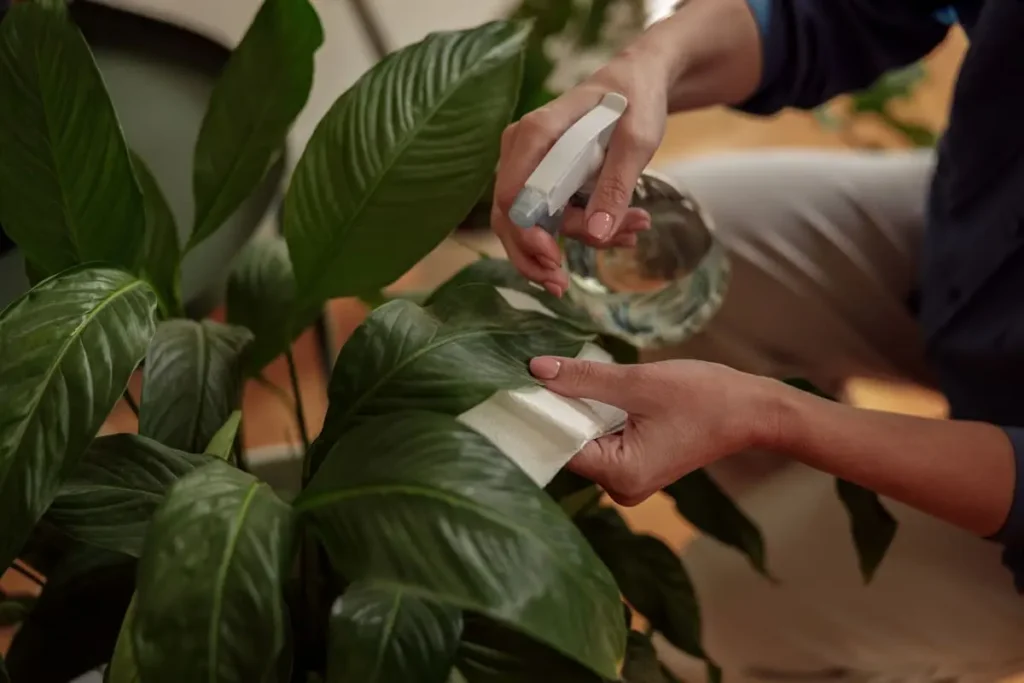
How to care for calming plants without adding stress
The easiest way to turn a good practice into a bad practice is to get yourself ten plants in your first week. You should begin with just one or two plants. Find out how many hours of sunlight your place gets, and how often you will be able to visit your plant.
Overwatering will kill more indoor plants than anything else. The majority of plants listed here would prefer to be ignored for a few days than to be drowned. Feel around in the soil before watering. If it is dry an inch down, proceed; if not, wait.
Eventually, at some point, one of your plants is likely to die. That does not mean that you’re not good at this. People with years of experience growing relaxing plants have lost a few here and there because of the bad batch of dirt or a window that got too little sun than originally expected. Worth mentioning because it hurts a bit more than it should sometimes when it happened after an especially tough period when it made you feel like you were doing something for yourself. Replant or not, do what works best for you, and move on. This whole thing wasn’t about getting an immaculate collection. It was about having a little green living thing that gave you a reason to care about the place where you live.
Where to place calming plants for the best effect
If you need some plants for your bedroom, then snake plant, peace lily, or aloe vera will be suitable. This is because these plants give off oxygen at night, making them somewhat more suitable for a sleeping room.
If you need some fragrant plants for your workspace or home office, then lavender, jasmine, and rosemary will fit perfectly well. This is because these plants have a pleasant aroma, and you will enjoy it while working there.
For a living room or any space you pass through often, the plant matters less than the placement. The mood benefit of relaxing plants comes largely from seeing them regularly, not from just owning them. A beautiful plant tucked in a spare room you rarely enter isn’t doing much for you. Put it somewhere you’ll actually notice it.
Frequently asked questions
Most likely, it is a combination of both which is completely valid grounds to get started. The plant gives some tangible benefits in the form of clean air and nice fragrance. Much of the benefit may come from the routine of caring for the plant itself.
Snake plant or aloe vera. These are both nearly impossible to kill unintentionally, so there’s basically zero room for feeling guilty if you forget to water one or even let it dry out for a week.
No. Even experienced growers kill off their plants occasionally, not only novices. The fact that a plant died doesn’t cancel the positive effects it provided while it was alive.
Start small with one or two plants. Once you fall in love with plants, it’s easy to buy more than necessary at once, and it may turn your soothing hobby into yet another task.
Snake plant, peace lily, and aloe vera are generally considered the best indoor plants for mental health in a bedroom setting, mostly because of their nighttime oxygen release and low care demands.
Yes. When you have too many plants to keep up with, the whole thing can start to feel like a burden rather than a pleasure. It’s fine to scale back. A handful of plants you actually enjoy tending beats a jungle you’re quietly dreading.
The bottom line
The findings confirm what many people who keep plants have always believed; relaxing plants are indeed beneficial in dealing with stress and moods, not only because of the fragrances and the quality of air they provide but also because of the inherent process of nurturing an organism. You don’t have to fill your windowsill with these plants in order to enjoy their effects. You just have to start with one.