
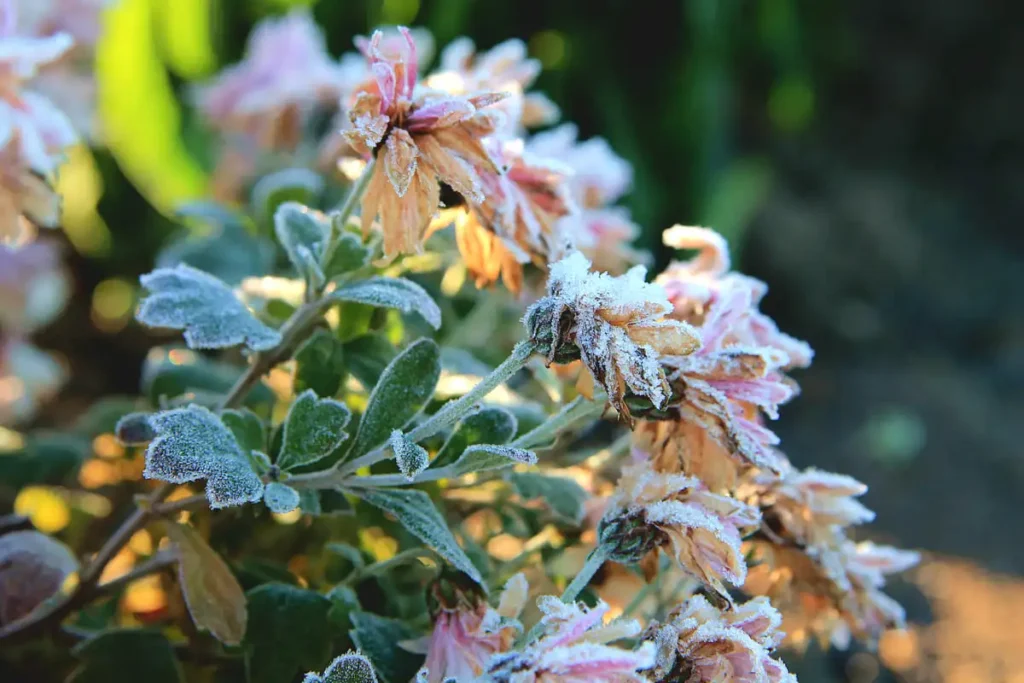
Many plants that thrive in the summer will get damaged or killed by cold winter nights. Most people wait until the last moment, when it’s a bit too late. Bringing potted plants indoors before frost is mandatory when the temperature drops to 45 degrees F, yet tropical plants should be brought in by 45 to 50 degrees F.
When to Bring Plants in: The Temperature Rule
The temperature rule is basically a mix of a few different rules, depending on the temperature and the plants you have.
- 55-60 degrees F. Start acclimating and keep an eye on the forecast when it goes into this range.
- 45-50 degrees F. Tropical plants should be in when the temperature drops to this limit. Ferns, citrus, hibiscus and potted plants must be brought in.
- Below 45 degrees F. All plants should be in before the temperature reaches this limit as damp pot soil cools faster than garden ground.
If you’re not sure what temperature to bring plants inside, keep an eye on local first frost dates, usually in local offices or the Farmer’s Almanack. It gives you a good starting point in terms of temperatures, yet you should still observe the forecast or your own thermometer.
Check for Pests Before They Come Inside
When to bring plants indoors is one thing. Bringing plants indoors for winter safely is another thing. Make sure you don’t bring any pests indoors, as they could spread to other plants. Besides, getting rid of them could be an issue once they settle in to warm, dry home environments where natural predators are absent.
You can use different products, like insecticidal soap or even neem oil. Follow the instructions on the packaging. Rinse with a strong hose once you’re done.
Also, take your plants through a thorough inspection. Look at the leaves, as well as their undersides. Check the top inch of soil in each pot. Aphids, scale, fungus gnats, spider mites or mealybugs should be completely clear prior to crossing your doorway.
If you already have some plants inside, you may want to “quarantine” the new ones coming in for a few days in a different room, just to be safe.
Acclimate Plants, Don’t Just Carry Them in
Bringing potted plants indoors before frost isn’t just a matter of carrying everything inside. Instead, bringing outdoor plants indoors for winter is a transition. Moving from a low temperature to a high one could expose them to shock and damage them.
Start by moving them into your porch first, while the temperature is still safe. Give them a week or two on the porch. It’s warmer, but they’ll also have more shade. Then, you can move them indoors for an easy transition.
During this transition, plants to bring indoors before frost should be checked for yellow leaves. Yellowing is normal though, so don’t panic. Following this transition when overwintering potted plants will reduce the effect of sudden leaf shedding caused by dramatic humidity changes.
Container Matters
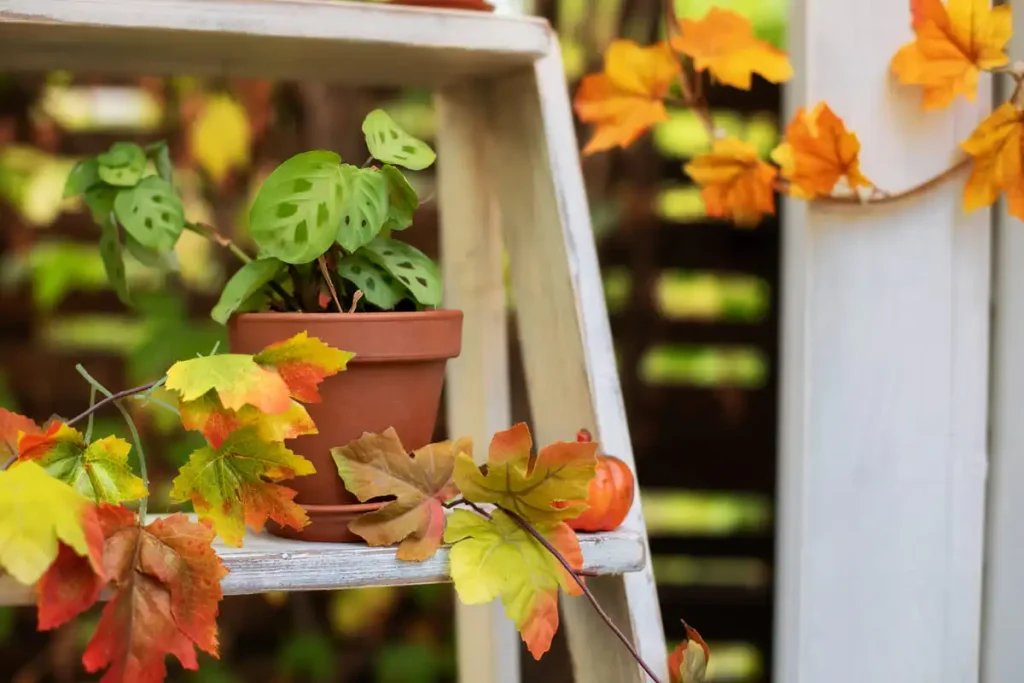
What kind of containers you have is very important when not sure when to bring plants indoors. For example, terracotta tends to crack when exposed to too many freeze-thaw cycles because porous clay absorbs residual moisture. Therefore, terracotta pots should always be brought inside during the wintertime.
Glazed ceramic is more durable, but if water freezes in the drainage hole, it will start cracking from the bottom. While not the most attractive options, resin and plastic tend to last longer. Of course, such materials aren’t very protective of plants, but they’re useful if something has to be out temporarily.
Which Plants Actually Need to Come in
Different plants have different requirements, so it’s important to understand what temperature to bring plants inside and what plants to bring indoors before frost. Got pets or kids at home? Run each plant through our Pet & Child Safe Plant Finder Tool before it comes inside.
- Tropical plants like palms, citrus plants, ficus, alocasia, birds of paradise and other similar ones should go indoors during winter since sustained exposure below 50 degrees F causes leaf drop.
- Subtropical plants like jasmine, poinsettia, bougainvillea or canna are very sensitive to cold too.
- Tender herbs like bay laurel or rosemary can stay out a bit longer, but they can’t handle the frost. Besides, they can grow fairly well indoors too if placed directly on bright, sunny windowsills.
- Soft flowering perennials like geraniums, fuchsias, hibiscus or begonias can’t handle cold either.
Overwintering potted plants requires a bit of upfront education, which you should get while researching soil, light and watering requirements too.
Common Mistakes That Kill Plants After the Move Indoors
Bringing plants indoors for winter must be done softly, with the plants’ needs in mind.
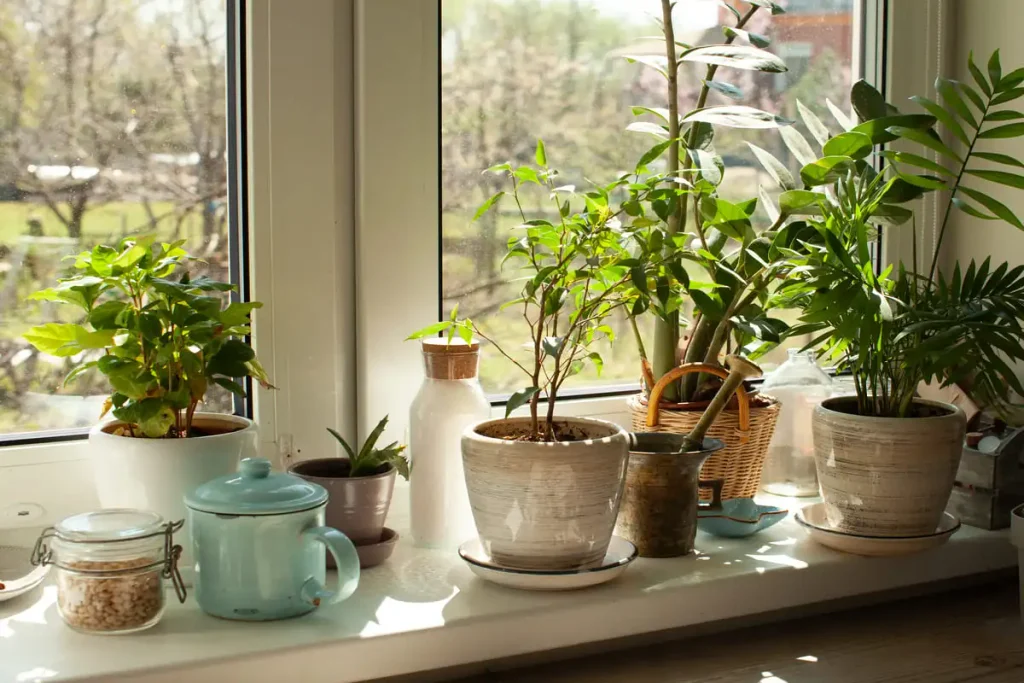
A transitional move is mandatory. Moving them through a big temperature difference could cause stress. Some of your fragile plants may end up suffering. That’s why it’s important to do a transition through your porch or hallway. Otherwise, jumping from 45 degrees F to 75 degrees F could damage them.
Furthermore, knowing how to bring outdoor plants indoors for winter also requires understanding their watering needs. Overwatering is a top issue. Plants grow more slowly indoors, so their watering needs are reduced too. Therefore, they need less water.
Placing plants too close to heating vents is also problematic. They don’t need heat to hit them directly which dries out leaf margins and creates micro-drought conditions around foliage.
FAQs
The necessity of bringing potted plants indoors before frost depends on the plants. Some plants can’t go under 45 to 55 degrees F, such as tropical plants. If the temperature drops below 45 degrees F, all plants that can’t take freezing temperatures should be indoors.
Can I still bring plants in after a light frost already hit them?
Yes, yet they may already be damaged. They’ll recover if their main stems and roots are healthy though. Ideally, you shouldn’t wait until the last moment, but start an early transition over a few weeks, just to avoid stressing your plants.
Do all potted plants need to come inside for winter?
No. Some plants have cold hardiness that beats freezing temperatures. They should be in protective pots that can preserve their roots though. Many plants can’t take such temperatures though, so check upfront against their specific USDA hardiness zones.
Where’s the best spot in the house for them once they’re in?
Bringing potted plants indoors before frost implies finding the best spot too. Go for east-facing windows for foliage plants, while south and west are suitable for succulents and cacti. Snake plants, Chinese evergreens and other plants that prefer cool and indirect light should be by north-facing windows. Plenty of these plants earn their spot indoors too. Check our guide to air purifying plants or pick some calming plants for the bedroom.