
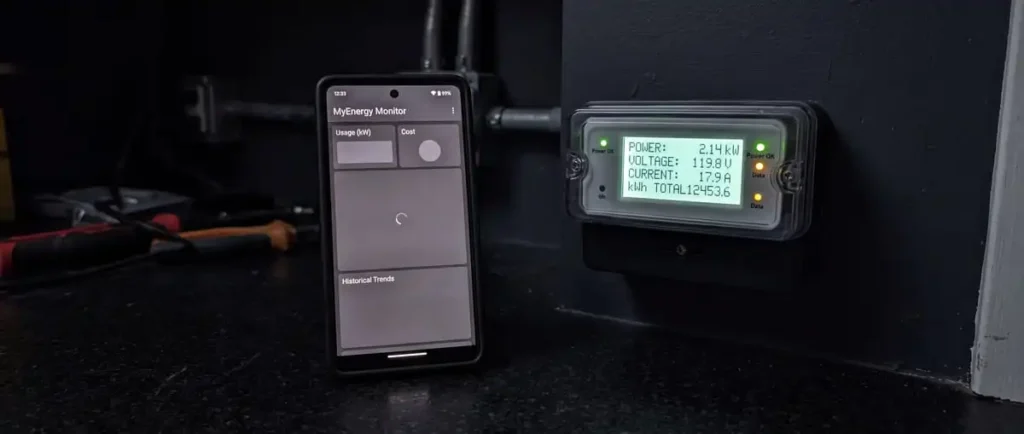
In 2027, the best smart home energy monitor for most houses is the Emporia Vue 3. It clips onto the wires in your breaker panel, displays real-time electricity usage every second and monitors up to 16 circuits for $199.99. If you prefer to keep your data stored locally, choose the Refoss EM16P. The Emporia Vue Utility Connect is ideal for rentals.
Sense, the previous favorite, is not featured because it stopped selling its hardware in December 2025. Listed below are the top five choices you should consider right now.
Our Top Picks at a Glance
| Rank | Product | Type | Price | Best For |
|---|---|---|---|---|
| 1 | Emporia Vue 3 | Panel monitor | $99.99 to $199.99 | Most homeowners |
| 2 | Refoss EM16P | Panel monitor | $199.99 | Home Assistant users |
| 3 | Shelly Pro 3EM-400 | Whole-home meter | $329.99 | Accuracy and solar |
| 4 | Emporia Vue Utility Connect | Smart meter reader | $39.99 | Renters |
| 5 | Kasa EP25 (2-pack) | Smart plug | $29.99 | Single appliances |
The 5 Best Smart Home Energy Monitors, Ranked
Each selection is rated on what it can measure, how hard it is to install, local control and price. Prices shown are US list prices.
1. Emporia Vue 3: Best Smart Home Energy Monitor Overall
Price: $99.99 (mains only), $149.99 (8 circuits), $199.99 (16 circuits)
The Vue 3 is the whole house energy monitor most people should buy. Clamps on the main cables and single circuits cover the entire house, along with the dryer, air conditioner or water heater individually. It has a one-second update interval, making it easier to identify a constantly running garage refrigerator. It is UL listed and accurate to within 2%.
But the issue is that it’s cloud-based unless you flash it with ESPHome firmware. In addition to that, the warranty for the device is only one year.
Pros: Lowest cost per circuit, one-second data collection, easy app
Cons: Cloud-based by default, one-year warranty
2. Refoss EM16P: Best Energy Monitor for Home Assistant
Price: $199.99
The EM16P is the best energy monitor for Home Assistant because it works locally out of the box. You get two 200A main clamps and 16 circuit clamps rated at 60A. A built-in web page, API and MQTT keep your data in the house, and Home Assistant adds it with a native integration. It’s ETL listed and accurate to within 2%.
There’s no Alexa, Google Home or Matter support, so it suits people who already run a hub.
Pros: Fully local, 16 circuit clamps in the box, native Home Assistant support
Cons: No Alexa, Google or Matter
3. Shelly Pro 3EM-400: Most Accurate Whole-Home Meter
Price: $329.99
At 1%, the Shelly is the most accurate whole house energy monitor here. It can connect via Ethernet, Wi-Fi or Bluetooth and operates locally, recording how much energy your home sends back to the grid, which helps if you have solar. You also get a five-year warranty.
It cannot measure individual circuits and uses DIN rail mounting, something most American panels don’t have. That means an electrician will need to install it in a small enclosure next to the panel.
Pros: 1% accuracy, Ethernet connection, local control, long warranty
Cons: Whole-home use only, more difficult to install, highest cost
4. Emporia Vue Utility Connect: Best for Renters
Price: $39.99
No panel and no clamps. The Utility Connect plugs into an outlet, reads your smart meter over Zigbee and shows whole-home use in the Emporia app. For renters, it’s the best smart home energy monitor you can set up without the landlord.
It will only work with select utilities, and some require you to register it online before you can use it. It is best to check Emporia’s list prior to purchase.
Pros: No installation, lowest-cost whole-home option
Cons: Select utilities only, no circuit info
5. Kasa EP25: Best Energy Monitoring Smart Plug
Price: $29.99 for a 2-pack
An energy monitoring smart plug answers one question: what is the operating cost of this gadget? Simply plug in a space heater, dehumidifier or old freezer and get its watts and kWh in the Kasa app. It does not require a hub and can be used with Alexa, Google Home and Apple Home.
It cannot measure hard-wired or 240V appliances such as the oven, dryer and central air conditioning.
Pros: Affordable, no hub required, works with all major voice assistants
Cons: One device at a time, no 240V appliances
What Happened to Sense?
Some other lists still put Sense at number one, but the company stopped selling its hardware in December 2025. All the units you will come across are either old stock or from second-hand sources. Sense also used software to predict which appliance was operating. The Vue 3 puts a clamp on each circuit instead, so if you were shopping for Sense, it’s the best smart home energy monitor to buy in its place.
Best Smart Home Energy Devices Beyond Panel Monitors
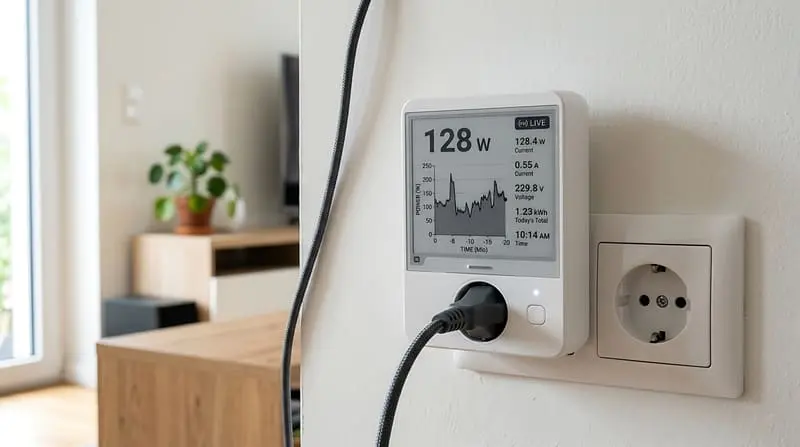
A monitor shows where the power goes. The best smart home energy devices help you use less of it.
- Smart thermostat: ENERGY STAR states that heating and cooling account for nearly half of a home’s annual energy expenses, which amounts to over $900 a year. An ENERGY STAR certified smart thermostat targets this major portion of your yearly energy bill.
- Smart plugs: Monitor window air conditioners and space heaters, and reduce standby power overnight.
- Smart meter readers: Whole-house information without wiring, if your utility supports one.
- Window sensors: Connect one of the best smart home sensors to your thermostat so your heater automatically turns off whenever a window opens.
Are Home Energy Monitors Worth It?

Yes, but only when you act on what it reveals. A monitor does not reduce your electricity bill on its own. Instead, it informs you of the heater that was left on and the actual cost of running the air conditioner, and you do something about it..
For instance, according to the U.S. Energy Information Administration, the average household consumed 865 kWh every month in 2024, with an average electricity bill of about $144. That is an annual cost of about $1,728. If one saves even 5%, the savings would be about $86 a year. That means the $99.99 Vue 3 would pay for itself in just over a year and the 16-circuit kit in about 2.3 years. Your rates and habits will change the math.
For payback, the best smart home energy monitor is the cheapest one that still sees the loads you care about. In a small apartment with gas heat, two plugs may be enough.
Do You Need an Electrician?
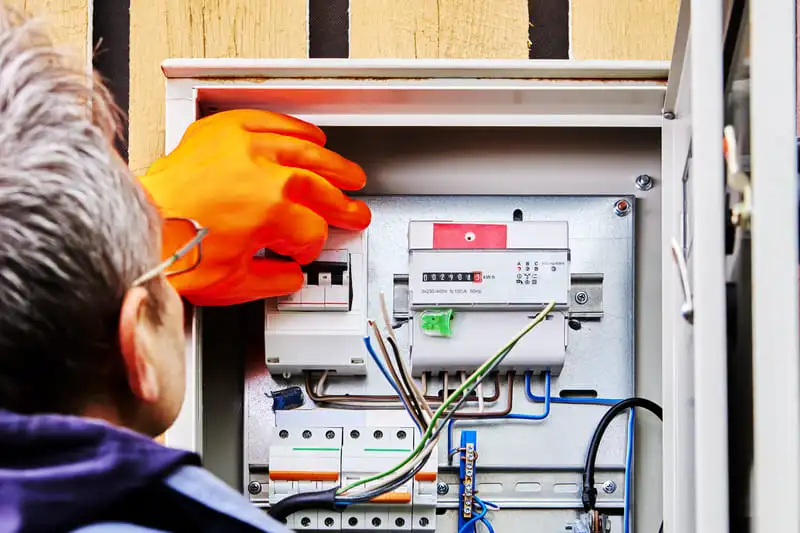
For a panel monitor, we would advise using one. The clamps wrap around the main service wires inside your breaker panel, which stay live even when the main breaker is switched off. Emporia and Refoss sell their kits as DIY installs, but if you have never opened your breaker panel before, please let a licensed electrician do the installation for you. The Shelly unit requires additional work for mounting the enclosure, whereas the Utility Connect and smart plugs require none.
FAQ
There’s no official figure by size. The average US home uses about 865 kWh a month, or roughly 28 kWh a day. A 2,000 sq ft home with central air, electric heat or an EV often uses more, especially in summer and winter.
What Runs Up Your Electric Bill the Most?
In most homes, the first thing is heating and cooling, followed by the water heater and major appliances such as the dryer. But an EV charger can beat them all on charging days. A panel monitor with circuit clamps will help you identify which ones cost the most.
What Is the Best Way to Monitor Energy Consumption?
Start with your utility’s app, which often shows hourly use for free if you have a smart meter. For live data by circuit, the Vue 3 is our best smart home energy monitor pick. Use an energy monitoring smart plug for single devices.
Which Energy Monitor Works Best With Home Assistant?
The Refoss EM16P is the best energy monitor for Home Assistant because it runs locally with a native integration. The Shelly device is also local by nature, while the Vue 3 relies on the cloud unless flashed. Can’t decide on a hub? Check out our guide to the best smart home hub.
What Are the Best Energy-Saving Devices?
The best smart home energy devices for saving money are a smart thermostat, a few plugs on heaters or dehumidifiers and a panel monitor to find the waste.
Which Energy Monitor Should You Buy?
For most homeowners, the Emporia Vue 3 with 8 or 16 circuits is the best smart home energy monitor for the price. Pick the Refoss EM16P if you run Home Assistant, or the Shelly Pro 3EM-400 for the most accurate whole-home reading. Renters should try the Utility Connect plus a pair of EP25 plugs.
Once the data comes in, put it to work with smart home automation, like running the dishwasher after peak hours.