
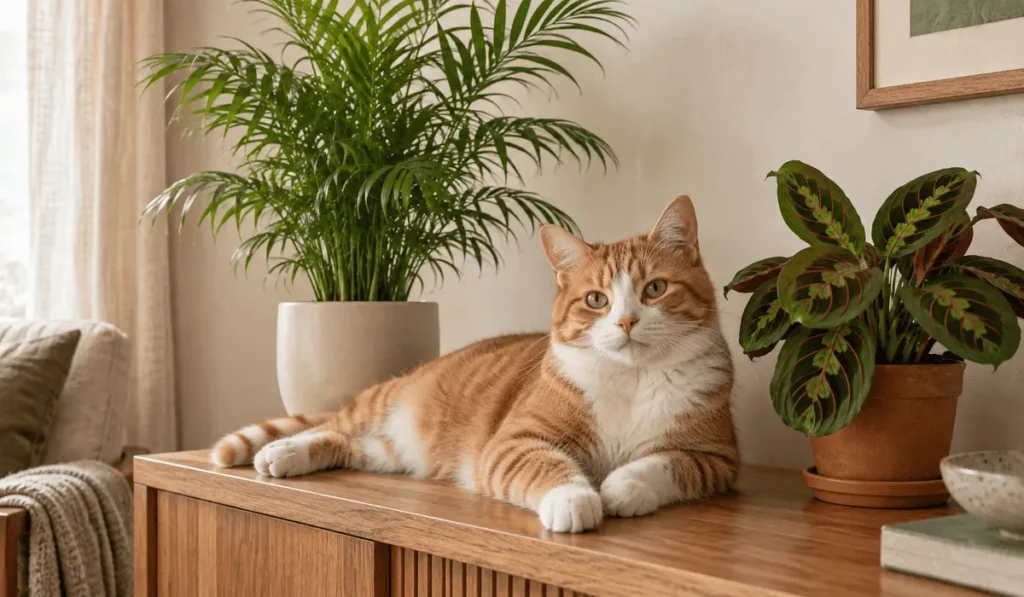
You have a dim hallway or bedroom that could use a plant. You also have a cat who chews leaves, or a dog that investigates every new pot. This guide focuses on low light indoor plants safe for cats and dogs that can cope with an actually dim room. Some low light indoor plants simply need less sun than a sun-loving species. Some of the most recommended low-light plants, though, are actually toxic to pets. These include pothos, snake plants, ZZ plants, and peace lilies. Now you will learn which ones you can choose from and how to care for them, plus what to do if your pet bites one of them.
The Popular “Best Low Light Plants” That Are Actually Toxic to Pets
Pothos, snake plant, ZZ plant, philodendron, dracaena, rubber plant and peace lily are toxic to cats and dogs, despite appearing on most lists of the best low light indoor plants. The likely reaction depends on the plant and how much your pet eats.
Pothos, philodendrons, ZZ plants and peace lilies have calcium oxalate crystals that can irritate the mouth if chewed. Excessive drooling, mouth irritation, vomiting and difficulty swallowing can occur. Snake plants and dracaena plants have saponins, and they often result in stomach problems. The sap of the rubber tree plant (Ficus elastica) causes irritation in the skin, mouth and stomach.
The peace lily deserves special mention for cat owners, as it is not a true lily belonging to either the genera of Hemerocallis and Lilium that can cause kidney failure and death in cats. The peace lily usually results in mouth and stomach irritation. Do not keep both kinds near your pet.
The common name of houseplants is also a potential pitfall. While “rubber plant” means the poisonous Ficus elastica, “baby rubber plant” means Peperomia obtusifolia, which the ASPCA deems nontoxic.
If you came here from Best Indoor Plants for Low Light Rooms or Tall Indoor Plants for Low Light Corners, replace the toxic picks before using those lists in a pet-friendly room. Neither article was written specifically for readers looking for low-light indoor plants safe for cats and dogs. Check the nursery label against the ASPCA plant database, using the botanical name whenever possible.
Best Low Light Plants That Are Actually Safe for Cats and Dogs
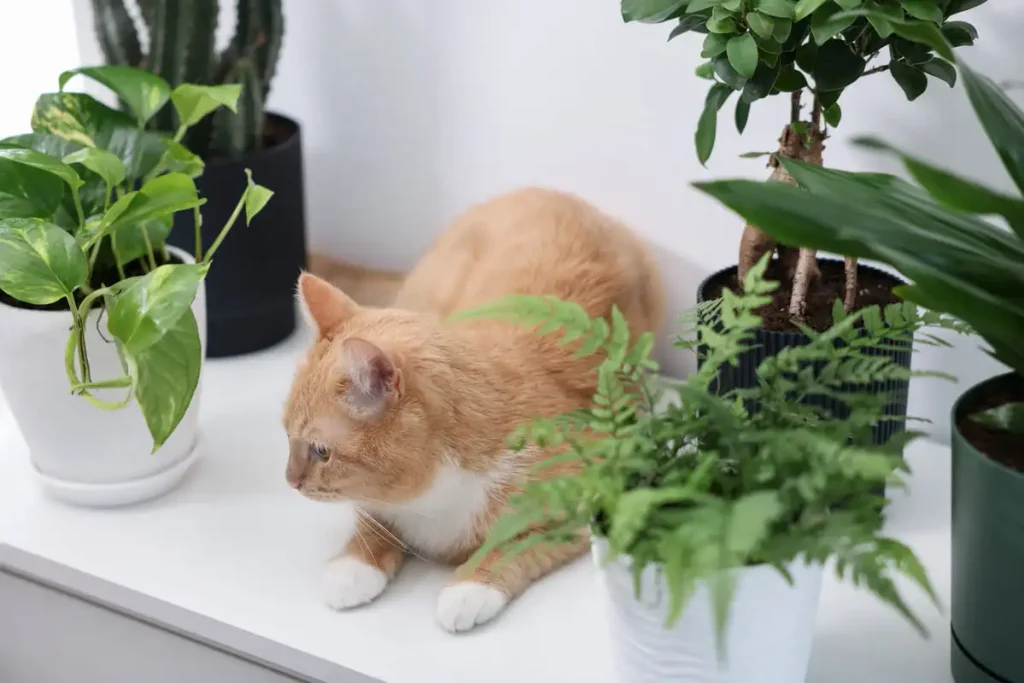
The best low light indoor plants safe for cats and dogs are parlor palms, Boston ferns, prayer plants, calatheas, bird’s nest ferns, peperomias, Chinese money plants and polka dot plants. This order runs from the strongest shade performers to plants that prefer a little more light.
Every plant on this list needs usable light. A spot well away from a window may count as low light; a room that stays dark all day needs a grow light.
Not sure if a plant you already own, or one you’re eyeing at the nursery, is safe? Search it in our Pet & Child Safe Plant Finder Tool to check its room fit and toxicity status in seconds.
1. Parlor Palm or Bamboo Palm (Chamaedorea spp.)
Parlor palms are fine sitting back far from a window without dying off quickly. It grows slowly, which is good for indoors. The Chamaedorea elegans is the usual parlor palm, but sometimes “bamboo palm” could be some other Chamaedorea.
Lighting: Medium or low indirect light. Don’t expose it to bright sunlight.
Water: Water when the first inch of soil is dry.
2. Boston Fern (Nephrolepis exaltata ‘Bostoniensis’)
Boston fern does not require sunlight but is safe for pets such as cats and dogs. However, it will still need daylight or artificial lights to thrive. Any lack of moisture due to dry air will appear through dry and brown leaves.
Light: Partial shade.
Water: It should be consistently wet but should not become waterlogged.
3. Prayer Plant (Maranta leuconeura)
The prayer plant should be placed on a shelf a few feet away from a sunny window. Shade will cause the color patterns on the leaves to be fainter, whereas sunlight will either burn or bleach the plant.
Light: Low to medium indirect light.
Water: The soil should be kept barely moist.
4. Calathea (Goeppertia spp., commonly sold as Calathea)
The Calathea plant is pet-friendly both for cats and dogs and requires indirect lighting conditions. Dry air, erratic irrigation practices, and water that contains minerals could cause curled or browned edges of the leaves. Direct sunlight could damage the plant’s leaves.
Lighting: Indirect lighting ranging from low to bright, depending on the type of calathea plant.
Water: The soil needs to be constantly moist.
5. Bird’s Nest Fern (Asplenium nidus)
The Bird’s Nest Fern is characterized by wide, wavy fronds that prefer medium-low indirect light. New growth appears slower in a shady spot. Do not place in drafty areas and near radiators.
Light requirement: Medium-low to medium indirect light.
Watering: Water at the soil level and avoid watering the central crown.
6. Peperomia (Peperomia spp.)
There is a wide variety of peperomias regarding leaf shape and color. Examples of non-toxic varieties include ripple peperomia and baby rubber plant. Peperomias grown in deep shade can be spindly or less variegated.
Light: Partial to bright indirect light. Plants grow best in medium indirect light.
Water: Wait for the top half of the soil to dry. The thick leaves hold water and the plant is prone to root rot.
7. Chinese Money Plant (Pilea peperomioides)
Chinese money plants are not known to be toxic and adjust to lower light. They have stems that grow long and leaves that will face towards the nearest window in a corner where there is no light. The pot should be turned every week or two.
Light: Low to bright indirect light. The plant will grow fuller with medium indirect light.
Water: When the top one or two inches of soil feels dry, the plant should be watered.
8. Polka Dot Plant (Hypoestes phyllostachya)
The polka dot plant is not known to be toxic to cats and dogs, but it does need brighter light compared to the other plants on this list. It grows under medium indirect light to partial shade; its colored patterns lose intensity under darker conditions. Pale leaves and weak stems indicate that it is time to place the plant closer to the light source.
Light: Medium indirect light to partial shade.
Water: The soil should be kept slightly moist. Water when the surface layer dries out.
What to Do If Your Pet Eats a Toxic Plant
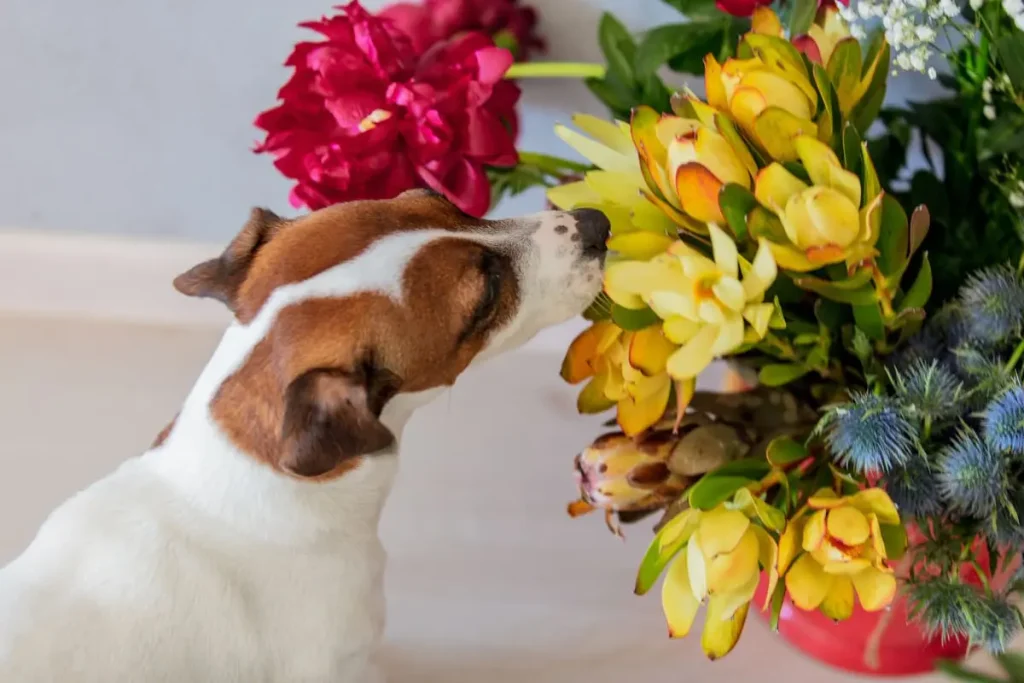
Call the ASPCA Animal Poison Control Center at (888) 426-4435 or the Pet Poison Helpline at (855) 764-7661 as soon as you know or suspect that your pet ate a toxic or unidentified plant. Both services may charge a consultation fee.
Move the plant away and check that your pet is breathing normally. You should never try to induce vomiting or give a home remedy unless the veterinarian or a poison control professional tells you to do so.
Keep the packaging and take a picture of the leaves and stem of the plant. You may also take a sample to the veterinarian. Take note of what part of the plant your pet bit off, the time, and approximately how much.
Be alert for signs like drooling, vomiting, lethargy, swelling, and difficulty swallowing. Difficulty breathing, collapse, or seizure is a case for emergency veterinarian immediately. Contact them before the onset of any symptoms.
Can Pet-Safe Plants Still Make My Pet Sick?
Yes. A pet-safe plant can still cause stomach upset or choking when a cat or dog eats enough of it. The label only describes the expected poisoning risk; the leaves are still unsuitable as pet food.
The pot may introduce other hazards. Potting mix can contain fertilizer, damp soil may grow mold, and decorative stones can become choking hazards. Place even cat safe house plants beyond grazing distance.
A hanging planter or closed plant cabinet may work for a cat. Large floor plants need a heavy pot that a dog cannot tip over. Move a repeatedly chewed plant behind a closed door. Even with genuinely low light indoor plants safe for cats and dogs, placement still matters more than the label.
FAQ
No. Pothos, snake plants, ZZ plants and philodendrons are toxic to cats and dogs. Chewing their leaves or stems can cause digestive upset or painful mouth irritation.
Are calathea, peperomia and prayer plants safe for pets?
Yes. Calatheas, peperomias and prayer plants are classified as non-toxic to cats and dogs. Check the botanical name because retailers sometimes use one common name for unrelated plants, including unfamiliar varieties sold as cat safe house plants.
What is the best genuinely low-light plant that is also pet-safe?
The parlor palm is the best all-around choice for a genuinely dim room. Try a Boston fern if you can keep its soil moist and provide enough humidity. Both accept weak indirect daylight and no direct sun. Add a grow light in a windowless room.
Do pet-safe plants need different care than toxic low-light plants?
No. The same low-light care rules apply. Growth slows in a dim room, so the soil stays wet longer. Check it before watering and use a pot with drainage holes.
What should I do if my cat or dog eats a plant I am not sure about?
Call the ASPCA Animal Poison Control Center, Pet Poison Helpline or your veterinarian immediately. Photograph the plant and label it, estimate how much was eaten and note the time. Do not induce vomiting unless a veterinary professional instructs you.