
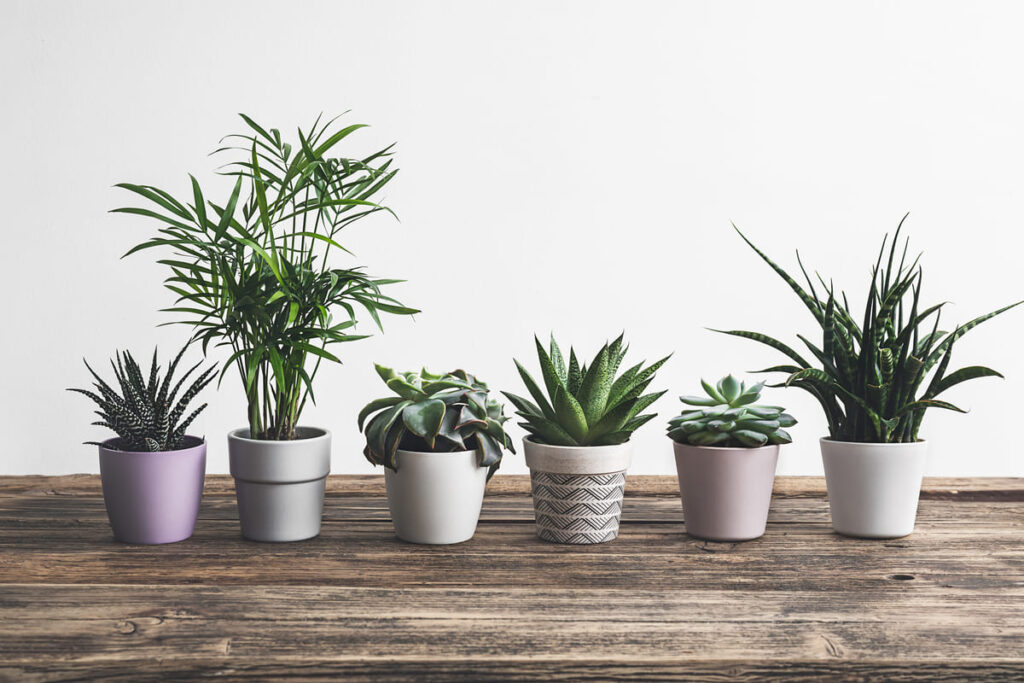
Faux flowers represent a trend these days for homeowners and interior designers alike. They come in all shapes and sizes, able to replicate pretty much any plant, including plants that you can’t grow yourself because of the climate in your specific region. You can have an exotic garden, as well as a garden that looks extremely natural.
Faux flowers go indoors, as well as outdoors. But what are faux flowers after all? Here’s everything you need to know.
So, What Are Faux Flowers?
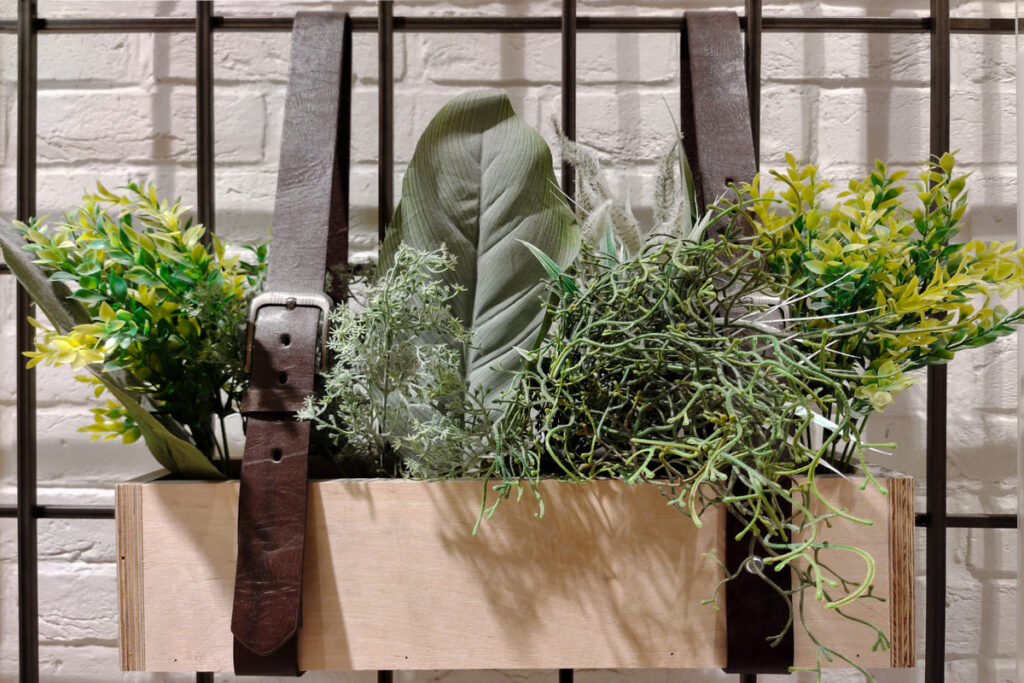
Faux flowers are basically artificial plants and blooms. They’re more popular these days because they can actually look real, even better than real plants. Decades ago, anyone could tell the difference between real and faux flowers due to their appearance. These days, if you go for quality faux flowers, it’s nearly impossible to spot the difference at first glance.
Faux flowers for home decor imitate natural flowers and make excellent decorations. They’re crafted from different materials, such as polyurethane, latex or polyester, among others. The idea is to make them look perfectly natural.
In other words, everything from the colors and build to the brightness and shape mimics natural flowers.
Why Go for Faux Flowers
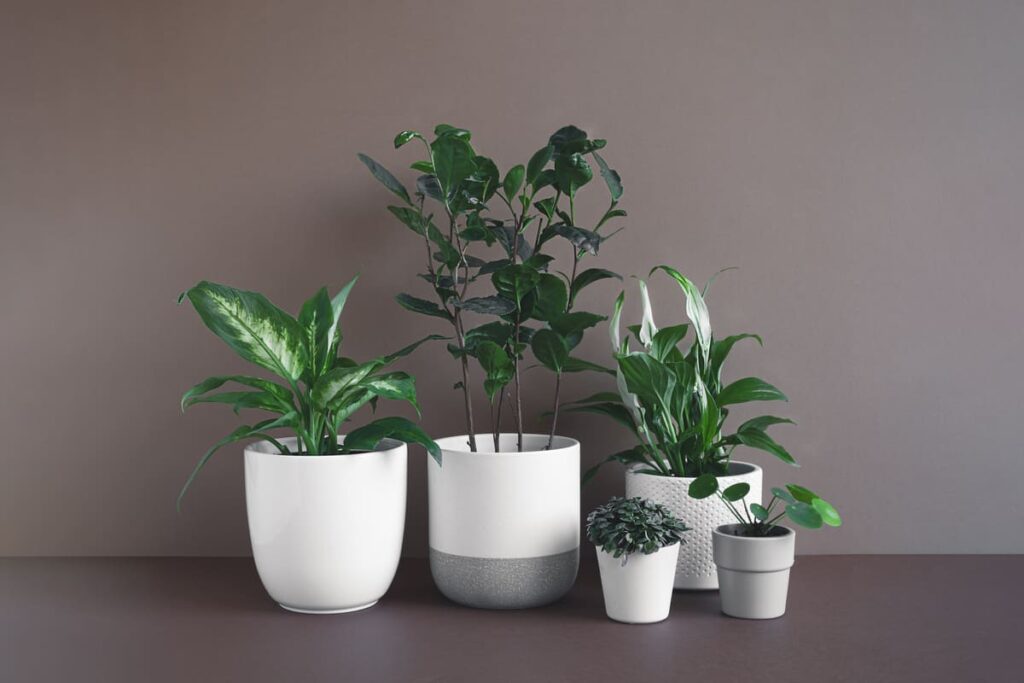
Now, what are faux flowers so popular for? First, you can have them anywhere. You don’t have to worry about the climate or any maintenance. Sure, you could dust them sometimes, but there’s no need to water them, change the soil, prune them and so on to look after them.
They’re also suitable for those who struggle with hay fever and other similar allergies. The same goes for households with pets. Some natural flowers could be toxic to them, but faux flowers are usually alright and completely safe around your pets. They don’t carry any pollen, let alone their fragrances.
In the long run, faux flowers can save you money, but they also provide year-round availability. They can be displayed at any random time, even during winter. You won’t have to worry about seasonal limitations or the weather.
Some of the best faux flowers out there feature bendable wires too, so they can be reshaped into different displays whenever you want to refresh your decorations. Besides, given their versatility, they can be shaped to match any space or specific vase size.
Last, but not least, you can forget about toxins, pollen stains everywhere, chemical pesticides and the mess associated with looking after natural plants on a daily basis.
Where to Use Faux Flowers
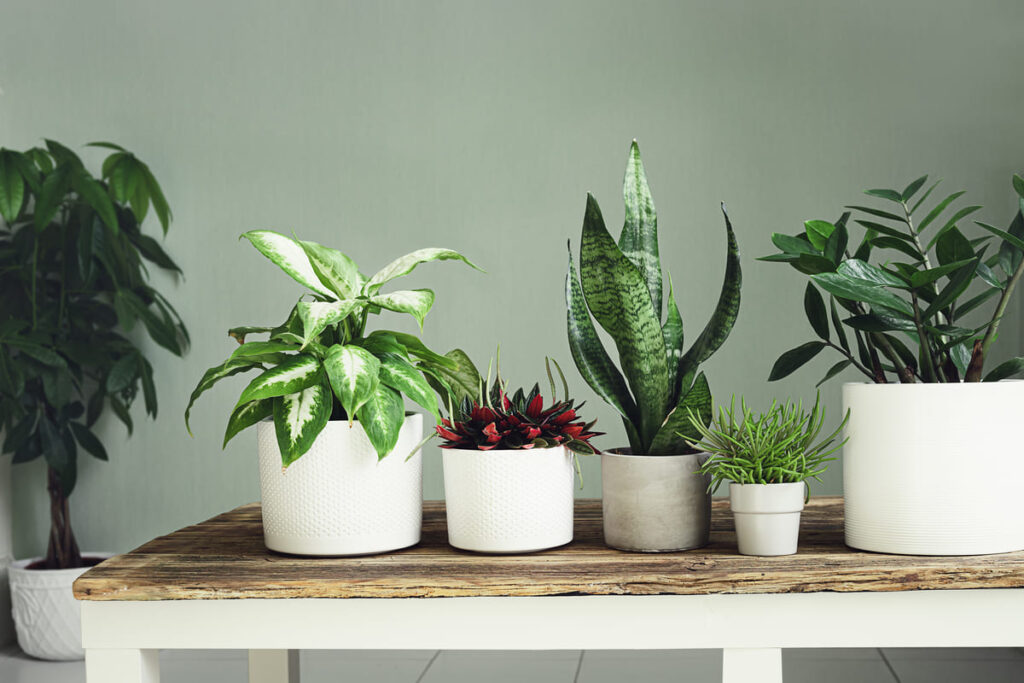
What are faux flowers useful for? First, they can go anywhere. They make excellent options for home interior styling. You can place them on dining tables or kitchen islands, but also in empty corners of each room. They go well in areas that don’t get too much natural light either, since they don’t need it to thrive.
Seasonal decorations are just as handy, as you can swap out arrangements for all kinds of pastels and colors. You can also combine them, such as faux stems, with natural greenery. Everything works when you use faux flowers and your creativity.
Faux flowers also go outdoors. They can enhance planters if placed in hanging baskets. They can go in outdoor window boxes too. Again, there’s nothing to worry about in terms of drainage or watering. Since they can go outdoors too, they’re also suitable for enhancing lobbies, receptions or even restaurants.
Faux flowers are suitable for bridal parties and other similar events, like weddings. You have the freedom to design your own floral arch or maybe some table centerpieces months in advance. They’re just as handy for photo backdrops, let alone keepsakes for your guests to take home after the celebration.
And if you’re into DIY projects, you’ll love how versatile they are. You can create welcoming elements or door displays, but you can also customize them or even use them to pack gifts with a unique touch.
How to Buy Faux Flowers
Here are a few things to look for when you’re not sure how to buy faux flowers.
- Material and texture. Look for plants that feel and look real such as “real-touch” latex options.
- Colors. Real flowers don’t have one solid color, but gradual tones.
- Stem flexibility. Internal wires give you some flexibility in arrangements so you can mimic natural growth curves.
- Foliage. Inspect the joins, veins and leaves to ensure they don’t look overly plastic.
- Mix. Purchase different stems to create your own design, rather than pre-made stuff that might look repetitive.
Bottom line, what are faux flowers? While they’re basically fake or artificial flowers, technology has evolved so much lately that they’re almost impossible to distinguish from natural plants, offering more flexibility, freedom and versatility than their natural alternatives for long lasting beauty.